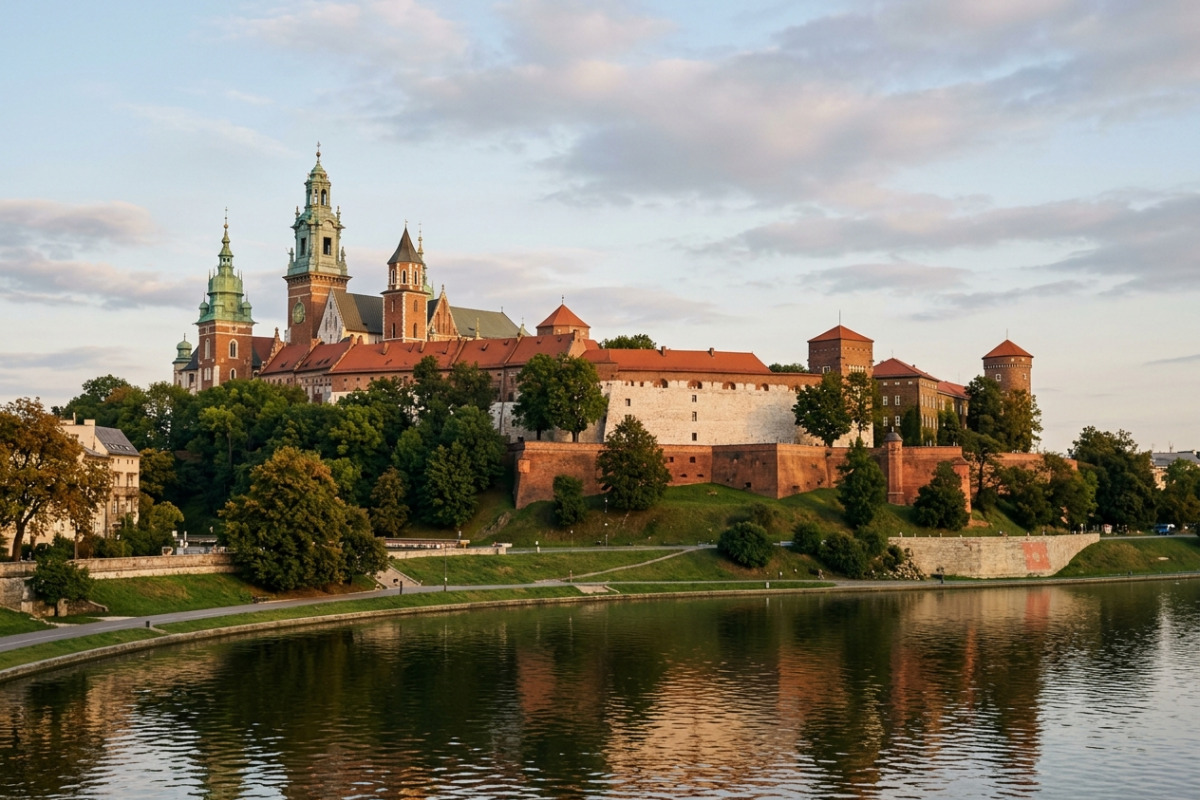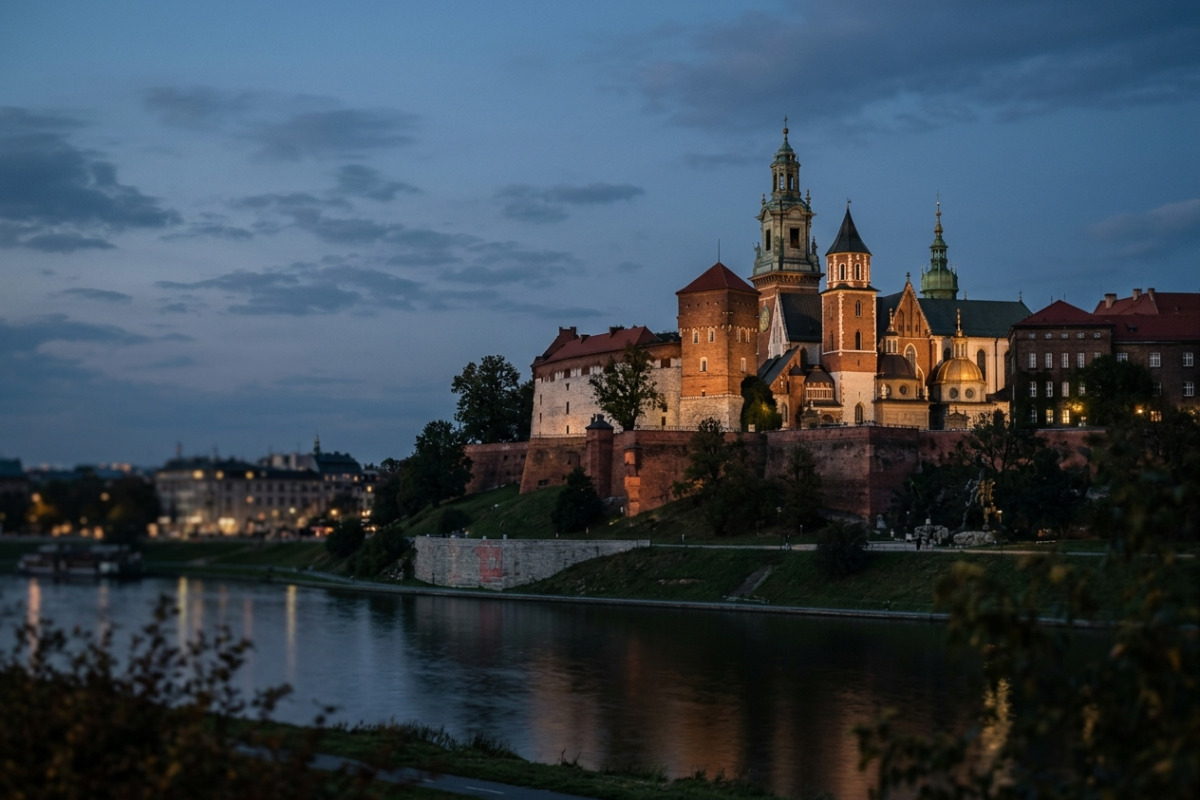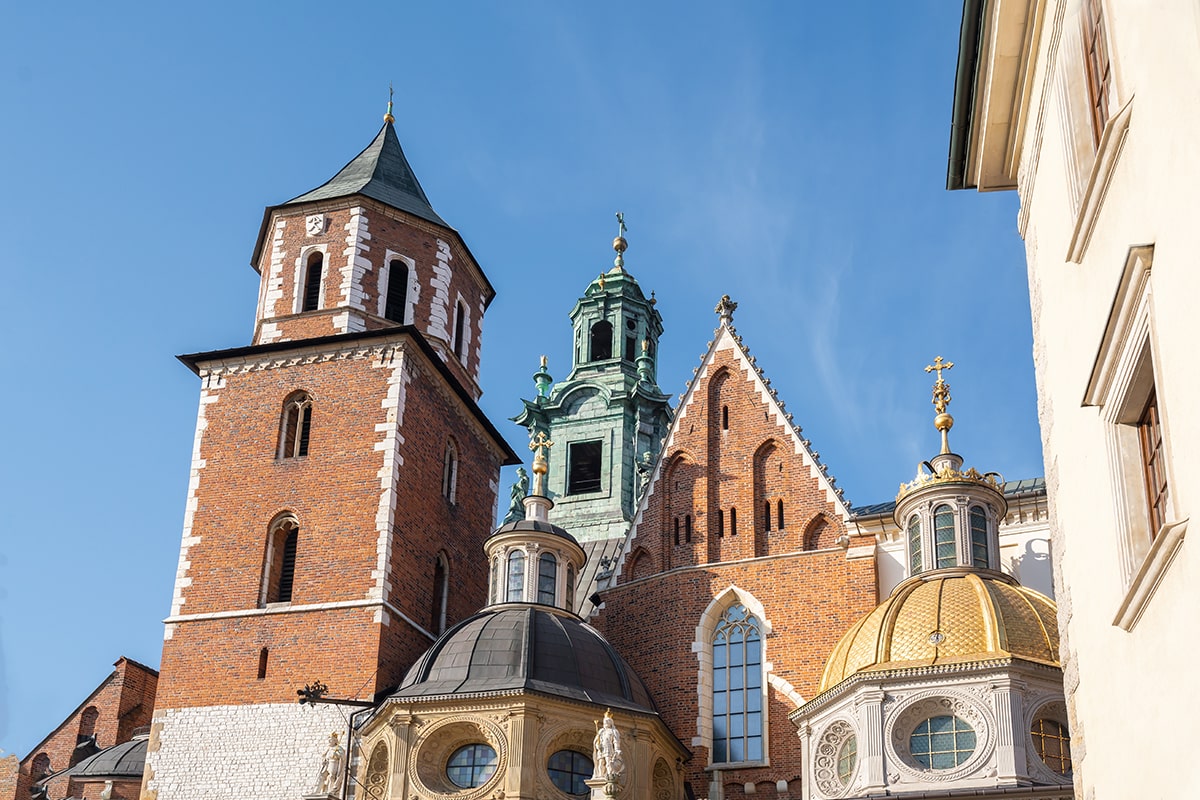
Hanging high in the tower of Wawel Cathedral, the Sigismund Bell (Dzwon Zygmunta) is one of Poland’s greatest national treasures. Cast in 1520 during the reign of King Sigismund I the Old, this monumental bell has rung for centuries on the nation’s most important occasions. Its deep, solemn sound continues to symbolize moments of triumph, mourning, and remembrance uniting Poles across generations.
The Creation of the Sigismund Bell
The bell was commissioned by King Sigismund I the Old and crafted by Hans Behem, a renowned bell founder from Nuremberg. Completed in 1520, it weighs nearly 13 tons and measures over two meters in height. It was installed in the cathedral’s Sigismund Tower, which was specially reinforced to support its immense weight. The bell’s decorative reliefs depict the king, saints, and royal emblems, making it both a masterpiece of Gothic artistry and an enduring national monument.
Sound and Ceremony
The Sigismund Bell is not rung daily but reserved for Poland’s most solemn and celebratory moments. Its powerful tone can be heard across Krakow on national holidays, major church feasts, and historic anniversaries. Traditionally, twelve bell ringers manually pull thick ropes to swing the bell, a practice that has remained unchanged for centuries.
Moments When the Bell Rings
The bell’s voice has marked coronations, funerals of national heroes, papal visits, and milestones in Poland’s history. It tolled after the death of Pope John Paul II, during Poland’s independence celebrations, and in times of national mourning. Its sound, rich and resonant, is said to carry the emotions of an entire nation.
Symbolism and Meaning
Beyond its craftsmanship, the Sigismund Bell embodies the spirit of Poland. It represents faith, endurance, and unity a reminder that even in times of division or hardship, the nation’s heart continues to beat. For many Poles, hearing the bell’s toll is a deeply emotional experience, connecting them with their history and identity.
Visiting the Bell Tower
Visitors can climb the Sigismund Tower at Wawel Cathedral to see the bell up close. Standing beside it, you can appreciate the scale of the casting, the intricate inscriptions, and the wooden beams that have supported it for centuries. The panoramic view from the tower offers one of Krakow’s most breathtaking perspectives.
Legacy of a National Voice
More than just a historical artifact, the Sigismund Bell remains a living symbol of Polish heritage. Its echo has witnessed wars, peace, and rebirth each toll resonating with hope and memory. As it continues to ring across Krakow, it reminds every listener of the enduring strength of Poland’s spirit.
The next time you hear the mighty tone of the Sigismund Bell, remember that it is not merely a sound but it is the heartbeat of a nation, echoing from the towers of Wawel into the soul of Poland.