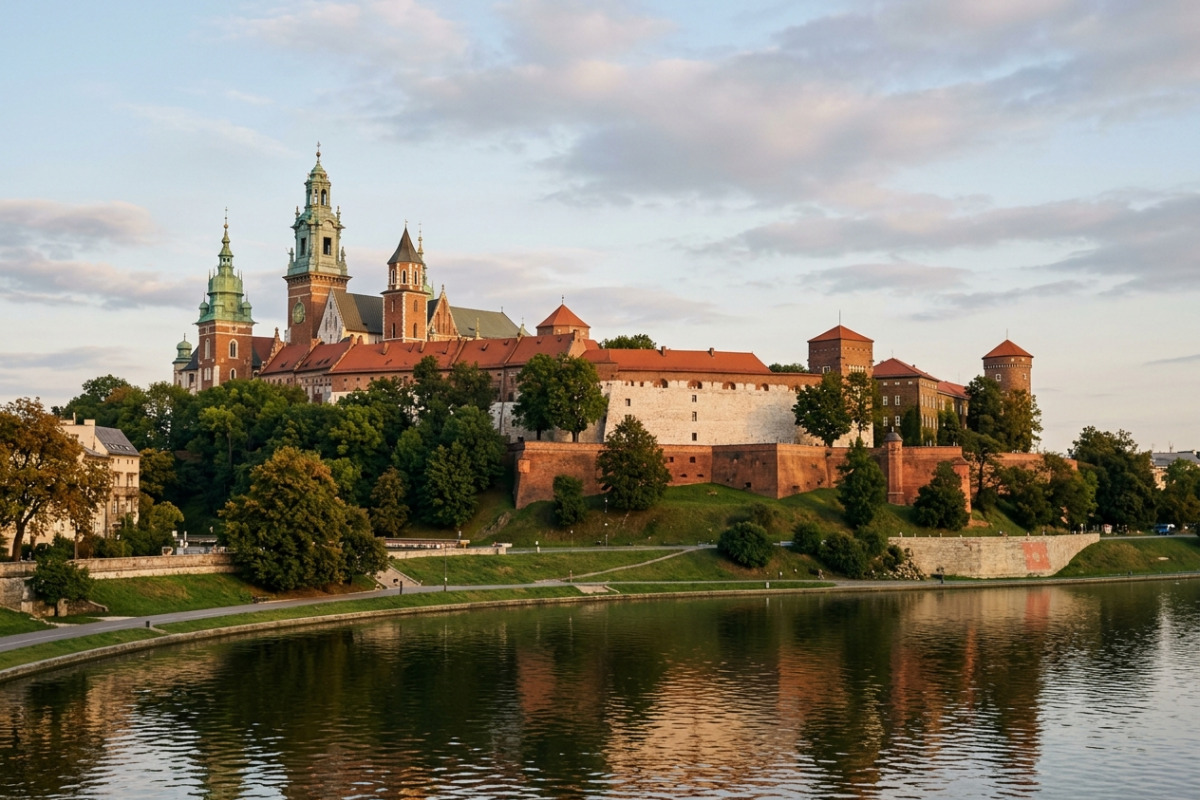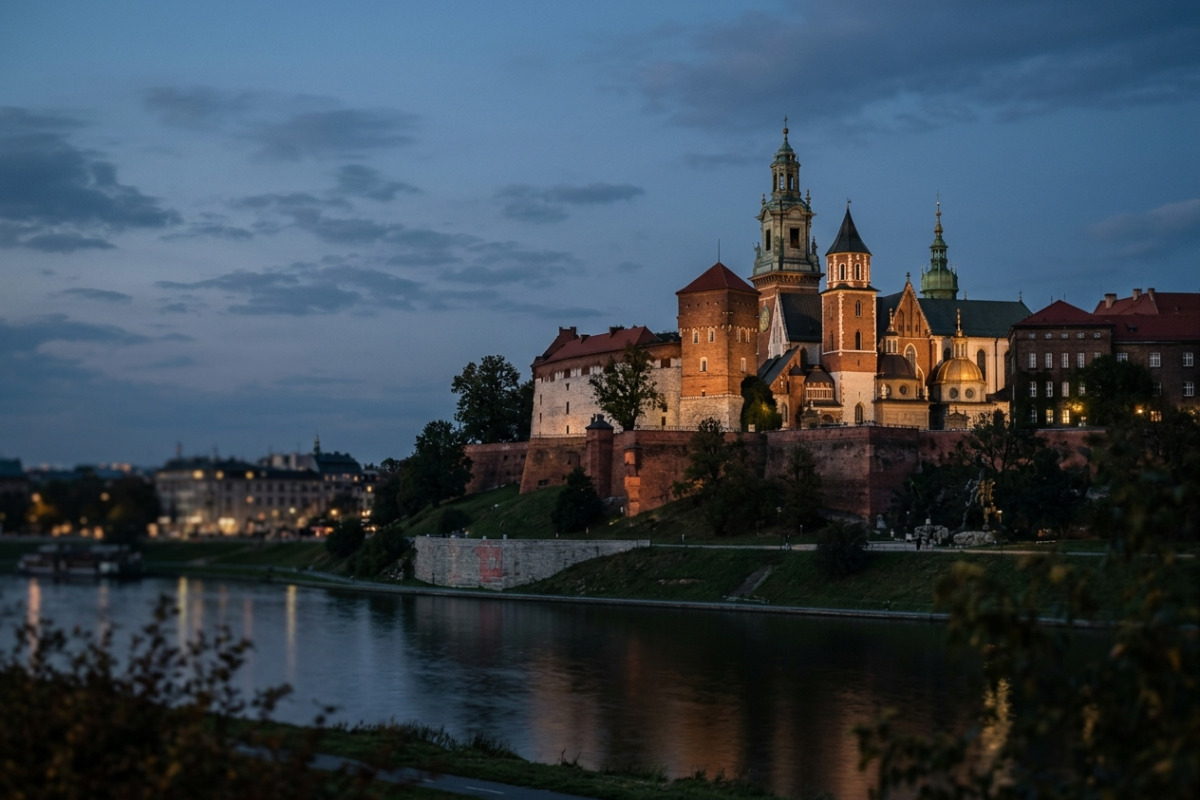
When you step into the shadowy, Gothic interiors of the Wawel Cathedral in Krakow, your eyes are immediately drawn to a source of light that seems to defy the gloom. It isn’t an electric lamp or a window to the outside world; it is the radiant glow of the Sigismund Chapel. Often described by art historians and travelers alike as the “Pearl of the Renaissance,” this architectural marvel is not just a mausoleum; it is a declaration of power, faith, and artistic genius that has stood the test of time since the 16th century. For anyone exploring the sections of the Wawel complex, this chapel represents the pinnacle of artistic achievement in Poland.
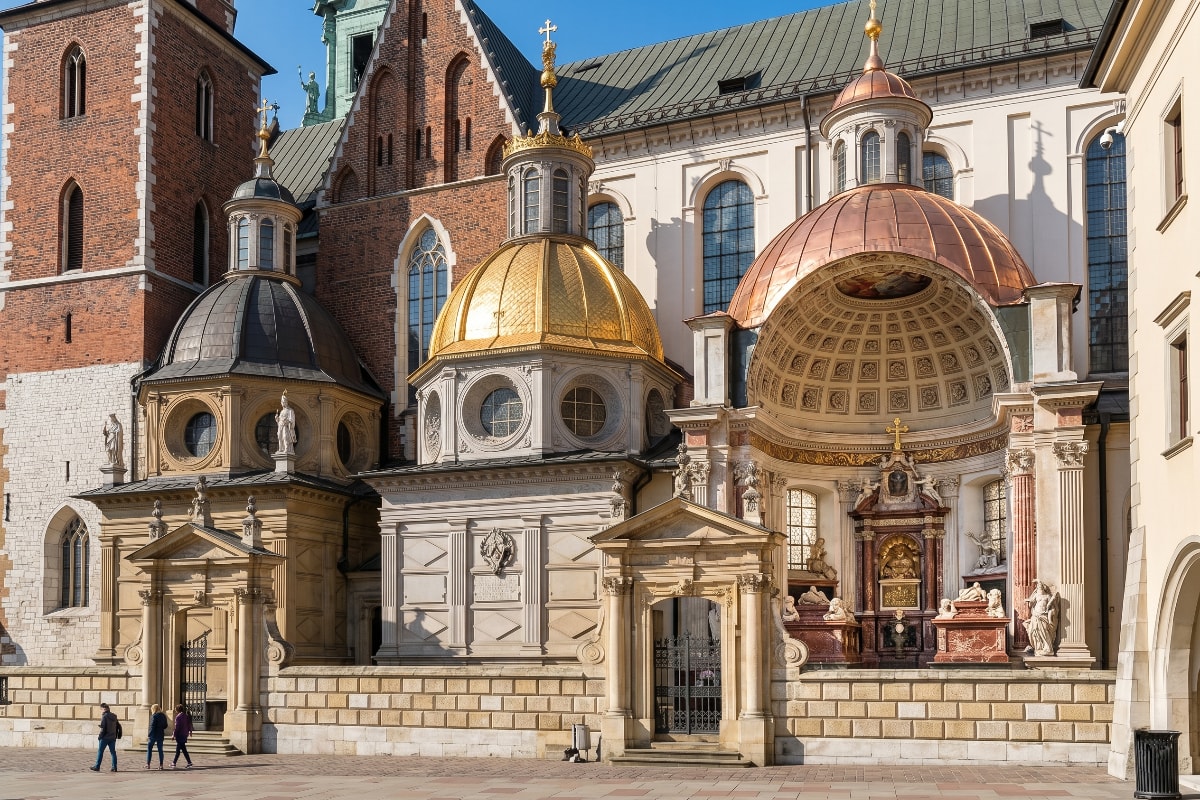
The chapel stands as a solitary, golden cube against the medieval brickwork of the cathedral, a striking contrast that signals a shift in eras. It represents the moment when the Italian Renaissance crossed the Alps and found a new home on the banks of the Vistula River. But what makes this structure so unique? Why is it considered superior to almost every other Renaissance structure outside of Italy? To understand its magnificence, we must dive deep into the vision of a King and the genius of an architect who dared to bring the heavens down to earth.
A Tuscan Masterpiece North of the Alps
The story of the Sigismund Chapel begins with King Sigismund I the Old. A monarch with a deep appreciation for the arts and a desire to leave a lasting legacy, Sigismund wanted a burial chapel that would rival the greatest mausoleums of Europe. To achieve this, he didn't look to local masons; he looked to Italy. He commissioned the Florentine architect Bartolomeo Berrecci, a man whose vision would transform the Krakow skyline forever.
Completed between 1519 and 1533, the chapel is widely regarded as the purest example of Tuscan Renaissance architecture north of the Alps. Unlike the Gothic style that dominates much of Northern Europe, which reaches upward with spires and pointed arches, the Sigismund Chapel is grounded in perfect symmetry, geometric harmony, and the humanistic ideals of the Renaissance. It is a space designed not just to house the dead, but to celebrate the glory of the living and the eternal.
Bartolomeo Berrecci’s Visionary Design
Bartolomeo Berrecci was not merely a builder; he was a master of symbolism. He designed the chapel on a square plan, which transitions into an octagon, and finally creates a circular dome. This geometric progression was intentional. In Renaissance philosophy:
- The Square represented the earth and the material world.
- The Octagon symbolized the transition between the earthly and the divine.
- The Circle (Dome) represented the perfection of God and the heavens.
By walking into the chapel, you are symbolically moving from the earthly realm into the divine presence. The walls are adorned with greyish-green sandstone, but as your eyes move upward, the materials change, becoming lighter and more ethereal, culminating in the golden dome that captures every ray of sunlight.
The Golden Dome: A Window to the Heavens
The most iconic feature of the chapel is undoubtedly its dome. Covered in pure gold scales, it glimmers in the Polish sun, visible from various points around Krakow. However, the interior view is even more spectacular. Berrecci designed the dome to feature a lantern at the very top, which allows natural light to flood the interior. On the inside, the dome is decorated with eighty rosettes, arranged in coffered rows.
What makes these rosettes fascinating is that no two are exactly alike. They represent the infinite variety of creation. The light pouring in from the lantern symbolizes divine grace illuminating the soul of the King. It is a masterful manipulation of light and shadow, ensuring that the sarcophagi of the monarchs are always bathed in a soft, celestial glow.
The Symbolism of the Stonework
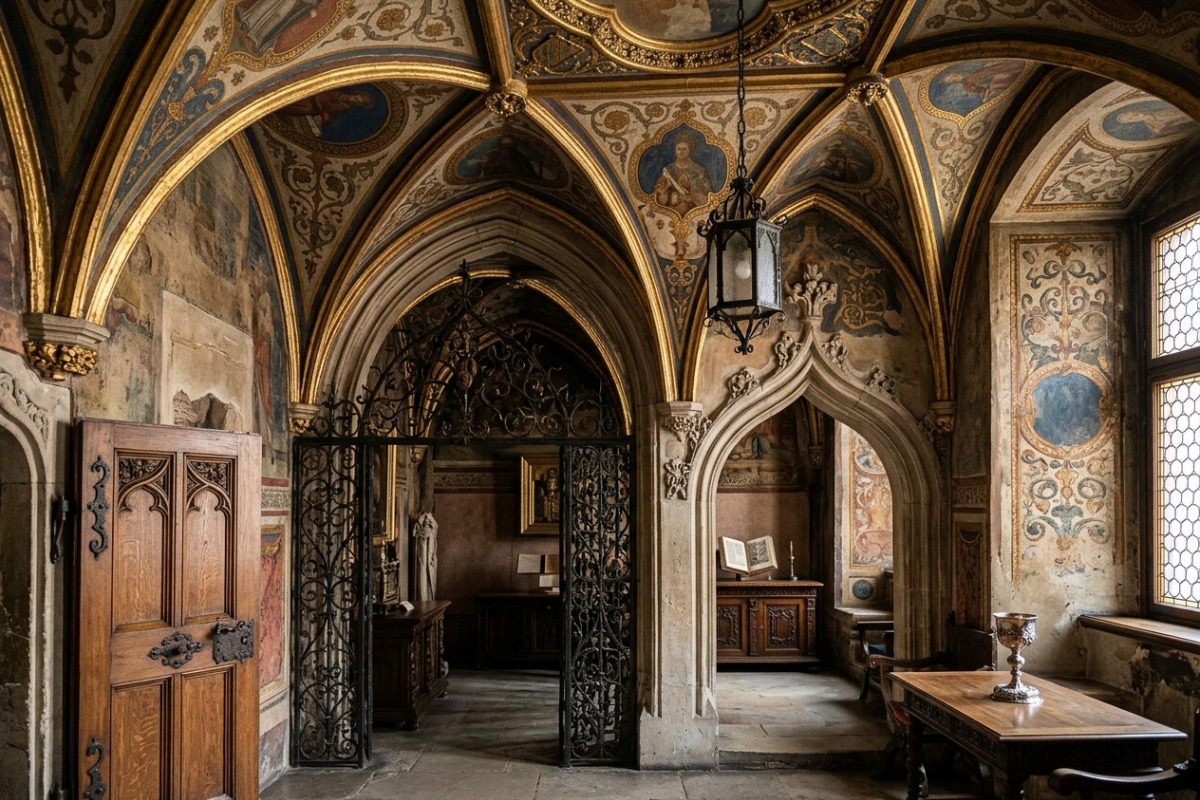
While the dome draws the eye up, the walls of the chapel deserve close inspection. The interior is a horror vacui (fear of empty space) masterpiece, where almost every inch is covered in intricate carvings. Grotesques, mythological creatures, garlands of fruit, and floral motifs intertwine with Christian saints and biblical scenes.
This blend of pagan antiquity and Christian theology is a hallmark of the high Renaissance. It suggests a worldview where ancient wisdom supports Christian faith. The stonework tells a story of the "Triumph of Life over Death." Unlike medieval tombs that focused on the macabre and the suffering of purgatory, the Sigismund Chapel celebrates the King's slumber as a peaceful rest awaiting resurrection.
| Architectural Element | Symbolic Meaning |
| The Square Floor Plan | Represents the stability of the Earth and the mortal realm. |
| The Octagonal Drum | The transitional phase between life and the afterlife (Resurrection). |
| The Golden Dome | The perfection of Heaven and the eternal realm of God. |
| The Lantern (Oculus) | Divine light (Lux Divina) entering the human world. |
The Royal Sarcophagi
The chapel houses the tombs of King Sigismund I the Old and his son, Sigismund II Augustus. The monument to Sigismund I is particularly striking. He is depicted not as a corpse, but as a sleeping figure, resting on his elbow with his legs crossed—a pose known as the "Sansovino type." This posture suggests that the King is merely resting after a long day of ruling, ready to wake up at the call of the Last Judgment. It conveys a sense of peace and dignity rather than the finality of death.
Later, the monument was modified to include his son, creating a two-tiered structure. While the artistic unity was slightly altered, it remains a powerful testament to the Jagiellonian dynasty's dominance in Central Europe.
Planning Your Visit to the Pearl of the Renaissance
Seeing the Sigismund Chapel in person is an experience that photos simply cannot replicate. The play of light on the gold, the smell of old stone, and the hushed atmosphere of the cathedral create a profound sense of history. However, because the chapel is located inside the Wawel Cathedral, access is regulated to preserve its condition.
To ensure you have the best experience, it is highly recommended to check visiting information beforehand. The cathedral can get quite crowded, especially during peak tourist seasons. Securing your entry in advance is the smartest way to avoid long queues and ensure you have ample time to admire Berrecci’s work without being rushed.
Practical Information for Your Visit:
Address: Wawel 5, 31-001 Kraków, Poland
Opening Hours: Vary depending on the season. Check the official Wawel Castle website for the most up-to-date schedule.
Entry Fees: Access to Wawel Cathedral, including the Sigismund Chapel, requires a ticket. There are different ticket options available, including guided tours. Check the official website for current prices and to book your tickets online.
Photography: Photography is generally allowed inside the cathedral, but flash photography may be restricted in certain areas. Always check with staff upon entry.
Accessibility: Wawel Cathedral has limited accessibility for visitors with mobility issues. Contact the Wawel Castle administration in advance to inquire about specific accessibility arrangements.
If you have specific questions about photography rules or accessibility, the FAQ page is a great resource to consult before your trip. Remember that while you can see the exterior from the courtyard, the true magic lies within the intricate details of the interior.
Why It Remains Unrivaled
Centuries have passed since Bartolomeo Berrecci laid the final stone, yet the Sigismund Chapel remains unrivaled. It is a testament to a time when Poland was at the cultural heart of Europe, a place where Italian genius met Polish ambition. The chapel is more than just a building; it is a philosophy carved in stone and cast in gold.
Whether you are an architecture enthusiast, a history buff, or simply a traveler looking for beauty, the Sigismund Chapel is a mandatory stop. It reminds us that art is eternal, and true beauty transcends the boundaries of time and geography. So, when you book your tickets to Wawel, know that you are not just buying entry to a castle, but to one of the greatest artistic achievements of the Renaissance.