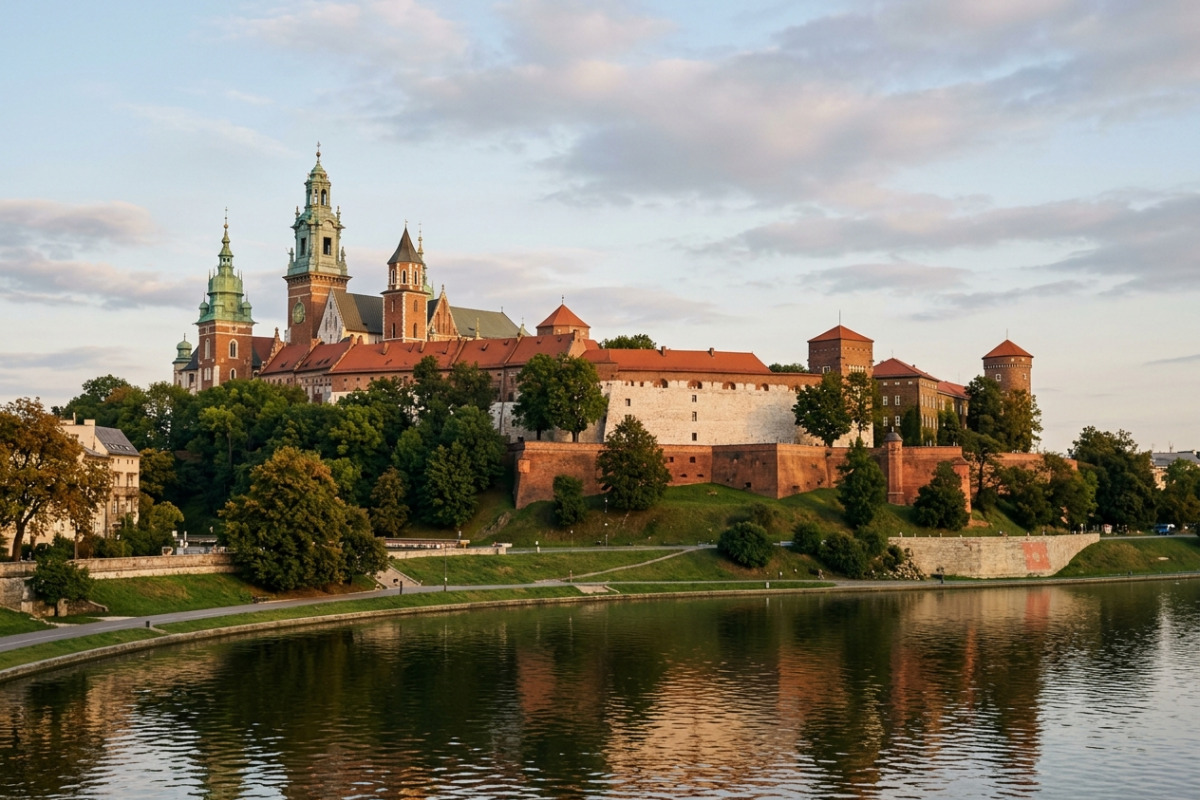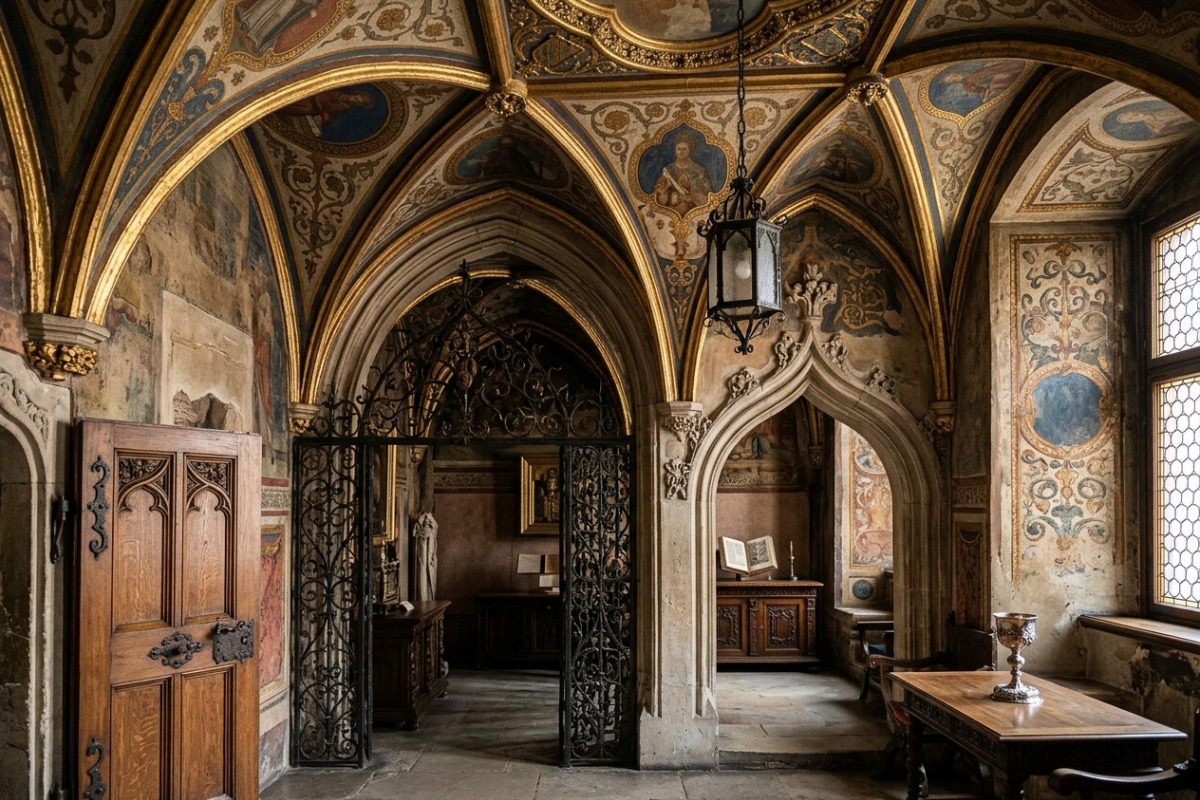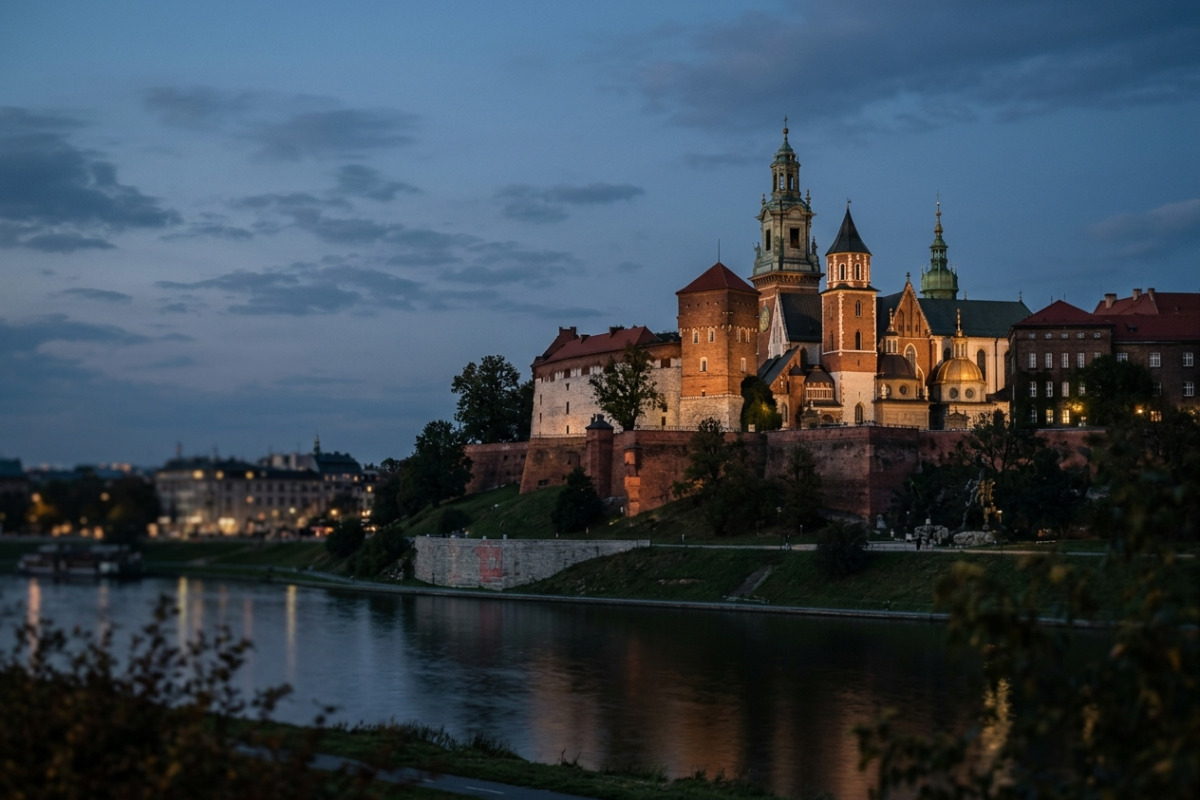
When you step into the cool, shadowed interior of Wawel Cathedral, the noise of the modern world seems to vanish, replaced by a heavy, reverent silence. However, the true depth of Poland’s history is not found in the soaring naves above, but in the labyrinth of stone corridors beneath your feet. Descending into the Royal Tombs is more than just a sightseeing stop; it is a pilgrimage into the soul of a nation. Here, amidst the flickering light and the scent of centuries-old stone, lie the silent witnesses of Poland’s tumultuous and glorious past—kings, queens, saints, and bards who defined the identity of a people.
The necropolis under the cathedral is not a single chamber but a series of connected crypts that have evolved over centuries. As you navigate these hallowed spaces, you are literally walking through the timeline of the Polish monarchy and the republic that followed. From the austere Romanesque architecture of St. Leonard’s Crypt to the ornate Baroque flourishes of later chambers, the underground complex offers a profound narrative of artistic evolution and political power. For travelers planning their journey, securing skip-the-line tickets is highly recommended, as the intimate nature of the crypts limits the number of visitors allowed at one time.
The Royal Necropolis: Where Monarchs Sleep
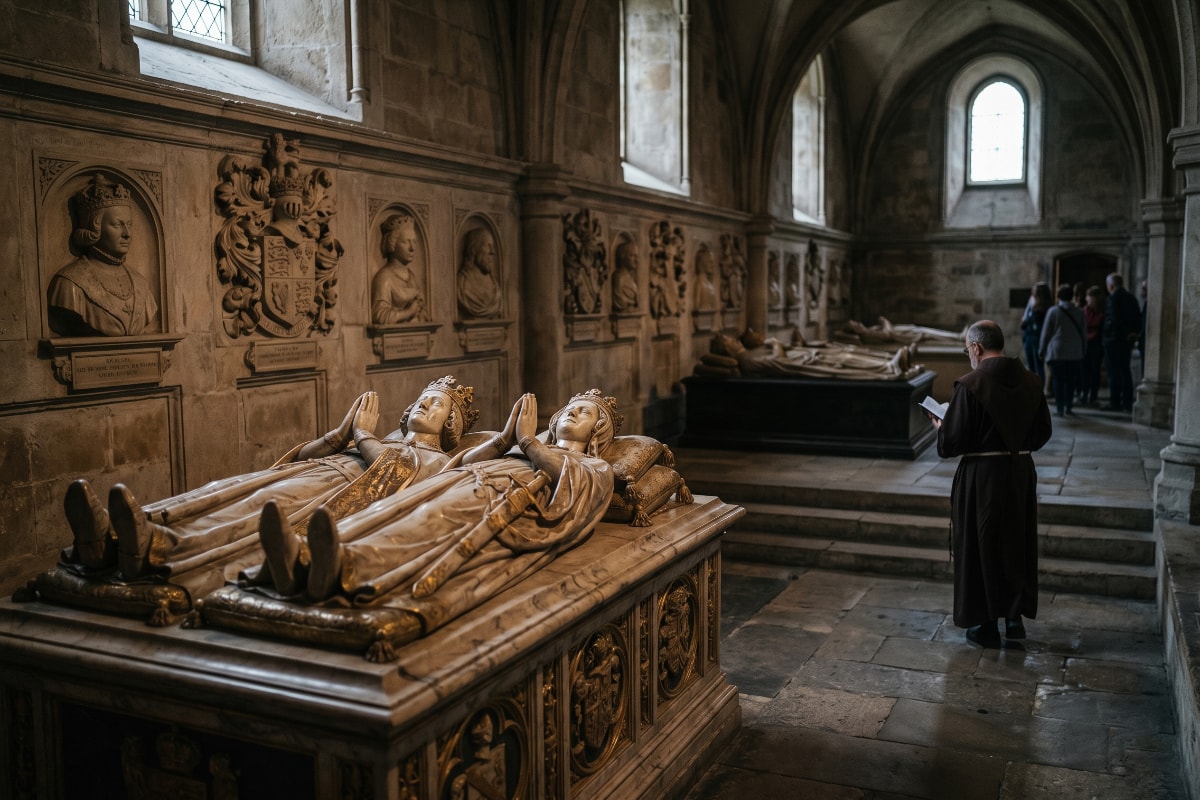
For centuries, Wawel has been the coronation site and the final resting place of Polish monarchs. The tradition of burying kings in the cathedral dates back to the 14th century with Władysław the Elbow-high, and since then, almost every Polish ruler has been interred here. Unlike the grandiose, open-air cemeteries found elsewhere, these crypts provide an intimate proximity to history. You are separated from legendary figures like Sigismund the Old or Stephen Báthory by only a few feet of space and a layer of metal or stone.
The atmosphere here is distinct from the rest of the castle complex. While the upper sections of the museum display the vibrant life of the court—tapestries, weapons, and gold—the crypts display the solemnity of death and the hope of resurrection. It is a place where the pomp of royalty meets the inevitable equality of mortality. Walking past the rows of sarcophagi, visitors can trace the lineage of the Piast, Jagiellonian, and Vasa dynasties, understanding how these families shaped the map of Europe.
Artistic Mastery in Stone and Metal
One of the most captivating aspects of the Royal Tombs is the incredible diversity of funerary art. The sarcophagi are not merely containers for the deceased; they are masterpieces of sculpture and metallurgy that reflect the artistic trends of their respective eras. They tell stories of how the rulers wished to be remembered, often depicting them in peaceful slumber or in full regalia, ready to rise again.
The artistic styles vary significantly as you move from chamber to chamber. You will encounter heavy, Gothic stone tombs that speak of medieval solidity, transitioning into the refined elegance of the Renaissance. Perhaps the most striking are the intricate pewter and copper sarcophagi of the Baroque period. These metal coffins are often adorned with polychrome decorations, detailed coats of arms, and allegorical figures representing virtues like Justice or Fortitude. The level of detail is staggering, with some sarcophagi featuring etched battle scenes or intricate floral motifs that have survived the ravages of time.
| Crypt/Sarcophagus | Notable Ruler/Figure | Artistic Style & Material | Key Features |
| St. Leonard's Crypt | King John III Sobieski | Romanesque (Architecture) | Supported by eight columns; the most ancient part of the cathedral. |
| Crypt of St. Leonard | Michael Korybut Wiśniowiecki | Baroque (Sarcophagus) | Richly decorated, reflecting the opulent style of the 17th century. |
| The Vasa Crypt | Sigismund III Vasa | Mannerist / Early Baroque | Elaborate tin sarcophagi with high relief decorations and symbolism. |
| The Glass Sarcophagus | Józef Piłsudski | Modern / Military | A simple, solemn resting place for the marshal, distinct from royal tombs. |
Beyond the Crown: Poets and Heroes
What makes the Wawel crypts unique among European royal burial sites is that they are not reserved solely for those of royal blood. In Poland, the concept of "royalty" in terms of spirit and contribution to the nation extends to its greatest artists and defenders. During the 123 years when Poland was erased from the map of Europe by foreign powers, the preservation of Polish language and culture became a battle for survival. The poets who led this cultural resistance are honored here as equals to kings.
In the Crypt of the National Bards, you will find the resting places of Adam Mickiewicz and Juliusz Słowacki. Their inclusion in this royal necropolis is a powerful statement: the pen is indeed as mighty as the sword. For the Polish people, these poets kept the heart of the nation beating when the political entity had ceased to exist. Visiting these tombs offers a glimpse into the Polish soul—a romantic, resilient spirit that values culture and freedom above all else.
The Military Heroes
Alongside the poets lie the military geniuses who fought for Poland’s independence. The crypts house the remains of Tadeusz Kościuszko, a hero of both the American and Polish revolutions, and Prince Józef Poniatowski. More recently, the crypts became the resting place for Marshal Józef Piłsudski, the father of modern Polish independence. These tombs are often adorned with fresh flowers and ribbons in the national colors of white and red, placed by visitors who come to pay their respects to the guardians of their liberty.
The Spiritual Heart of Poland
To understand why Wawel is considered the spiritual heart of Poland, one must look beyond the architecture and see the symbolism. During the dark days of partitions, wars, and occupation, Wawel Cathedral remained a beacon of hope. The Royal Tombs served as a tangible reminder that Poland had been a great power and could be one again. It was a place where secret patriotic meetings were held and where the continuity of the state was preserved in the memory of its ancestors.
Today, the crypts continue to serve this function. They are not dead museums but active places of memory. On major national holidays and anniversaries, the crypts are filled with dignitaries and citizens alike. The silence is occasionally broken by the tolling of the Sigismund Bell above, creating a connection between the heavens and the underground history. Before you go, it is wise to read through the visiting information to understand the dress code and behavioral expectations in this sacred space.
Practical Tips for Your Descent
Visiting the Royal Tombs is a profound experience, but it requires some logistical planning to ensure a smooth visit. The crypts are narrow, and the atmosphere is somber, requiring a respectful demeanor. Because this is an active religious site as well as a historical monument, certain rules apply that differ from standard museum visits.
- Book in Advance: The crypts are one of the most popular sections of the Wawel Hill complex. To avoid long waits, especially during the summer months, use the book now option online.
- Respect the Silence: These are active graves. Conversations should be kept to a whisper, and mobile phones should be silenced.
- Photography: Flash photography is generally prohibited to protect the delicate pigments on the sarcophagi and to maintain the sanctity of the place.
- Accessibility: Due to the historic nature of the architecture, there are steep stairs and uneven floors. Those with mobility issues should check the FAQ section for specific accessibility details.
- Guided Tours: Audio guides or human guides can provide the necessary historical context that brings the stone names to life. Consider booking in advance to ensure availability.
As you emerge from the depths of the cathedral back into the daylight of the Wawel courtyard, the contrast is striking. You return to the present moment, but you carry with you the weight and wisdom of the past. The Royal Tombs are not just about death; they are a celebration of a culture that refused to die. They are the silent witnesses that continue to speak to every generation that walks down those stone steps.