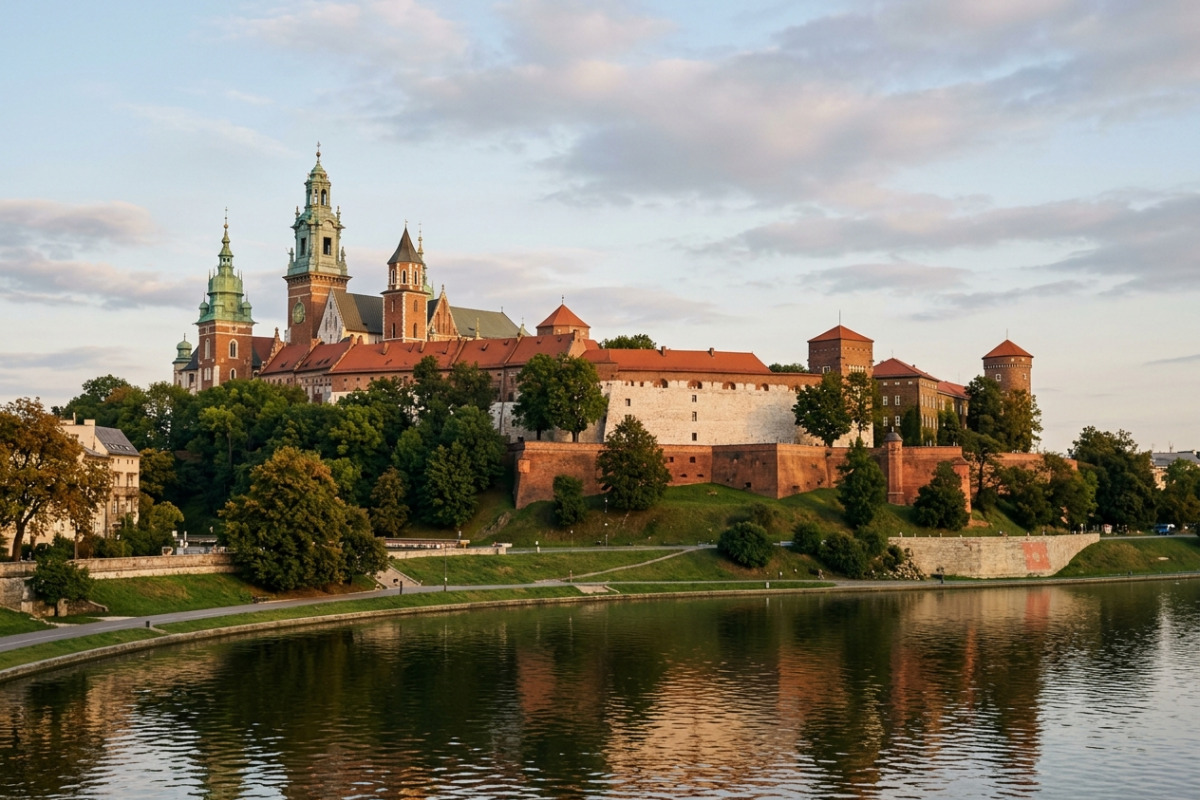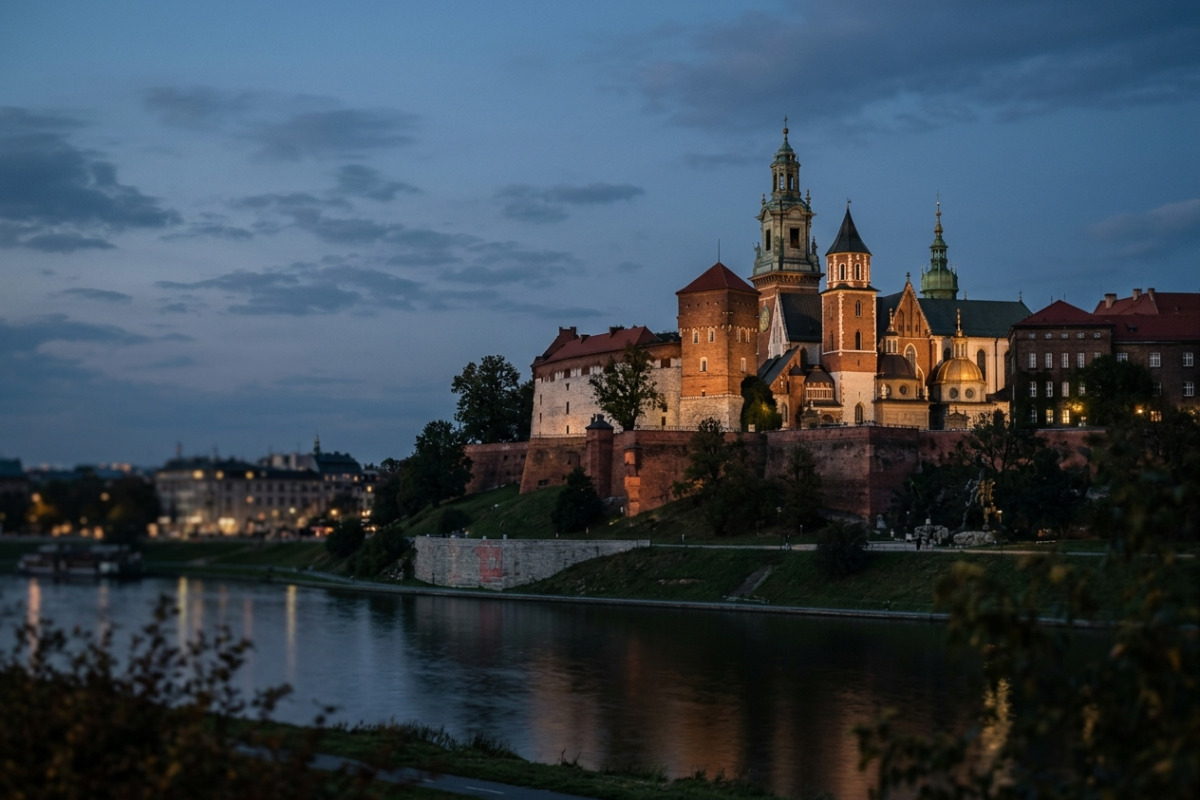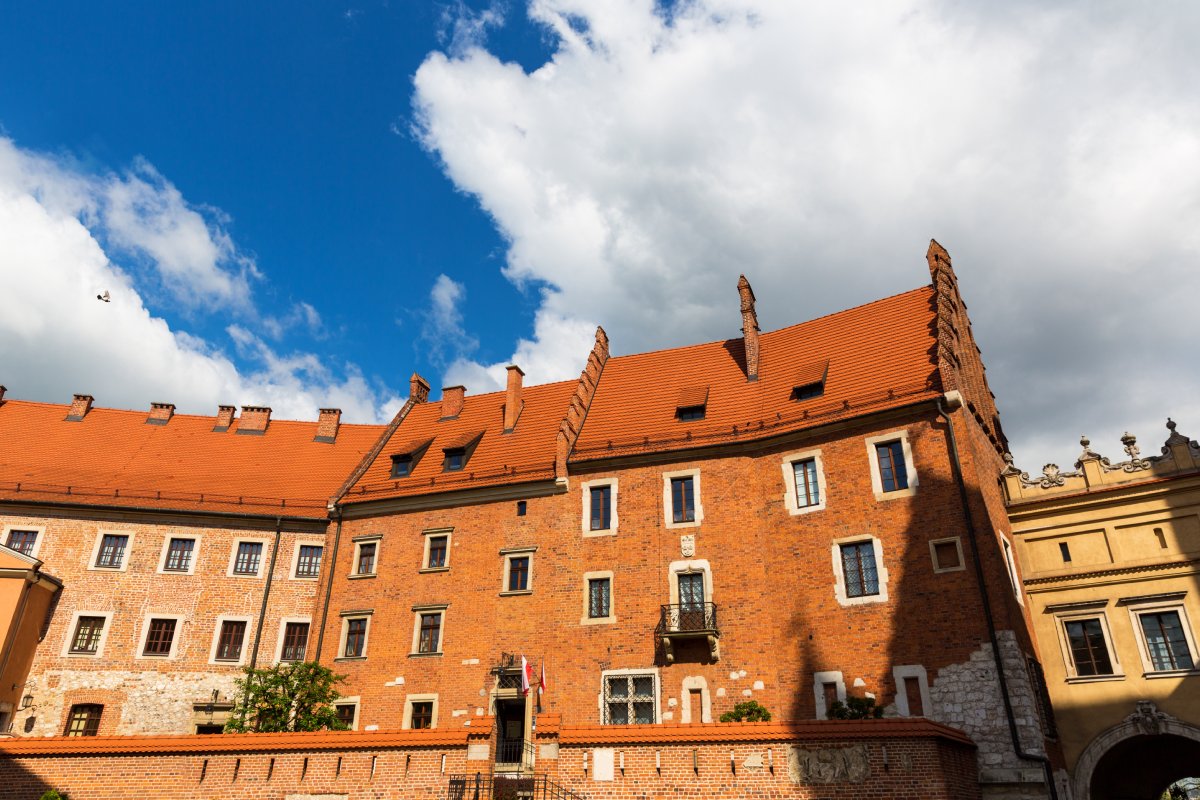
Walking through the arched gates of Wawel Castle is more than just a tour; it is a pilgrimage into the soul of a nation. Among the many splendors that this hilltop fortress offers, few hold as much emotional and historical weight as the Crown Treasury and Armory. Here, amidst the thick stone walls that have withstood the tests of time, wars, and partitions, lies the glittering evidence of Poland's golden age. It is a place where gold shines not just with material value, but with the resilience of a people who safeguarded their heritage against all odds.
For any traveler visiting Krakow in January 2026, the allure of these chambers is undeniable. While the winter winds may sweep across the Vistula River outside, inside these halls, you are warmed by the glow of history. From the jagged edges of the legendary coronation sword to the imposing silhouettes of hussar armor, the Treasury and Armory serve as the ultimate guardians of Poland’s regal heritage. To ensure you don't miss this profound experience, it is highly recommended to book your tickets in advance, as these exhibitions are among the most sought-after in the entire complex.
The Heart of Polish Sovereignty
The Crown Treasury is not merely a museum display; it is a miracle of survival. Historically, this was the safehouse for the insignia of Polish royalty—crowns, scepters, and orbs that defined the monarch's power. However, history was not always kind to these artifacts. In the late 18th century, Prussian troops looted the treasury, destroying many of the original crown jewels. What you see today is a collection that has been painstakingly reassembled, recovered, and preserved. It stands as a testament to the fact that while physical objects can be stolen, the spirit they represent cannot be extinguished.
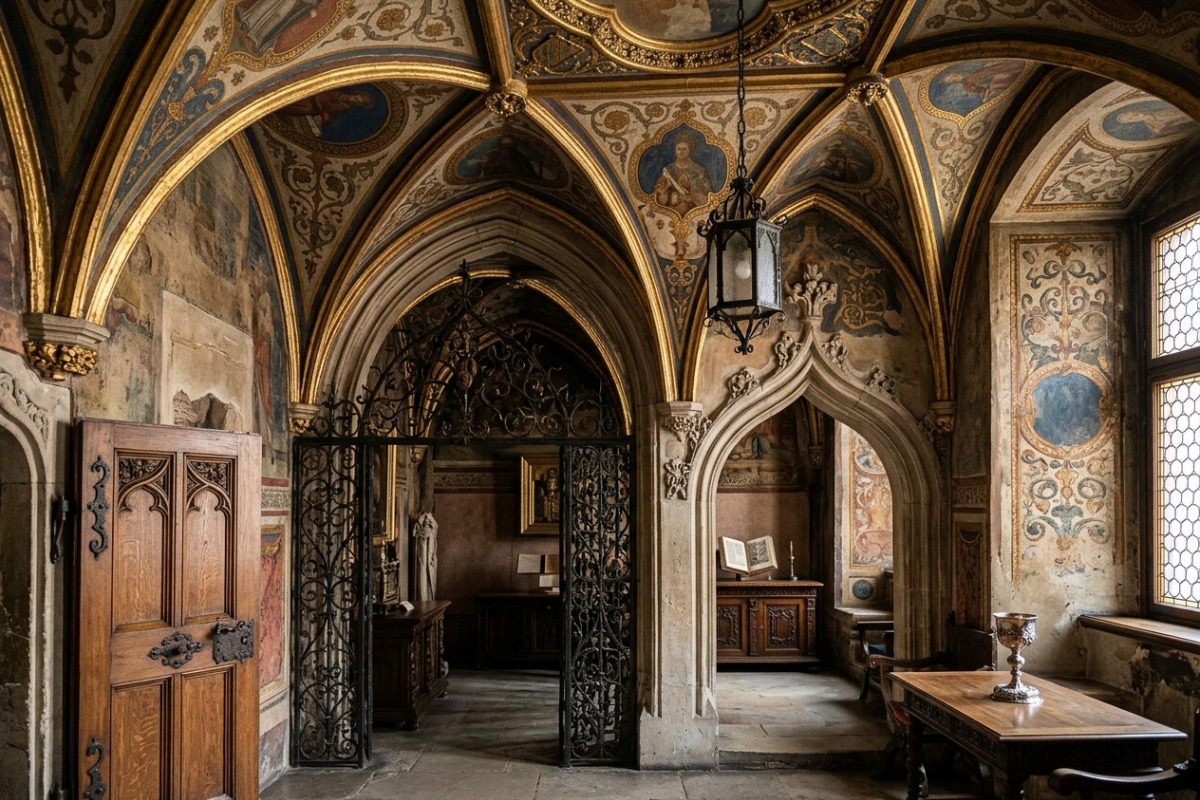
Today, the exhibition occupies the ground floor of the castle, in the Gothic and Renaissance rooms that once served as the actual treasury archives. The atmosphere is thick with mystery. As you navigate through the various sections of the castle, the Treasury stands out for its dimly lit, reverent ambiance, designed to highlight the sparkle of gemstones and the sheen of ancient gold.
The Legend of Szczerbiec: The Jagged Sword
Undoubtedly, the crown jewel of the collection—both literally and figuratively—is Szczerbiec. As the only surviving part of the medieval Polish Crown Jewels, this coronation sword is an object of immense veneration. Its name, roughly translating to "The Notched Sword" or "The Jagged Sword," is derived from a legend that dates back to the 11th century. According to the myth, King Bolesław the Brave chipped the blade when he struck it against the Golden Gate of Kiev to mark his capture of the city.
While historians confirm that the sword actually dates to the 13th century (making the legend chronologically impossible), the story adds a layer of romance and grit to the artifact. When you stand before Szczerbiec, observe the intricate details that make it a masterpiece of medieval craftsmanship:
- The Hilt: Adorned with gold plates and niello (a black mixture used as an inlay on engraved metal), featuring symbols of the Evangelists and the Agnus Dei (Lamb of God).
- The Blade: Despite its name, the blade is beautifully preserved, bearing a rectangular slot near the hilt that was likely used to carry relics.
- The Inscriptions: Latin phrases invoking divine protection for the wielder, emphasizing the sacred nature of kingship.
Seeing Szczerbiec is a highlight for many visitors. It is not just a weapon; it is the physical embodiment of Polish continuity. It has been hidden in chests, smuggled across borders, and evacuated to Canada during World War II to protect it from Nazi looting, only to return triumphantly to its home. To understand the significance of this evacuation, consider that the Polish government-in-exile considered these artifacts vital to maintaining the nation's identity during occupation.
Treasures That Survived the Storm
Beyond the sword, the Treasury houses an array of items that showcase the wealth and diplomatic reach of the Polish-Lithuanian Commonwealth. The collection includes gifts from foreign potentates, liturgical vessels, and personal items of the monarchs. One cannot help but marvel at the craftsmanship that flourished during the Renaissance and Baroque periods.
Among the most fascinating items are those associated with the Order of the Holy Spirit and various papal gifts. The sheer variety of textures—from cold steel to soft velvet embroidered with gold thread—is mesmerizing. To help you prioritize what to look for, consider the following breakdown of key exhibits:
| Artifact Category | Key Highlights | Historical Significance |
| Royal Insignia | Szczerbiec (Coronation Sword) | The primary symbol of judicial power and sovereignty used in coronations from 1320 to 1764. |
| Liturgical Objects | Golden chalices and reliquaries | Demonstrates the deep bond between the Polish Crown and the Catholic Church. |
| Diplomatic Gifts | Hat and Sword given by the Pope | Symbolized the monarch's role as a "Defender of the Faith" in Europe. |
| Personal Items | The Mantle of the Knight of the Swan | A rare example of ceremonial garments, showcasing the intricate textile art of the era. |
The Armory: A Testament to Military Might
Adjacent to the Treasury lies the Armory, a section that shifts the narrative from ceremonial splendor to the brutal realities of defense and conquest. Poland, historically positioned at the crossroads of East and West, developed a unique military culture that blended European technology with Oriental aesthetics. The Armory at Wawel captures this fusion perfectly.
The collection is vast, featuring weaponry that ranges from medieval crossbows to early firearms. However, the true stars of the Armory are the suits of armor. You will see heavy German-style plate armor standing alongside the lighter, more mobile protection favored by the cavalry. The influence of the Ottoman Empire is also palpable here, with trophies captured during the wars against the Turks displayed prominently, including decorative shields, saddles, and tents. These Ottoman artifacts are not just trophies; they represent centuries of conflict and cultural exchange between Poland and the Ottoman Empire, a crucial aspect of Polish history.
The Winged Hussars
No discussion of Polish military heritage is complete without mentioning the Winged Hussars. While the full regalia of these legendary warriors is rare, the Armory contains elements that allow you to visualize their terrifying magnificence on the battlefield. The Hussars were the elite cavalry of the Commonwealth, famous for the large wooden wings attached to their backs, which created a distinctive noise during a charge to unsettle enemy horses.
In the Armory, look for the Karacena armor—scale armor inspired by ancient Roman designs but uniquely Polish in its execution. This style reflects the "Sarmatism" ideology of the Polish nobility, who believed they were descended from the ancient Sarmatians. The craftsmanship involved in riveting thousands of small metal scales onto a leather backing is a testament to the wealth and pride of the warriors who wore them.
Planning Your Visit to the Treasury and Armory
Visiting the Crown Treasury and Armory requires a bit of planning, as it is one of the most popular visiting routes within the castle complex. Because the rooms contain sensitive artifacts, entry is often regulated with timed tickets to prevent overcrowding and maintain the preservation environment.
Here are a few tips to enhance your experience:
- Timing: Early mornings are generally the best time to visit to avoid the largest crowds. Since you are visiting in January, the indoor nature of this exhibit makes it a perfect escape from the cold weather.
- Photography: Be mindful of the rules regarding photography. Flash is strictly prohibited to protect the pigments and delicate materials of the tapestries and banners.
- Luggage: Large bags are not permitted inside the Treasury for security reasons. Check the FAQ page for details on cloakrooms and prohibited items.
- Tickets: These exhibitions often sell out, especially on weekends. It is wise to secure Skip-The-Line Tickets if you are on a tight schedule.
A Journey Through Time
The Crown Treasury and Armory at Wawel are not silent repositories of dead objects. They are vibrant echoes of a nation’s past. Every dent in a breastplate tells a story of a cavalry charge; every gemstone in a scepter whispers of a coronation. As you walk through these halls, you are witnessing the resilience of Polish culture.
From the solemnity of Szczerbiec to the martial pride of the hussar armor, this tour offers a comprehensive look at the forces that shaped Central Europe. It is a reminder that heritage is worth fighting for, and more importantly, worth preserving for future generations to admire. Whether you are a history buff or a casual traveler, the guardians of Poland's regal heritage await your discovery.