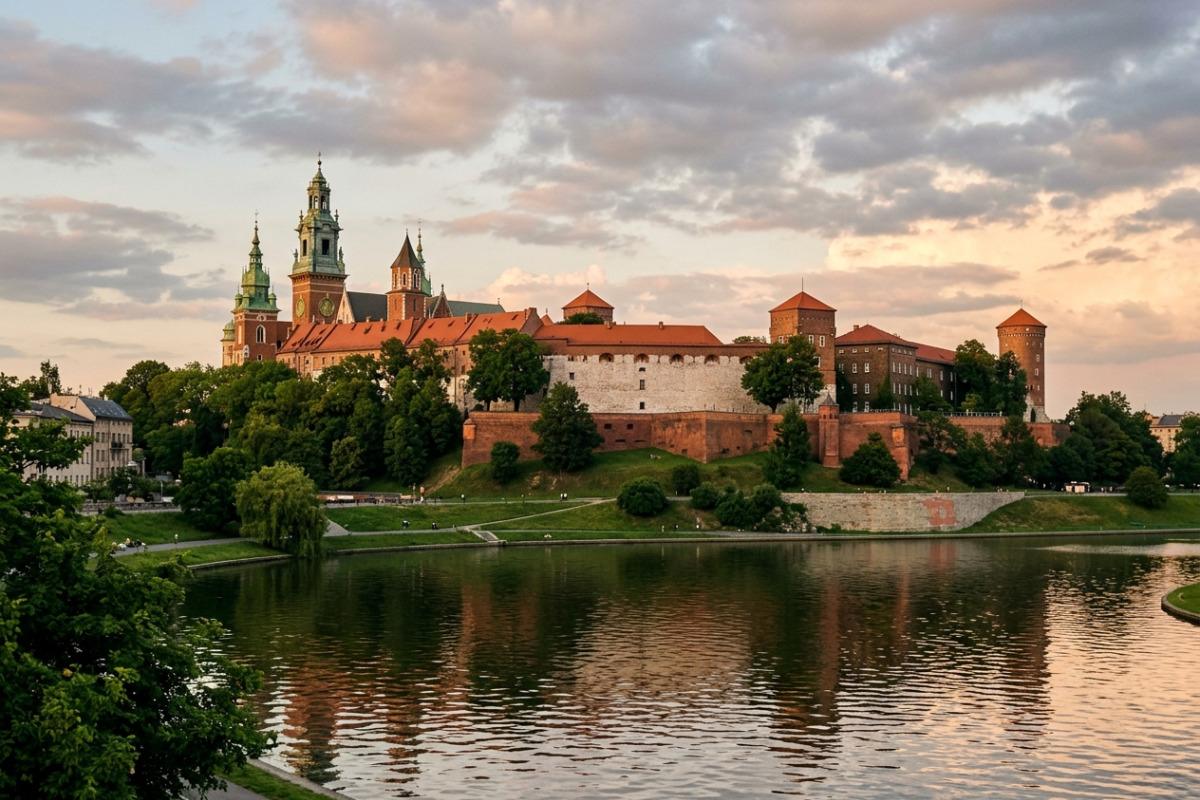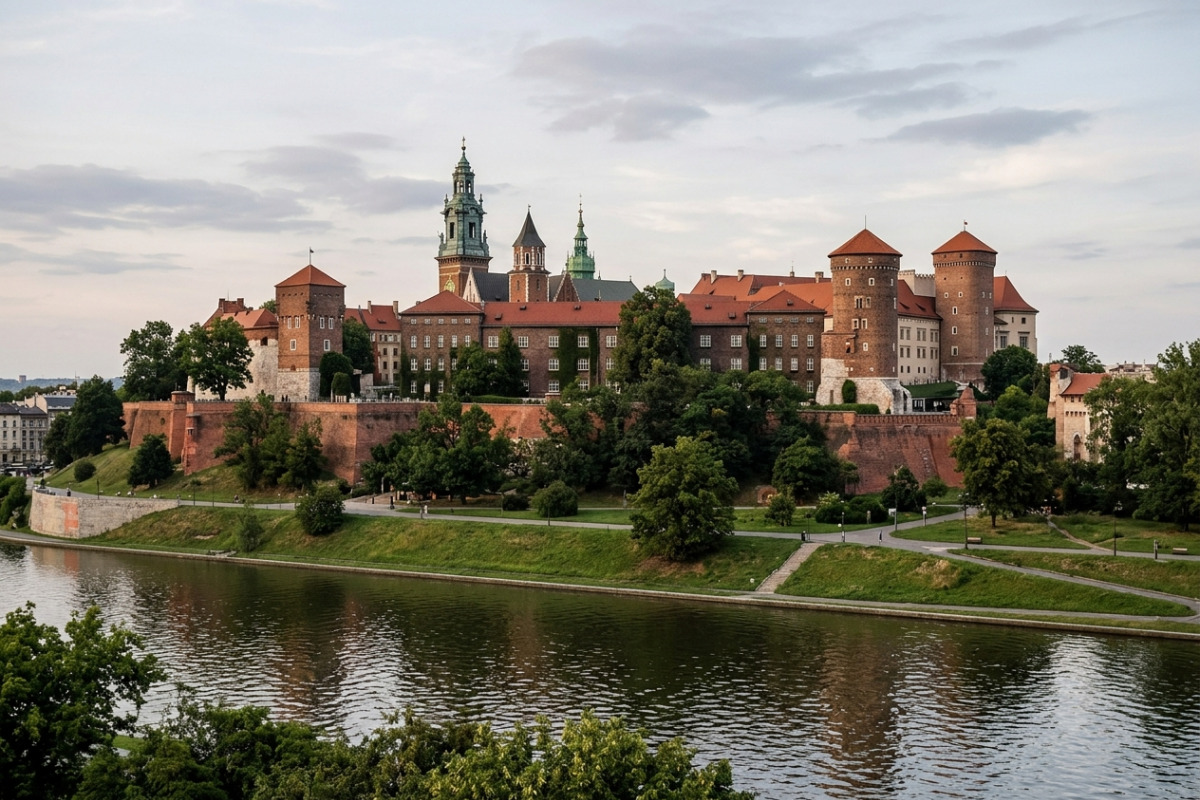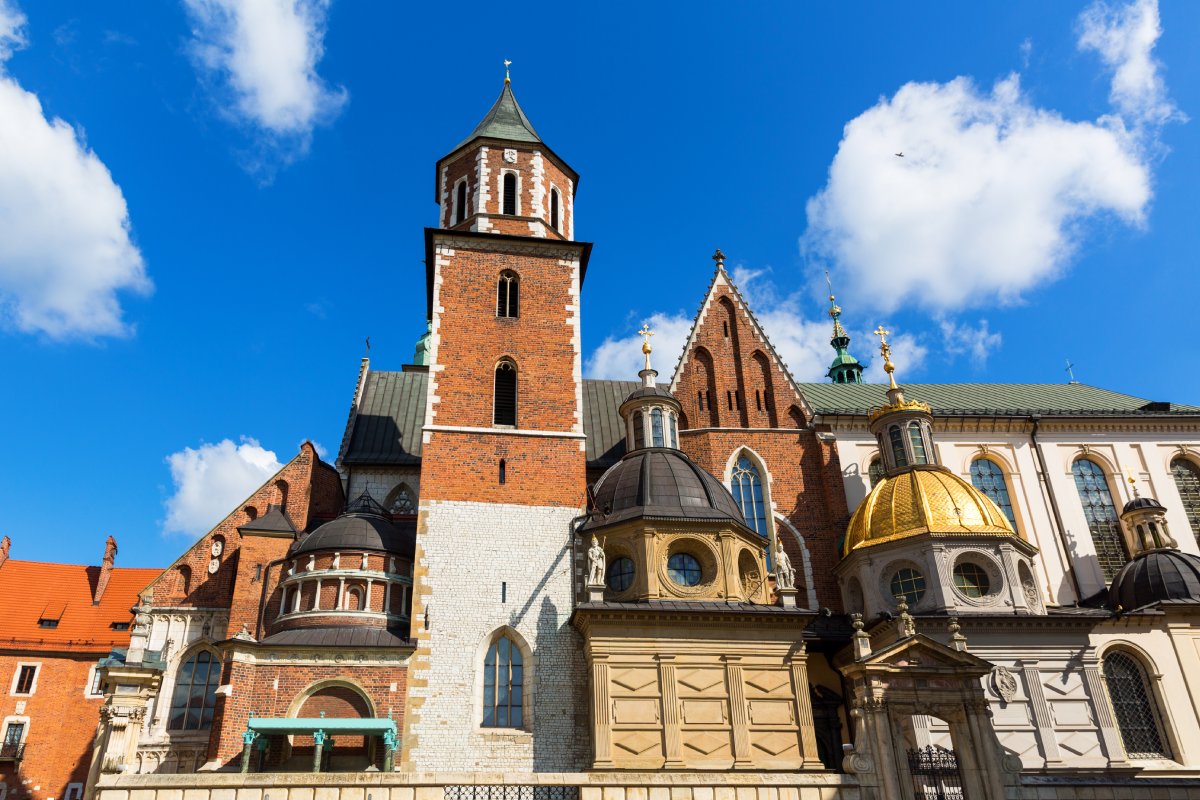
When you stand before the majestic entrance of the Wawel Cathedral, it is easy to be overwhelmed by the sheer architectural grandeur of the Gothic structure. However, before you even step inside to witness the resting place of Polish kings, your eyes are inevitably drawn upward to a curious and somewhat ominous sight. Suspended heavily on the western wall, just to the left of the main entrance, hang three massive, oddly shaped objects bound in iron chains. These are not architectural ornaments or religious artifacts in the traditional sense; they are the legendary Wawel Bones, prehistoric remnants that have guarded the cathedral for centuries.
For the unsuspecting traveler arriving in Krakow in January 2026, these bones might seem like a quirky historical footnote, but to the locals and those well-versed in Polish folklore, they represent something far more significant. They are the silent sentinels of the city, shrouded in a prophecy so dire that it concerns the very existence of our world. The atmosphere around the cathedral entrance is always thick with history, but knowing the legend of these hanging guardians adds a layer of mystical tension to your visit. It is a reminder that in Krakow, the line between history, myth, and magic is often beautifully blurred.
The Apocalyptic Legend of the Iron-Bound Relics
The core of the mystique surrounding these bones lies in a prophecy that has been whispered in Krakow for generations. The legend states that these massive bones carry the weight of the world—quite literally. According to the ancient belief, as long as the bones remain suspended by their heavy iron chains, the Wawel Cathedral will stand firm, and the city of Krakow will prosper. However, the prophecy carries a terrifying warning: should the chains ever break and the bones fall to the ground, the cathedral’s walls will crumble, the city will be destroyed, and the end of the world will begin.
This apocalyptic vision has transformed these calcium deposits into objects of awe and fear. They are not merely museum pieces; they are active participants in the fate of humanity. The heavy iron bands that secure them are checked and maintained, not just for preservation, but—if you believe the legends—to postpone the apocalypse. It is a fascinating example of how medieval societies interpreted the world around them, assigning cosmic significance to objects they could not fully understand. When you Buy Tickets to explore the interior of the cathedral, take a moment to pause beneath them. Looking up at those rusted chains, you might feel a slight shiver, wondering just how much weight those links are truly holding.
Identifying the "Dragon" Bones: Science vs. Myth
For centuries, the people of Krakow believed these were the remains of the Wawel Dragon (Smok Wawelski), the legendary beast that once terrorized the city from its den at the foot of the hill. It made perfect sense to the medieval mind: here were bones of a size no ordinary animal possessed, displayed as a trophy of the city's victory over evil. However, modern paleontology has provided a more grounded, yet equally fascinating explanation. These are indeed real bones, but they belong to prehistoric megafauna from the Pleistocene era.
Scientific analysis has identified the trio of bones as follows:
| Bone Type | Scientific Identification | Mythological Interpretation |
| The Rib | A rib bone of a Blue Whale | Dragon's Rib |
| The Shin | A shin bone (tibia) of a Woolly Mammoth | Dragon's Leg |
| The Skull | Part of the skull of a Woolly Rhinoceros | Dragon's Head |
The presence of a whale rib is particularly intriguing, suggesting that trade routes or travel brought this marine relic hundreds of kilometers inland. Despite the scientific classification, the allure of the dragon legend persists. The bones serve as a tangible link to a time when giants and monsters were thought to roam the Polish lands. When you visit, you are seeing genuine prehistoric history that has been repurposed into medieval mythology.
How to Find the Guardians on Wawel Hill
Finding the bones is one of the easiest parts of visiting Wawel Hill, yet many rushed tourists walk right past them without looking up. They are located outside the cathedral, hanging high on the wall to the left of the main entrance doors. You do not need a ticket to view the bones themselves, as they are in the public courtyard area. However, to fully appreciate the context of where they hang, you should explore the cathedral's interior and the surrounding royal complex. Planning your route is essential, as the hill is vast. You can check the various Sections of the castle grounds to decide whether you want to combine your bone-gazing with a visit to the Royal Tombs or the Bell Tower.
The placement of the bones at the entrance is symbolic. In medieval times, it was common to place "curiosities" or bones of "giants" at church entrances to remind entrants of the power of God and the mysteries of creation. They serve as a threshold between the profane world outside and the sacred space inside. If you are planning a trip, checking the Visiting Information is crucial to know the opening hours of the cathedral, especially if you want to avoid the peak crowds and have a quiet moment with these prehistoric guardians.
Why This Legend Matters Today
In our modern, digital age, stories like the prophecy of the hanging bones might seem like quaint fairy tales. Yet, they serve an important function. They connect us to the fears and hopes of the people who walked these same cobblestones hundreds of years ago. Standing there in 2026, looking at the same bones that a King of Poland might have looked at in the 15th century, creates a powerful continuity of human experience. The legend adds a layer of narrative magic to the physical beauty of Krakow.
Furthermore, the condition of the bones is a matter of heritage conservation. They have been exposed to the elements for centuries. In recent years, conservationists have treated them to ensure they do not disintegrate—not necessarily because they fear the end of the world, but because they value the cultural heritage of the city. If you have questions about accessibility or what else you can bring onto the castle grounds while hunting for legends, the FAQ page is a great resource to consult before your arrival.
Practical Information for Visitors:
- Accessibility: Wawel Cathedral and its surroundings are partially accessible. Check the official website for detailed information on accessible routes and facilities.
- Photography: Photography is generally allowed in the courtyard, but restrictions may apply inside the cathedral. Check signage upon entry.
- Guided Tours: Consider joining a guided tour to learn more about the history and legends of Wawel Hill, including the story of the hanging bones.
Tips for the Perfect Wawel Experience
- Look Up Immediately: As you approach the cathedral doors, stop before you enter the queue. The bones are higher than eye level.
- Combine with the Dragon’s Den: After seeing the "dragon bones," walk down to the riverside to visit the Dragon’s Den cave and the fire-breathing statue for the full mythological experience.
- Best Time to Visit: Early morning light often illuminates the western wall beautifully, making the details of the bones and chains more visible for photography.
- Secure Your Entry: Wawel is popular year-round. It is highly recommended to Book Now online to ensure you have ample time to explore the interiors after admiring the exterior legends.
The Wawel bones are more than just calcium and iron; they are a testament to Krakow's storytelling soul. Whether you see them as geological artifacts or magical talismans holding the world together, they demand a moment of your attention. So, the next time you find yourself on Wawel Hill, cast your gaze upward. The world is still turning, the cathedral still stands, and the bones are still hanging—let's hope they stay that way for a long time to come.