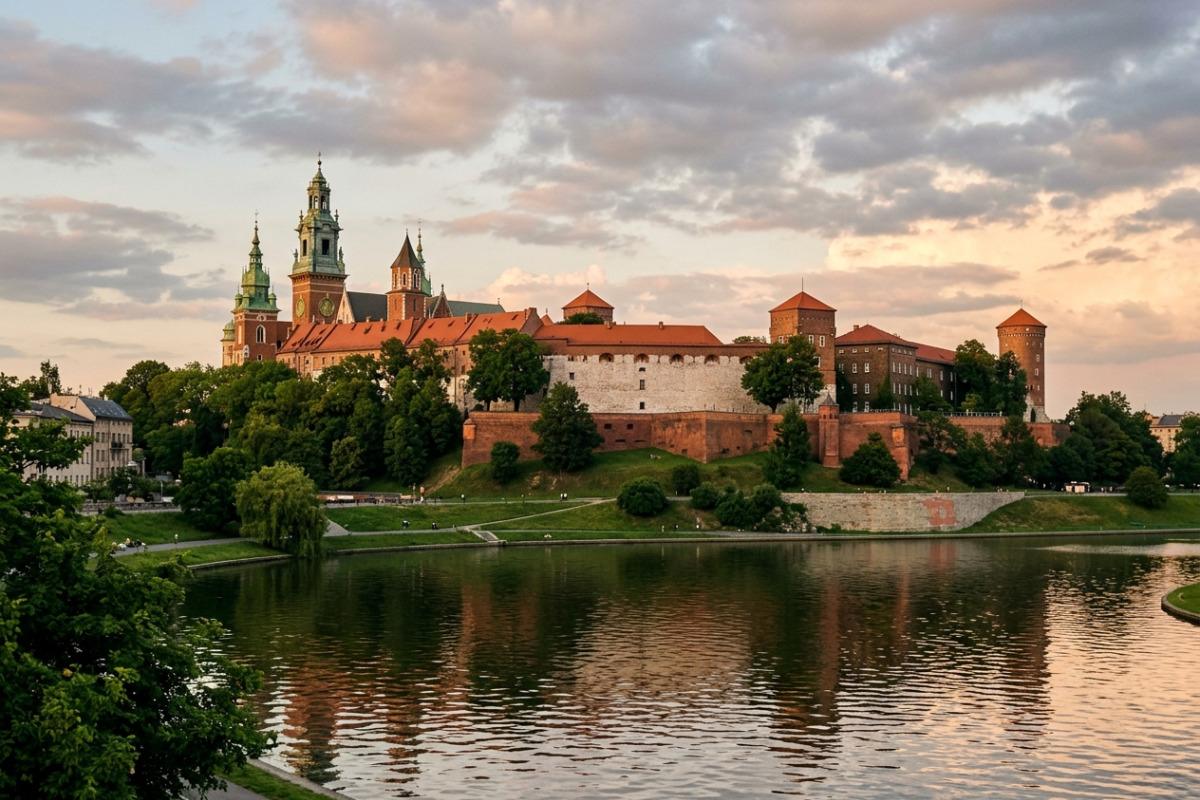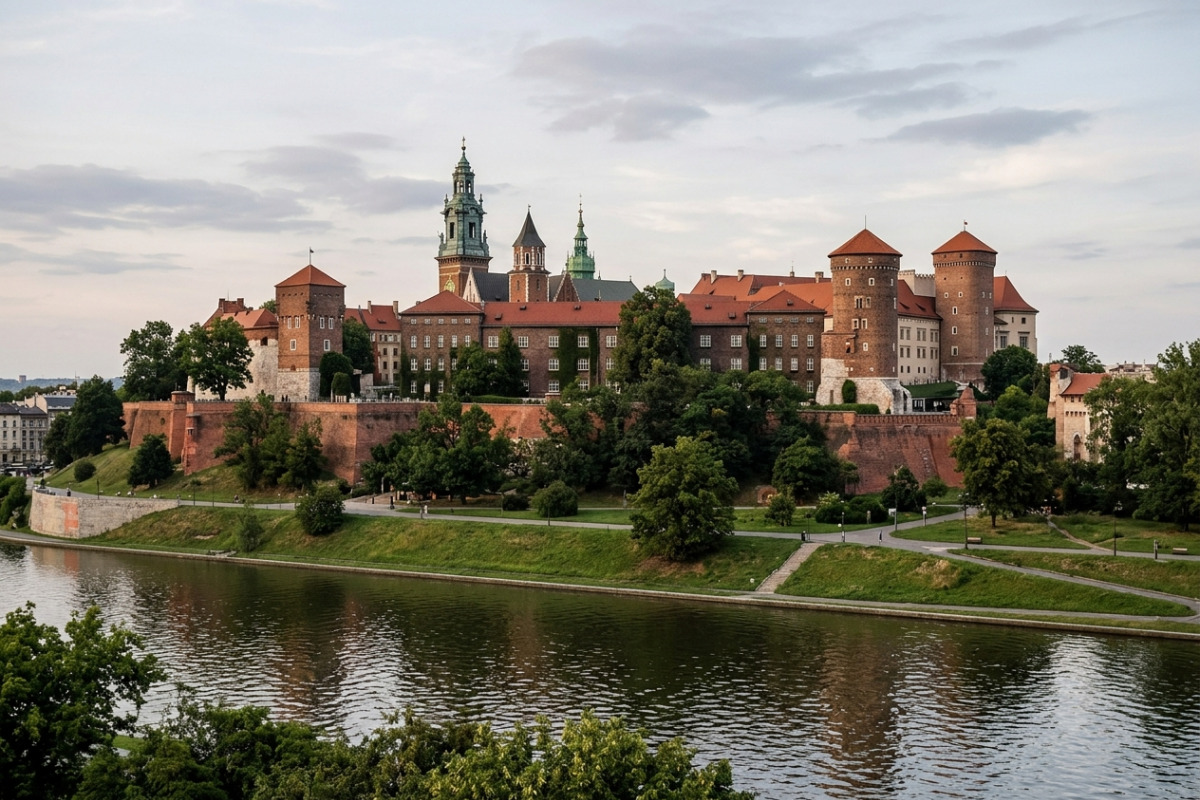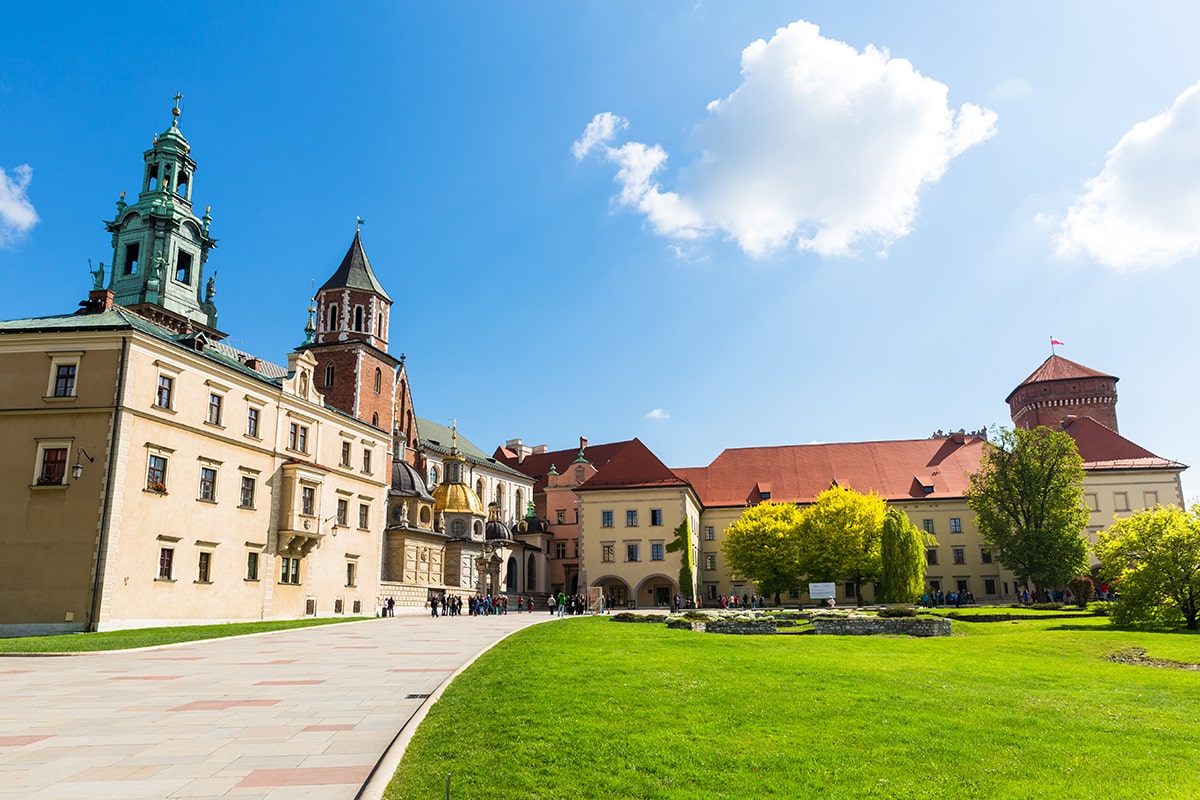
Within the sacred walls of Wawel Cathedral lies one of Poland’s most revered sites, the Royal Crypts. Here, the country’s most influential figures have been laid to rest for over 900 years. From medieval monarchs to independence heroes and romantic poets, each tomb tells a story of courage, faith, and national pride.
The Royal Tombs: Poland’s Monarchs
The cathedral’s lower chambers house generations of kings and queens who ruled during Poland’s formative centuries. Their marble sarcophagi and ornate coffins reflect the artistic styles of their time, while inscriptions remind visitors of their contributions to the nation’s history.
| Name | Reign / Contribution |
| King Władysław I the Elbow-high | Reunited fragmented Polish lands and crowned in 1320, the first monarch buried at Wawel. |
| King Casimir III the Great | Known for his reforms and fortifications, he expanded Wawel Castle into a royal seat. |
| King Sigismund I the Old | Patron of the Renaissance era, his reign marked Wawel’s architectural golden age. |
| King Sigismund II Augustus | The last Jagiellonian ruler, remembered for cultural prosperity and political unity. |
National Heroes of Independence
After the fall of Poland’s monarchy, Wawel Cathedral remained a place of symbolic continuity. In the 20th century, it became the resting place of national heroes who fought for the country’s freedom and sovereignty. Their tombs stand beside those of the kings, reflecting a shared legacy of sacrifice and leadership.
- Tadeusz Kościuszko – Military leader of the 1794 uprising and hero of both Poland and the United States.
- Józef Piłsudski – Founder of modern Poland and key figure in the nation’s independence after World War I.
- Władysław Sikorski – Prime Minister of the Polish government-in-exile during World War II.
Poets and the Soul of the Nation
Wawel’s crypts also honor the voices of Poland’s cultural spirit, the Romantic poets whose words kept hope alive during times of occupation. Their burials within royal grounds symbolize the unity of art and patriotism in Polish identity.
| Poet | Legacy |
| Adam Mickiewicz | Author of “Pan Tadeusz,” a national epic celebrating Polish resilience and identity. |
| Juliusz Słowacki | Romantic poet known for patriotic and mystical works reflecting the Polish soul. |
| Czesław Miłosz | Nobel Prize-winning poet, buried in 2004, linking Wawel’s legacy to modern Poland. |
A Place of Memory and Meaning
Every crypt beneath Wawel Cathedral represents a chapter of Poland’s story from medieval crowns to modern revolutions. Visitors who descend into these quiet chambers enter a space where history, faith, and culture converge. The echoing corridors remind every pilgrim that Poland’s greatness was built not only on kings and wars, but on vision, poetry, and enduring hope.
- Access: Entrance via the Wawel Cathedral (part of ticketed sections).
- Etiquette: Silence is required and photography is not permitted.
- Tip: Visit early morning to experience the crypts in peaceful solitude.
To stand among these tombs is to walk through the pages of Polish history, a timeless tribute to the rulers, heroes, and poets who shaped the nation’s heart beneath the stones of Wawel Hill.