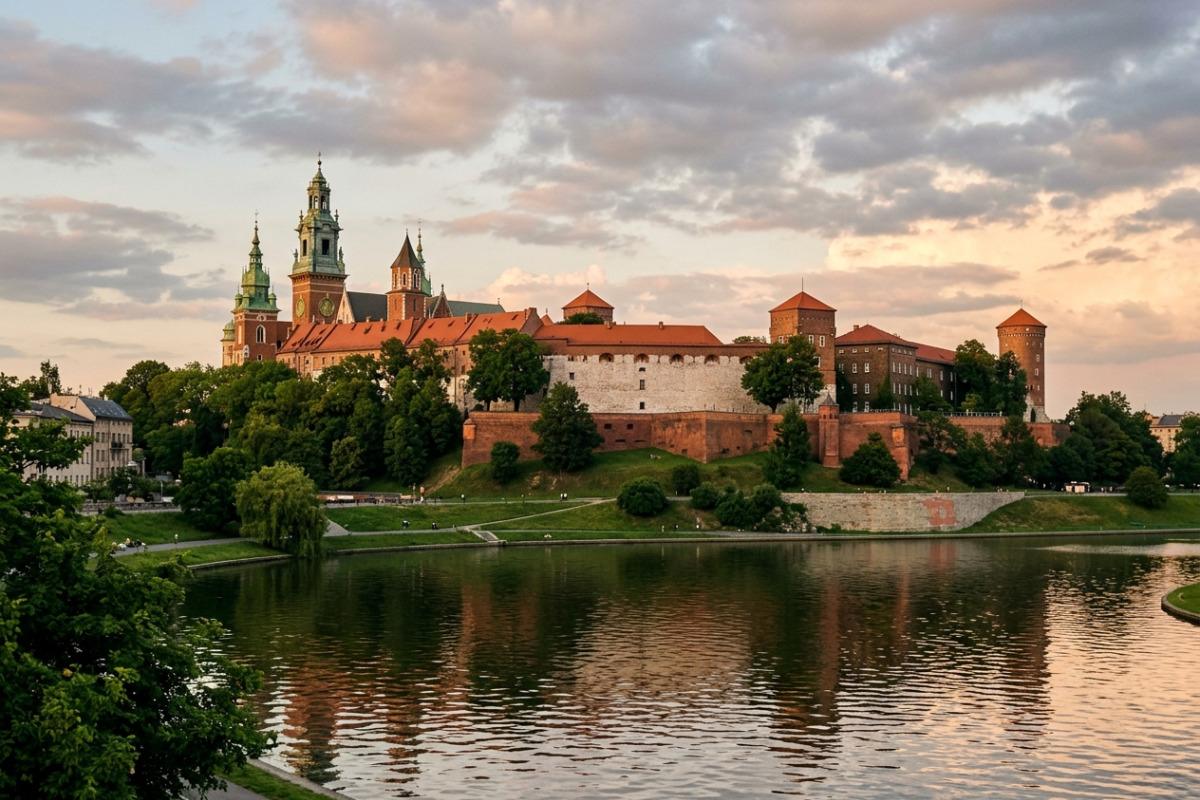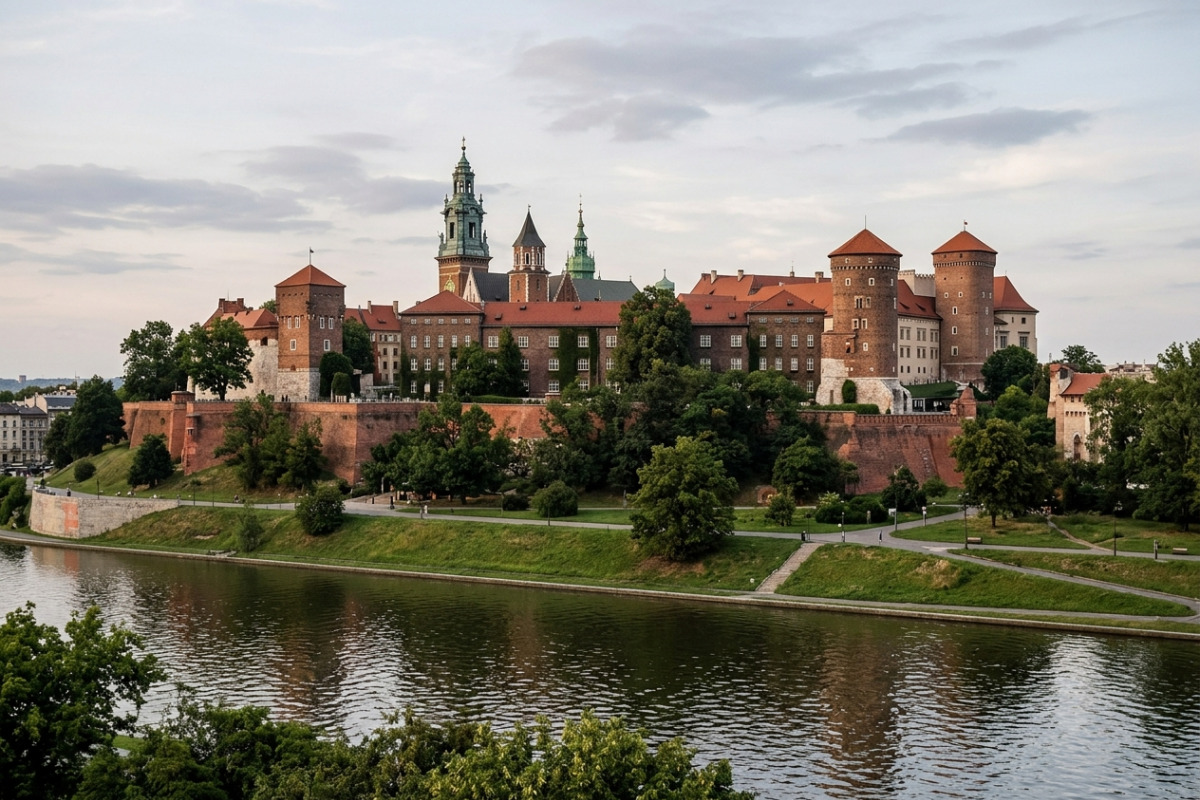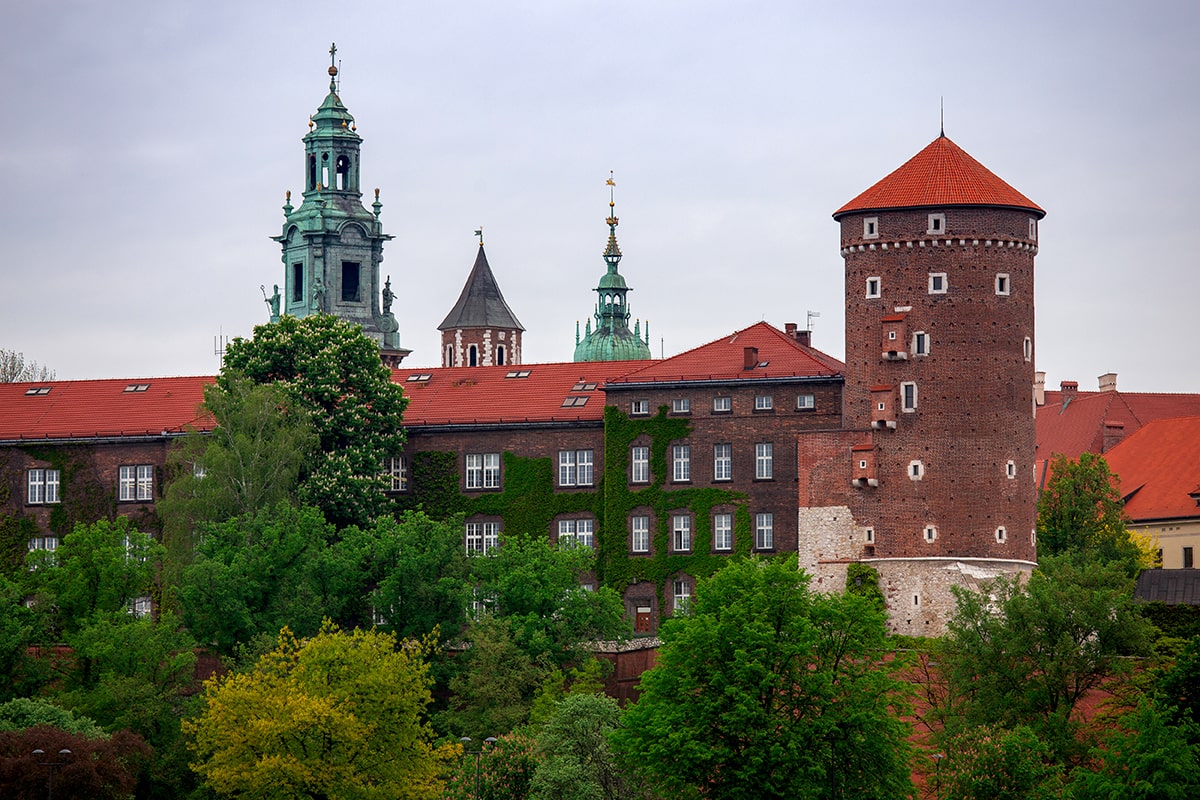
Few places in Poland inspire as much intrigue as the hidden world beneath Wawel Hill. While millions of visitors admire the castle’s courtyards and towers, few realize that a complex network of tunnels, crypts, and underground chambers lies below. These passages carry stories of faith, royalty, and myth from secret royal burials to mysterious escape routes carved into the limestone hill.
The Royal Crypts of Wawel Cathedral
At the heart of the underground world lies the Cathedral Crypts sacred burial chambers where Poland’s kings, queens, and national heroes rest. These tombs are among the most historically significant places in the country, symbolizing centuries of continuity and national pride.
| Notable Burial | Role / Era |
| King Casimir III the Great | Reigned 1333–1370; expanded Wawel Castle and modernized Poland. |
| King Sigismund III Vasa | Renaissance monarch known for moving the capital to Warsaw. |
| Marshal Józef Piłsudski | 20th-century leader and symbol of Poland’s independence. |
The Royal Crypts not only preserve Poland’s monarchs but also its poets and patriots like Adam Mickiewicz and Juliusz Słowacki making this subterranean world a place where art, history, and national identity meet.
Concealed Tunnels and Secret Passages
Legends suggest that a maze of underground tunnels once connected different sections of Wawel Hill. Some of these passages may have served as escape routes during sieges or secret corridors linking the castle, cathedral, and nearby riverbank. Archaeologists have discovered traces of such tunnels, though many remain sealed or unexplored due to safety concerns.
- Defensive Corridors: Used by guards during medieval sieges to move unseen beneath the walls.
- Storage Chambers: Hidden vaults where royal treasures and archives were once kept.
- Spiritual Passageways: Some tunnels led directly to chapel crypts used by clergy and royal families.
The Mystery of the Dragon’s Den Connection
One of the most famous legends claims that the Dragon’s Den the cave at the base of the hill, connects to deeper tunnels beneath the castle. Although no direct passage has been proven, explorers in past centuries have found small connecting caverns that hint at the myth’s real geological roots. These natural formations add to the mystery and romance surrounding Wawel’s underground world.
Exploring Today’s Accessible Areas
Visitors can explore parts of Wawel’s subterranean history today. Guided tours occasionally include access to select crypts within the cathedral, offering a solemn and powerful experience. The Dragon’s Den remains the most popular accessible section, inviting visitors to walk through the limestone cave and emerge beside the river just as the legendary dragon once did.
- Access: Cathedral crypts (via guided tours), Dragon’s Den (April–October).
- Tip: Wear comfortable shoes as tunnels can be steep and uneven.
- Photography: Usually prohibited inside the crypts to preserve the atmosphere.
What Lies Beneath
Every layer beneath Wawel Hill tells a story of monarchs and martyrs, myths and memories. The hidden crypts preserve Poland’s soul, while the tunnels whisper of times when the castle guarded more than gold, it protected the nation’s very identity. Standing above these silent chambers, visitors walk on centuries of secrets waiting to be rediscovered.