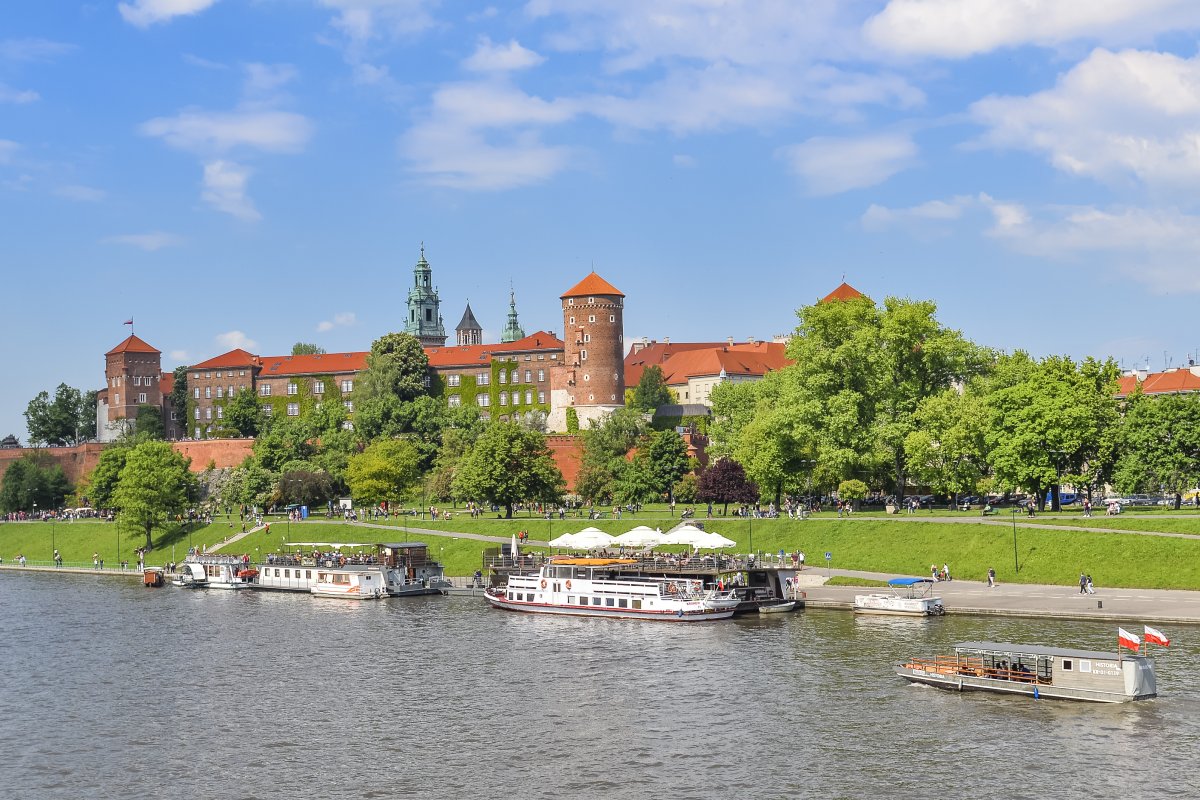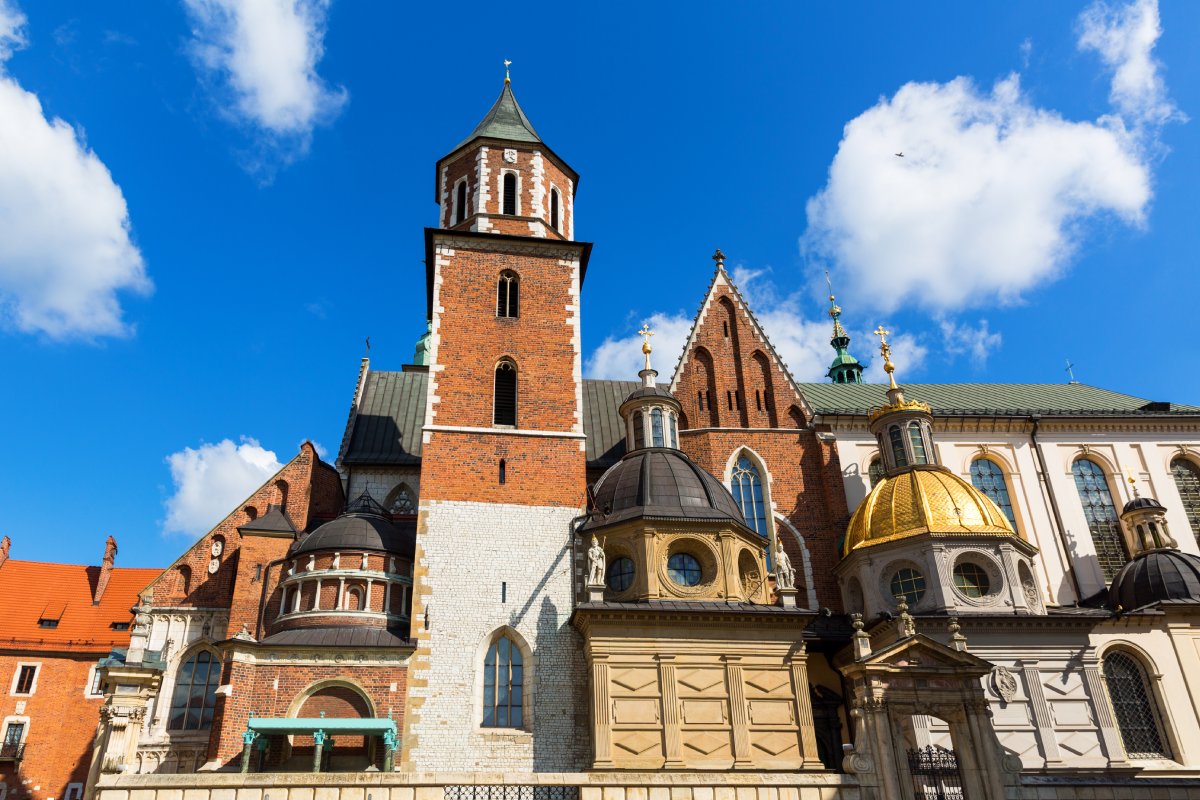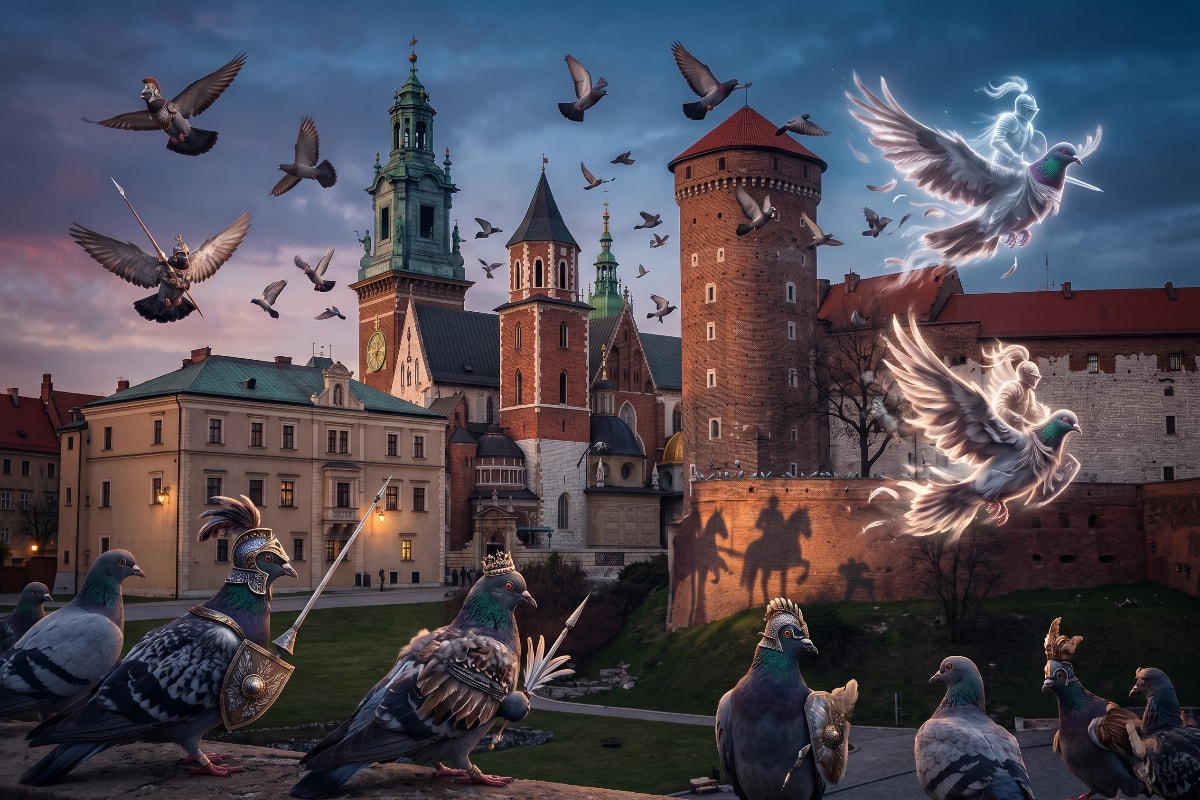
When you step onto the cobblestones of Wawel Hill, the first thing you might notice isn’t just the towering spires of the cathedral or the expansive Renaissance courtyard; it is the fluttering of wings. Hundreds of pigeons patrol the grounds, cooing from the rooftops and strutting boldly among tourists. While visitors in other cities might dismiss these birds as mere urban nuisances, the pigeons of Krakow hold a status that commands respect. According to local folklore, these are no ordinary birds scavenging for crumbs. They are, in fact, an enchanted army of noble knights, trapped in feathered bodies for centuries, waiting for a promise that was broken long ago.
The atmosphere of Krakow is steeped in myths, from dragons in caves to bugle calls cut short, but the legend of the Wawel pigeons is perhaps the most poignant. It speaks of ambition, magic, greed, and an eternal wait. As you plan your journey to this historic site, knowing the story behind these winged guardians transforms a simple walk through the castle grounds into a mystical experience. Before you Book Now for your tour, take a moment to understand why you should never chase away the birds of Wawel.
The Ambition of Duke Henryk IV Probus
The story takes us back to the 13th century, a turbulent time in Polish history. Poland was fragmented into numerous principalities, each vying for power. The Church, and specifically the Pope, held significant sway in legitimizing rulers. Duke Henryk IV Probus, the ruler of Krakow and Wroclaw, was a man of immense ambition and intellect. He dreamed of reuniting the fractured Polish lands and crowning himself King. However, in the medieval world, ambition alone was not enough; one needed the blessing of the Pope in Rome, and more importantly, a significant amount of gold to secure that blessing and organize a coronation worthy of a king.
The Duke’s treasury, unfortunately, was nearly empty due to constant wars and the cost of maintaining his realm. Desperate to fulfill his destiny and unite the country, Henryk sought a solution that went beyond the mortal realm. He turned to an old sorceress who lived near Krakow, known for her dark but powerful magic. He pleaded for financial aid, willing to sacrifice almost anything to see the crown upon his head. The witch agreed to help him, but as with all magic, it came with a heavy price and a strict condition.
The Witch’s Pact and the Transformation
The sorceress proposed a plan that would grant Henryk the gold he needed immediately. She would transform his loyal knights into pigeons. In this new form, the knights would peck at the stone towers of the castle. As pieces of masonry fell to the ground, the magic would turn the rubble into pure gold coins. The Duke could then gather this wealth, travel to Rome, secure his coronation, and return as the anointed King of Poland.
However, the spell was bound by a crucial caveat. The knights would only regain their human form when Henryk returned to Krakow wearing the crown. Until that day, they were destined to remain as birds, guarding the hill. Henryk, blinded by the prospect of kingship, agreed without hesitation. In an instant, the courtyard was filled with the sound of rustling feathers and cooing. His brave army vanished, replaced by a flock of pigeons that immediately began their work. Soon, the Duke’s coffers were overflowing with magical gold.
The Tragic Journey to Rome
With his saddlebags heavy with gold, Henryk IV Probus set off for Italy, leaving his enchanted army behind. The journey was long, but the Duke was optimistic. However, the closer he got to Rome, the more his discipline wavered. The legend says that Henryk, known for his love of revelry, began to spend the gold lavishly along the way. He indulged in feasts, stayed in the finest palaces, and showered gifts upon new allies. By some accounts, he never even reached the Pope; by others, he was poisoned just as he was nearing his goal.
Regardless of the specific historical details of his death in 1290, the outcome for the knights was the same: Henryk never returned to Krakow with the crown. The condition of the spell could not be met. The gold was gone, the Duke was dead, and the loyal soldiers who had sacrificed their humanity for their leader were trapped forever. They remain on Wawel Hill to this day, an army in feathers, eternally waiting for a king who will never come home.
Identifying the Enchanted Knights Today
When you visit the castle today, observing these birds offers a connection to this sad tale. Visitors often note that the Wawel pigeons behave differently than those in the Main Market Square. They seem more regal, more demanding of respect, and oddly fearless. You might notice them gathering near the former royal stables in the early morning, perhaps reminiscing about their days as steeds themselves. Locals will often tell children not to scare them, for they might be disturbing the slumber or the patrol of a medieval knight. Exploring the various Sections of the castle complex with this legend in mind adds a layer of depth to the visual splendor of the architecture.
While you cannot speak to them, you can observe their hierarchy. Some folklore enthusiasts claim that the pigeons with the most iridescent neck feathers were the highest-ranking officers of Henryk’s army. Whether you believe the magic or not, the presence of these birds is integral to the spirit of the hill. They are the unofficial guardians of the Royal Castle, witnessing centuries of history, fires, wars, and millions of tourists, just as they once watched for their Duke.
As the Polish poet Cyprian Kamil Norwid wrote, "Wawel is not just a castle, it is the soul of Poland." This sentiment is embodied in the enduring legend of the pigeons, a reminder of sacrifice and unfulfilled dreams.
The Legend vs. The Visitor Experience
To help you distinguish between the myths and the practicalities of your visit, here is a quick guide to understanding the Wawel environment:
| Feature | The Legend | Visitor Reality |
| The Pigeons | Cursed 13th-century knights waiting for the King. | Protected birds that are part of the castle's ecosystem. DO NOT feed them excessively. |
| The Gold | Created from stone chips pecked by the birds. | The real treasures are in the Crown Treasury and Armory exhibitions. |
| The Curse | Broken only by the return of Henryk IV with a crown. | A beautiful story that explains the high density of birds on the hill. |
| Behavior | Noble, sorrowful, and disciplined. | They can be aggressive with food; keep snacks packed away! |
Planning Your Visit to the Castle
If you want to walk among these enchanted knights and see the grandeur of the residence they died to protect, proper planning is essential. Wawel Castle is a sprawling complex with multiple exhibitions, including the State Rooms, the Royal Private Apartments, and the Crown Treasury. Since this is one of Poland's top attractions, queues can be long, especially during peak seasons or sunny winter days like we are seeing in January 2026.
To ensure you have ample time to explore without rushing, it is highly recommended to purchase Skip-The-Line Tickets in advance. This allows you to bypass the ticket office queues and head straight to the entrance gates. Remember that the cathedral, where many Polish kings are actually buried (though not our tragic Duke Henryk), is a separate entity but located within the same courtyard where the pigeons flock.
- Best Time to Spot the Flock: Early mornings are magical. The courtyard is quieter, and the pigeons often gather in large groups on the pavement.
- Photography: The contrast of the grey/blue pigeons against the red brick and white stone of the castle makes for stunning photos.
- Respect the Rules: While the legend is charming, modern conservation rules apply. Please check the Visiting Information for rules regarding feeding animals and interacting with wildlife on the hill.
The Legacy of the Story
The legend of the Wawel pigeons is more than just a fairy tale; it is a reflection of the Polish spirit—romantic, tragic, and fiercely loyal. It reminds us that history is not just found in the gold artifacts or the tapestries hanging in the museum Sections, but also in the living, breathing atmosphere of the place. The next time a pigeon crosses your path on Wawel Hill, do not shoo it away with annoyance. Instead, offer a nod of respect to the knight inside, still keeping his vigil after nearly 800 years.
For those interested in more practical details about accessibility, opening hours, or what items are allowed inside the exhibitions, be sure to consult the FAQ page before your arrival. Whether you are there for the history, the art, or the legends, Wawel Castle offers an unforgettable glimpse into the soul of Poland. Buy Tickets today and step into a world where history and magic are inseparable.