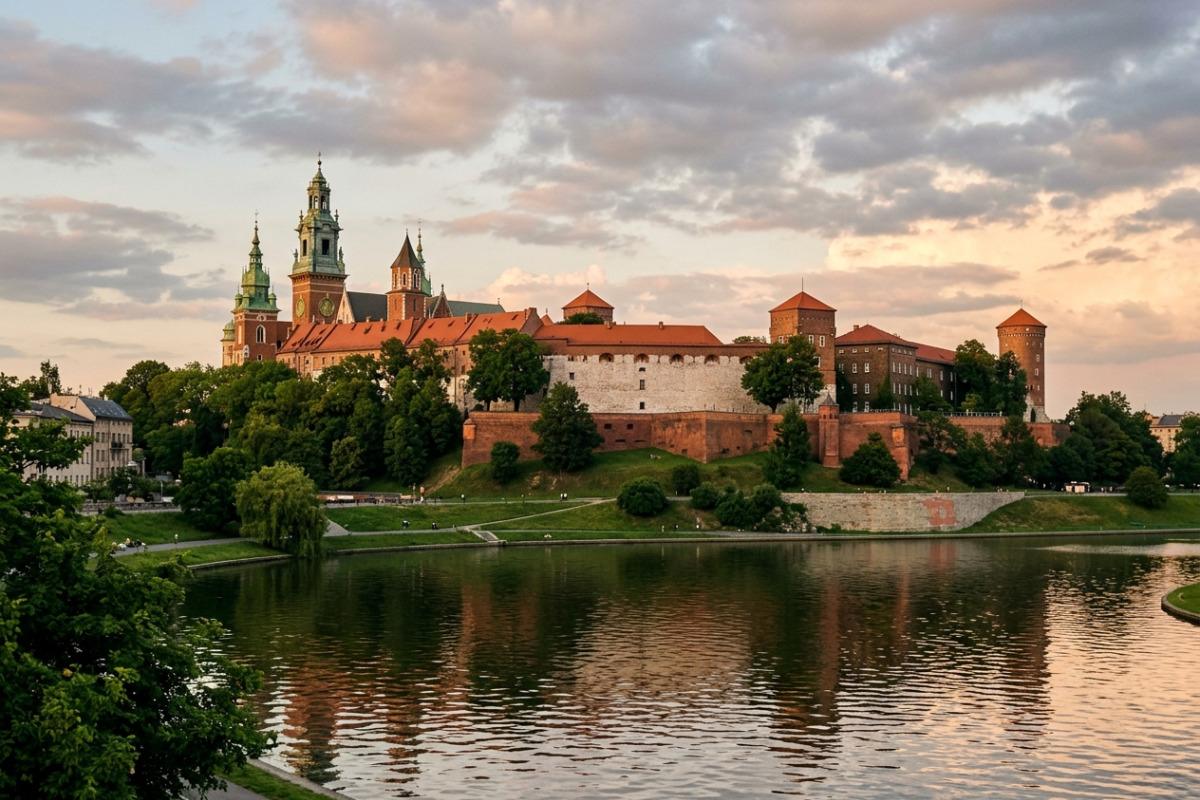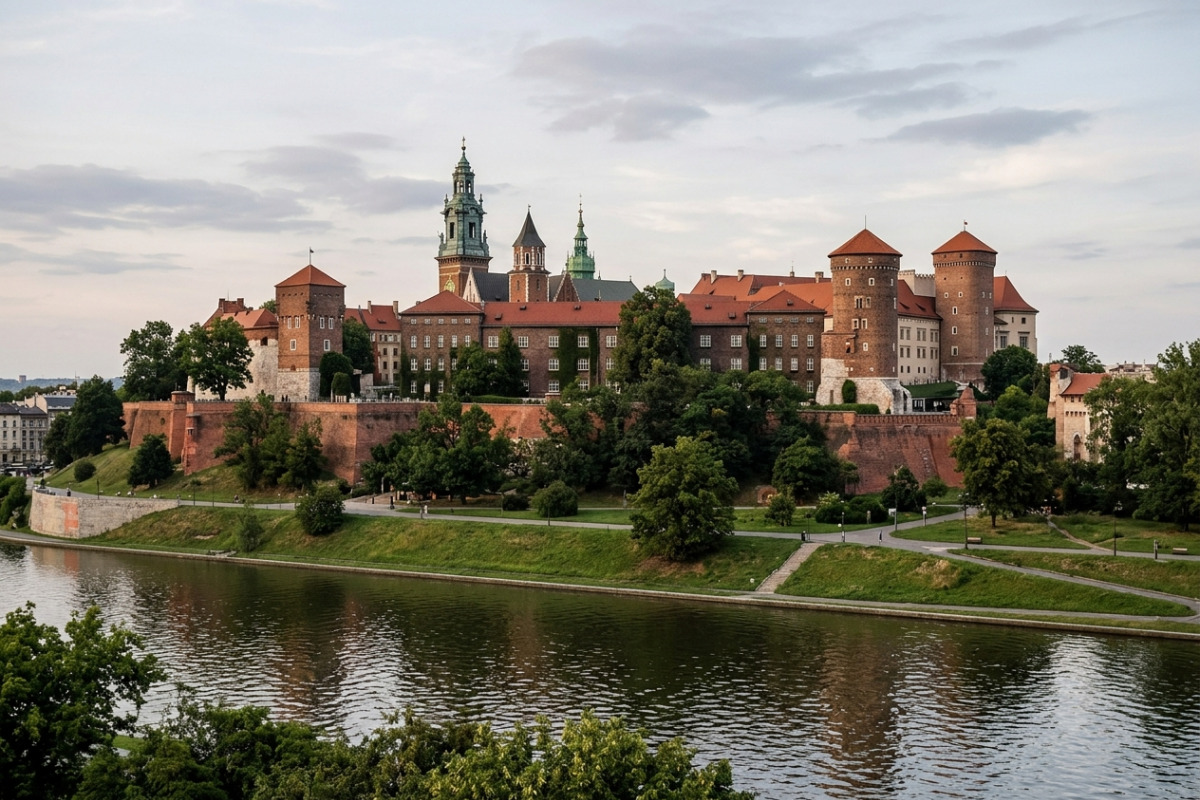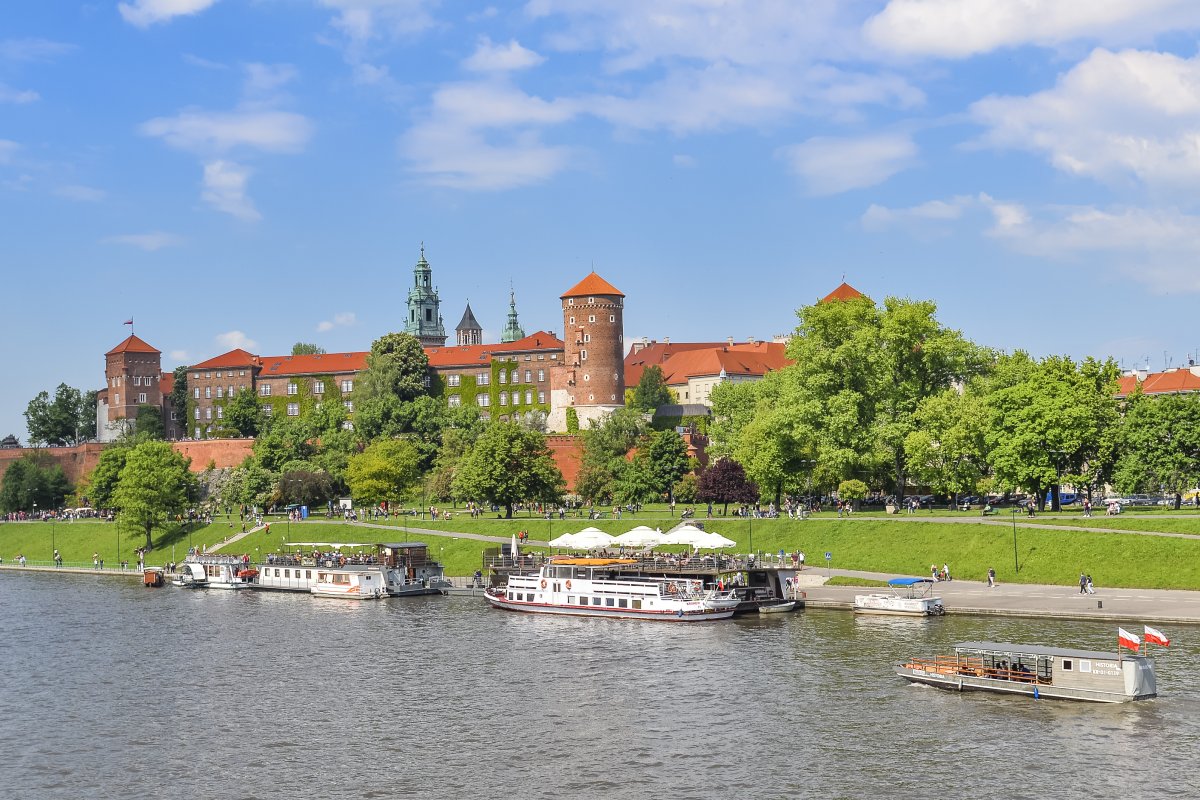
When visitors walk through the majestic courtyards of Wawel Castle today, admiring the Renaissance arcades and the solemn beauty of the cathedral, few realize that beneath the veneer of royal pomp, this residence was once a hotbed of occult sciences. The air in the late 16th century didn't just smell of incense and roasting meats; in the private chambers of the monarch, it smelled of sulfur, mercury, and burning coal. This was the domain of Sigismund III Vasa, a ruler remembered by history books for his politics, but known in the shadows as the "Alchemist King."
While the modern traveler sees a beautifully preserved UNESCO World Heritage site, the walls whisper stories of a time when the boundary between science and magic was dangerously thin. Sigismund wasn't merely a patron of the arts; he was an active participant in the quest for the ultimate secrets of the universe. To understand the true spirit of Wawel, one must look past the tapestries and imagine the flickering light of a furnace where a king sought to turn lead into gold.
Before delving into Sigismund's alchemical pursuits, it's important to understand the context of alchemy itself. Rooted in ancient traditions from Egypt, Greece, and the Islamic world, alchemy was a complex blend of philosophy, mysticism, and practical experimentation. Alchemists sought not only to transmute base metals into gold but also to discover the secrets of immortality and spiritual enlightenment. Figures like Hermes Trismegistus and Jabir ibn Hayyan (Geber) were revered as foundational figures, their texts forming the basis of alchemical knowledge for centuries.
A Monarch of Two Worlds: Politics and Potions
Sigismund III Vasa was a complex figure. As the King of Poland and Grand Duke of Lithuania (and later King of Sweden), he carried the weight of nations on his shoulders. He was a devout Catholic, a staunch defender of the faith, and a political maneuverer. Yet, once the court was dismissed and the heavy oak doors were bolted, he shed his royal robes for a leather apron. His passion for alchemy was so profound that it often drew criticism from the nobility, who felt he spent more time peering into crucibles than attending to state affairs.
It is fascinating to consider the duality of his existence. In the public eye, he was managing wars and alliances. In private, he was collaborating with some of the most mysterious figures of Europe, including the legendary alchemist Michael Sendivogius. If you are planning to walk these same halls, you can find more about the layout of the royal chambers in the castle sections guide, which helps visualize where these clandestine activities might have taken place.
The Quest for the Philosopher's Stone
The ultimate goal for any alchemist of the era was the Magnum Opus—the creation of the Philosopher's Stone. This legendary substance was believed to be capable of transmuting base metals into noble gold and, perhaps more seductively, creating the Elixir of Life, which promised immortality. Sigismund was obsessed. He poured vast fortunes into purchasing rare minerals, ancient manuscripts, and strange apparatuses.
Wawel Castle became a magnet for charlatans and geniuses alike. They promised the King the secrets of the universe in exchange for funding. However, Sigismund was knowledgeable enough to distinguish some fraud from genuine experimentation. He wasn't just watching; he was mixing, heating, and observing. This was the dawn of chemistry, disguised in the robes of mysticism.
The Royal Laboratory: A Hub of Occult Science
Historical accounts suggest that the King’s laboratory was situated in the northern wing of the castle. Imagine a room filled with glass retorts, bubbling liquids, and shelves lined with jars containing everything from dried herbs to powdered gems. It was here that the King and Sendivogius allegedly performed a successful transmutation, turning a silver coin into gold—a legend that persists in Polish folklore to this day.
To understand the difference between the King's public life and his private obsession, consider the distinct nature of his daily activities:
| Public Royal Duties | Private Alchemical Pursuits |
| Holding court and receiving diplomats | Conducting experiments with mercury and sulfur |
| Managing the treasury and military | Funding the search for the Philosopher's Stone |
| Promoting Catholicism (Counter-Reformation) | Studying hermetic texts and occult symbolism |
| Renovating Wawel's architecture | Building furnaces and distillation equipment |
The Fire of 1595: An Experiment Gone Wrong?
The most dramatic chapter in the Alchemist King's story occurred in 1595. It is a year etched into the history of Krakow, not for a battle, but for a blaze. According to chronicles, a fire broke out in the northern wing of Wawel Castle. While official reports might have blamed a simple accident, whispers in the streets of Krakow told a different story: an alchemical experiment had gone catastrophically wrong.
Legend has it that during an intense procedure involving high heat and volatile chemicals, a furnace exploded or a vessel shattered, igniting the room. The fire spread rapidly, consuming a significant portion of the royal residence. The smoke billowing over the Vistula River was seen as a bad omen by the superstitious populace.
This event had profound consequences:
- Destruction of Art: Priceless treasures and parts of the Renaissance structure were lost to the flames.
- The Move to Warsaw: While political centralization was the primary driver, historians argue that the devastation of Wawel accelerated Sigismund's decision to move the royal court from Krakow to Warsaw in 1596. The castle was simply uninhabitable in the immediate aftermath.
- Architectural Shift: The subsequent rebuilding of Wawel introduced early Baroque elements, changing the castle's aesthetic forever.
For those interested in seeing the areas that were rebuilt after this catastrophe, checking the visiting information is essential to plan your route through the State Rooms.
The Legacy of Curiosity
Was Sigismund III Vasa a madman? Far from it. In the context of the late 16th and early 17th centuries, alchemy was the cutting edge of science. It was the precursor to modern chemistry. His experiments contributed to the understanding of metallurgy and chemical reactions, even if the ultimate goal of gold transmutation remained a fantasy.
Today, Wawel Castle stands as a testament to this layered history. It is not just a museum of static objects; it is a monument to human curiosity. As you explore the chambers, try to spot the subtle signs of its past. The castle is incredibly popular, so it is highly recommended to buy tickets online in advance to ensure you have ample time to soak in the atmosphere without rushing.
Practical Tips for the Modern Explorer
If you are captivated by the story of the Alchemist King and wish to visit Wawel, here are a few things to keep in mind:
- Look for the Details: When visiting the Royal Private Apartments, pay attention to the decor. While the original lab is gone, the atmosphere of the era remains.
- Guided Tours: Audio guides or human guides often share anecdotes about the fire and the King's hobbies that aren't on the placards.
- Timing: The castle grounds are beautiful at sunset. It’s easy to imagine the glow of the alchemist's furnace against the darkening sky.
For any specific questions about accessibility or tour lengths, the FAQ page is a great resource. Exploring the legacy of Sigismund III Vasa offers a unique glimpse into a time when a King could be both a ruler of men and a student of the mysteries of matter. It reminds us that history is never just black and white—sometimes, it’s the color of gold, hidden in the smoke of a royal fire.