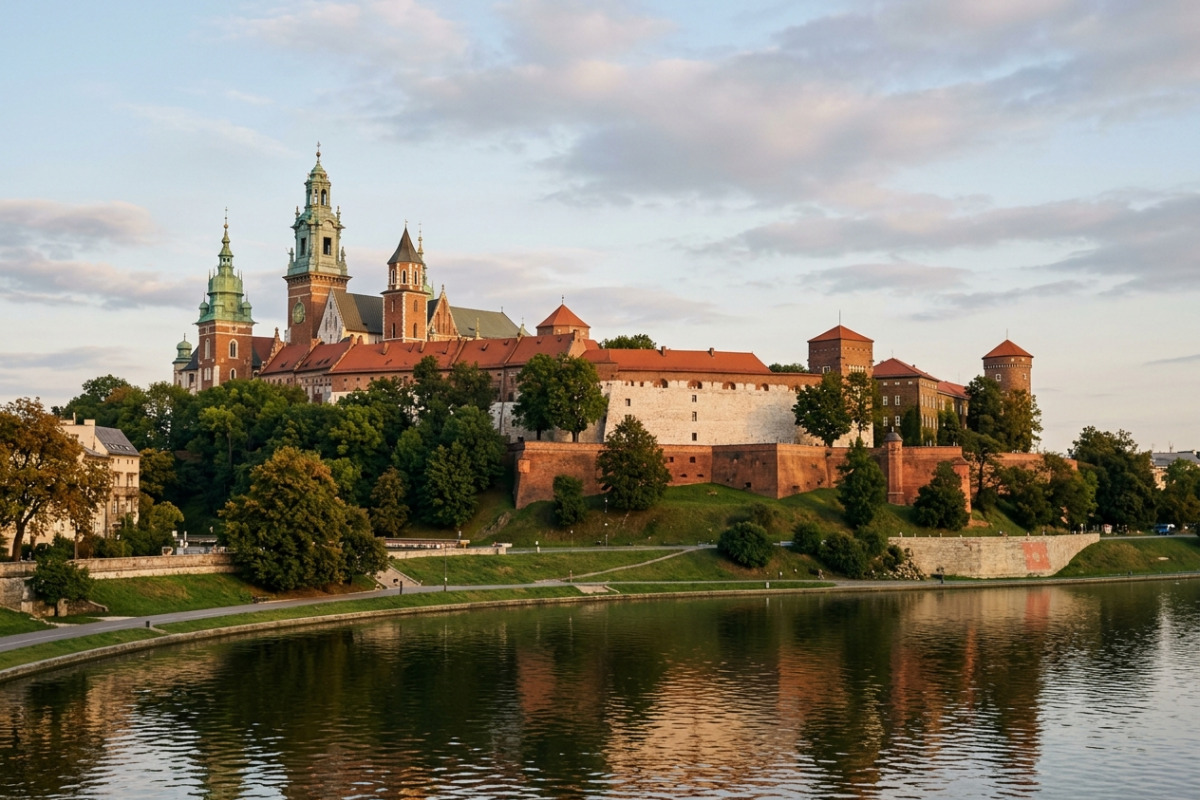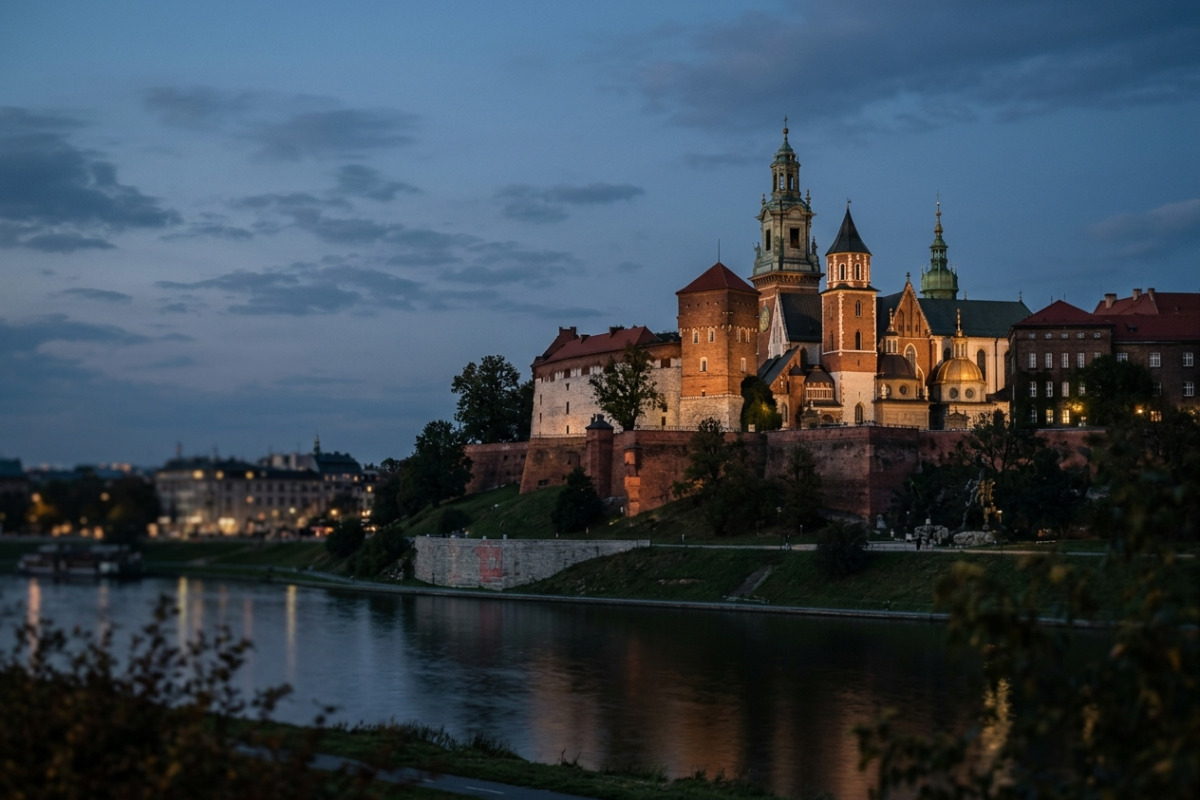
The architecture of Wawel Castle tells the story of Poland’s royal power and artistic ambition. Over the centuries, it has evolved from a fortified Gothic stronghold into a masterpiece of Renaissance design. Each façade, courtyard, and chapel reveals how European architectural styles blended with Polish craftsmanship to create one of Central Europe’s most remarkable royal residences.
The Gothic Foundations
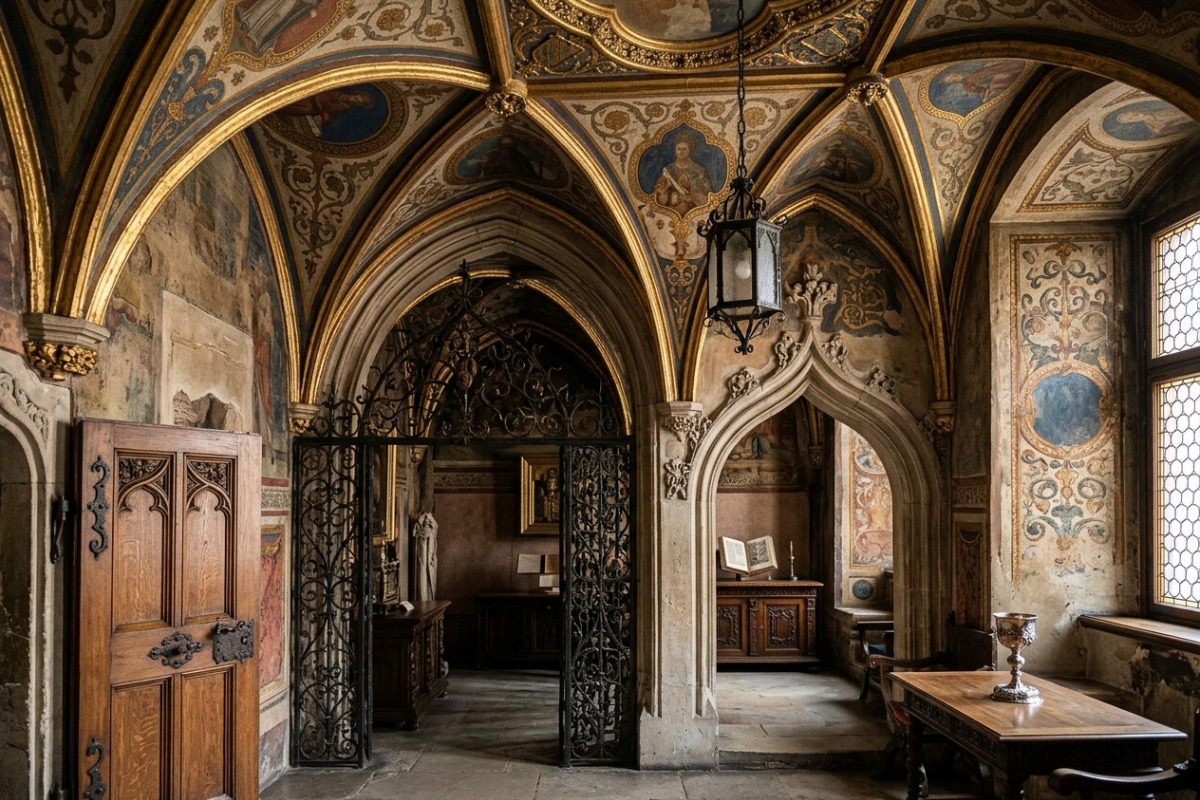
The earliest parts of Wawel Castle were built in the 14th century under King Casimir III the Great. Massive stone walls, pointed arches, and ribbed vaults defined the Gothic structure, reflecting the military and religious power of the Polish crown. Key examples from this period include the Wawel Cathedral’s chapels and the remains of medieval defensive towers. The design emphasized height, symmetry, and light reflecting divine authority and royal prestige.
The Renaissance Transformation
In the early 16th century, the castle underwent a dramatic transformation under King Sigismund I the Old. Influenced by Italian architects such as Francesco Fiorentino and Bartolomeo Berrecci, Wawel became a symbol of the Renaissance in Northern Europe. The addition of elegant arcaded galleries, harmonious proportions, and open courtyards introduced a new architectural language, one that celebrated beauty, balance, and human creativity.
The Courtyard and Royal Apartments
The Renaissance courtyard remains one of Wawel’s most photographed highlights. Surrounded by graceful arcades and limestone columns, it served as the ceremonial center of royal life. The adjoining State Rooms and Private Apartments were adorned with carved ceilings, frescoes, and tapestries blending Polish decorative traditions with Italian artistry.
The Cathedral and the Sigismund Chapel
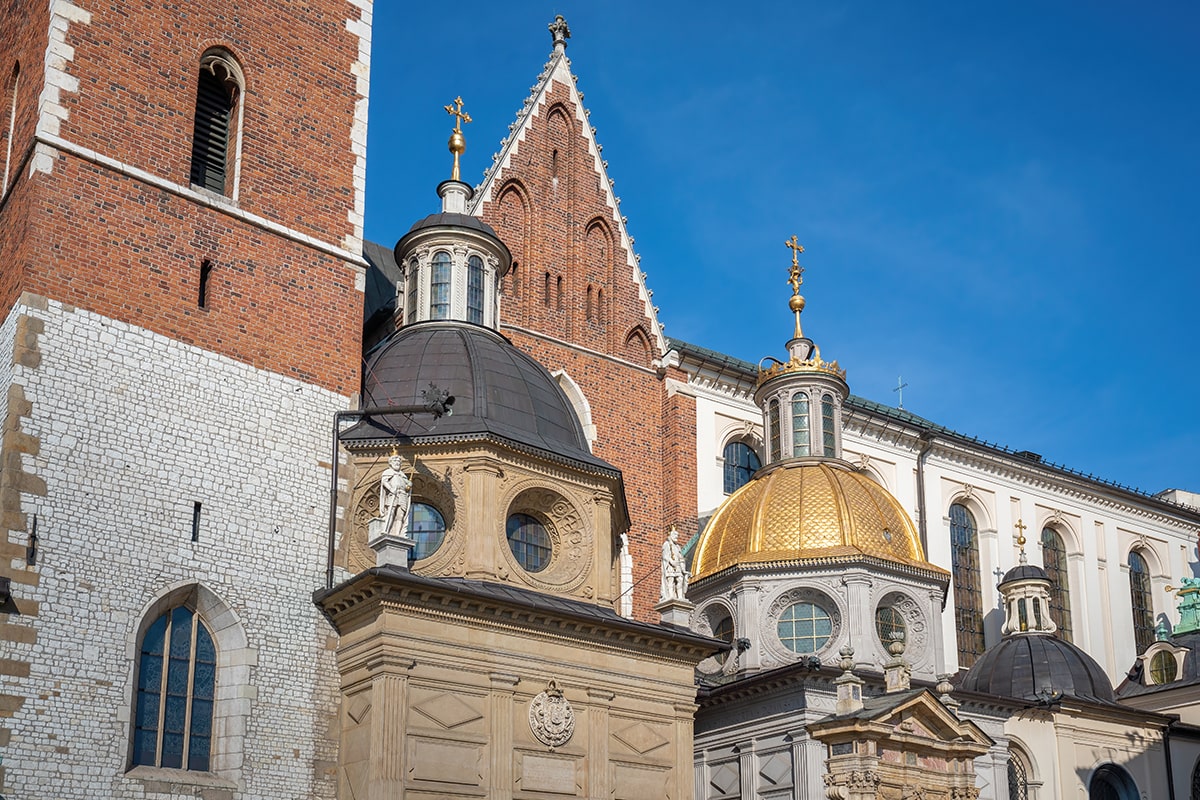
No visit to Wawel is complete without seeing the Sigismund Chapel for a perfect example of Renaissance harmony. Often called the “pearl of the Polish Renaissance,” this golden-domed chapel was designed by Berrecci as the royal mausoleum. Its marble sculptures, gilded details, and geometric precision stand beside Gothic chapels, creating a powerful visual dialogue between two eras.
Baroque and Later Influences
Later centuries introduced subtle Baroque elements and restoration efforts that preserved the site’s mixed heritage. While fires and invasions damaged parts of the complex, successive restorations in the 19th and 20th centuries faithfully revived its original Gothic and Renaissance character.
A Living Museum of Styles
Today, Wawel Castle is not just a monument but a living museum of European architecture. Visitors can walk from Gothic chapels to Renaissance courtyards, tracing the evolution of royal taste, religion, and identity. Each stone and archway tells a story of kings, architects, and artisans who built a legacy that still defines Krakow’s skyline.
Exploring the Gothic and Renaissance architecture of Wawel Castle is like walking through a journey across styles that together form the essence of Poland’s royal past.