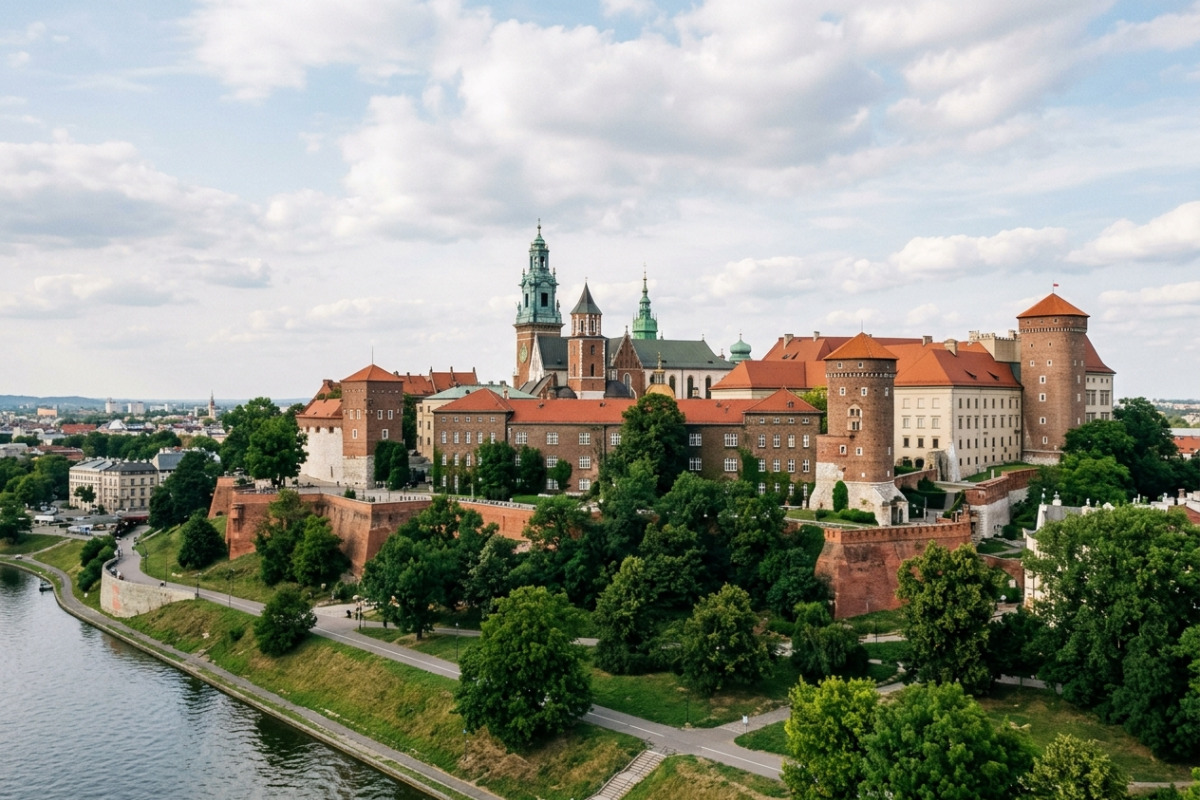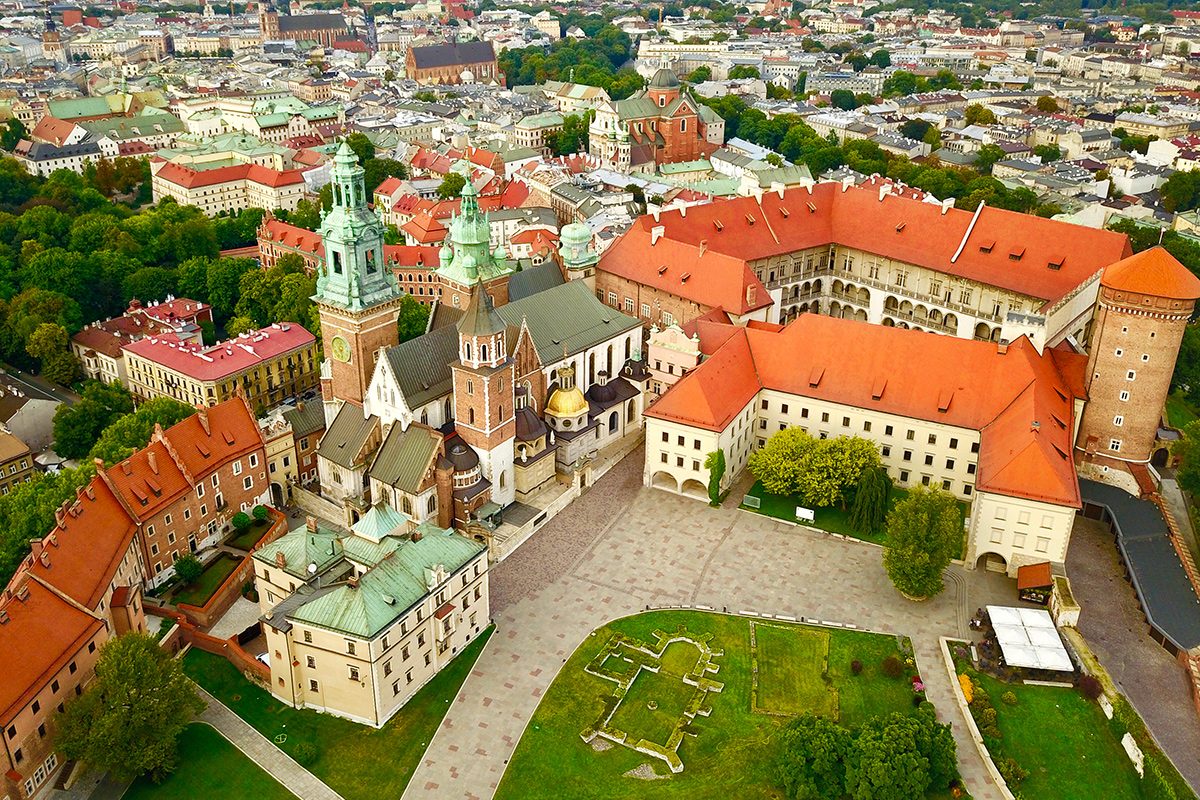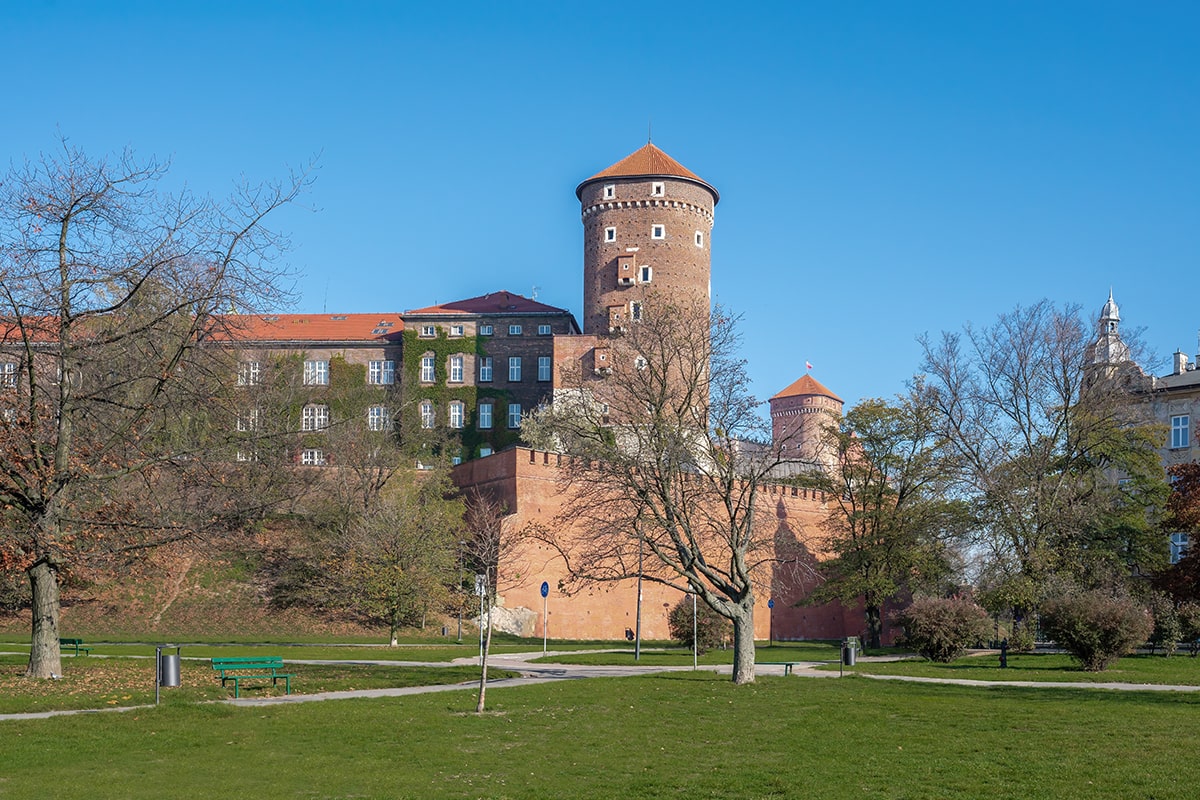
Inside Wawel Castle, beyond the massive gates and stone courtyards, lie the Royal Chambers, a magnificent series of rooms that once hosted the rulers of Poland. These chambers represent the pinnacle of Renaissance art and royal prestige, offering visitors a glimpse into centuries of political power and cultural refinement.
The Heart of Royal Life
The Royal Chambers served as the political and ceremonial center of the Polish monarchy. Here, kings received ambassadors, signed decrees, and hosted lavish banquets. Every detail reflects the sophistication and wealth of the Jagiellonian dynasty, which ruled during the castle’s golden age.
- Location: Upper floors of the castle’s eastern and northern wings.
- Architectural style: Renaissance, with Gothic elements preserved from earlier periods.
- Atmosphere: Grand yet intimate, blending political authority with royal elegance.
Highlights of the Royal Chambers
Each room inside the Royal Chambers tells a unique story about Poland’s rulers and their connections to Europe. Visitors can explore a range of spaces once used for official ceremonies, royal audiences, and private life.
| Room | What to See |
| Senators’ Hall | A grand chamber where royal councils met; known for its intricate wooden ceiling with carved heads. |
| Envoys’ Hall | Used for receiving foreign diplomats; features 16th-century tapestries depicting biblical scenes. |
| Audience Chamber | The official throne room; showcases Renaissance furniture and portraits of monarchs. |
| Queen’s Apartments | A private suite with delicate frescoes, textiles, and artifacts from royal daily life. |
The Famous Wawel Tapestries
One of the greatest treasures within the Royal Chambers is the collection of Flemish tapestries commissioned by King Sigismund II Augustus in the 16th century. Woven in Brussels and Antwerp, these massive works depict biblical stories, allegories, and lush animal motifs. Out of the original 160 pieces, over 130 survive today each a masterpiece of color, detail, and symbolic storytelling.
- Created: Between 1550–1560.
- Origin: Workshops of Willem de Pannemaker, Brussels.
- Material: Wool, silk, and gold thread.
Hidden Details and Symbolism
Look closely at the ceilings and friezes as they reveal symbolic carvings, astrological patterns, and moral allegories designed to reflect the divine authority of kingship. Many elements also reference Poland’s alliances with other European powers through heraldic emblems and mythological scenes.
Visiting the Royal Chambers
The Royal Chambers are part of the ticketed exhibitions at Wawel Castle. Entry is time-slotted, and tickets often sell out during peak season. Visitors should allocate about 60–90 minutes to explore all sections comfortably. Photography is usually restricted, but guided tours offer deeper insight into the artworks and restoration efforts.
- Duration: 1–1.5 hours for a full visit.
- Accessibility: Partial as some areas include stairs without elevators.
- Tip: Book tickets online in advance to secure your preferred time slot.
Where History Still Breathes
Walking through the Wawel Royal Chambers is like stepping back into the golden age of the Polish monarchy. The rooms that once echoed with royal decrees and diplomatic intrigue now stand as a tribute to Poland’s cultural brilliance and resilience. Every ceiling beam and tapestry thread reminds visitors that Wawel was not just a seat of power, it was, and still is, the beating heart of the nation’s history.