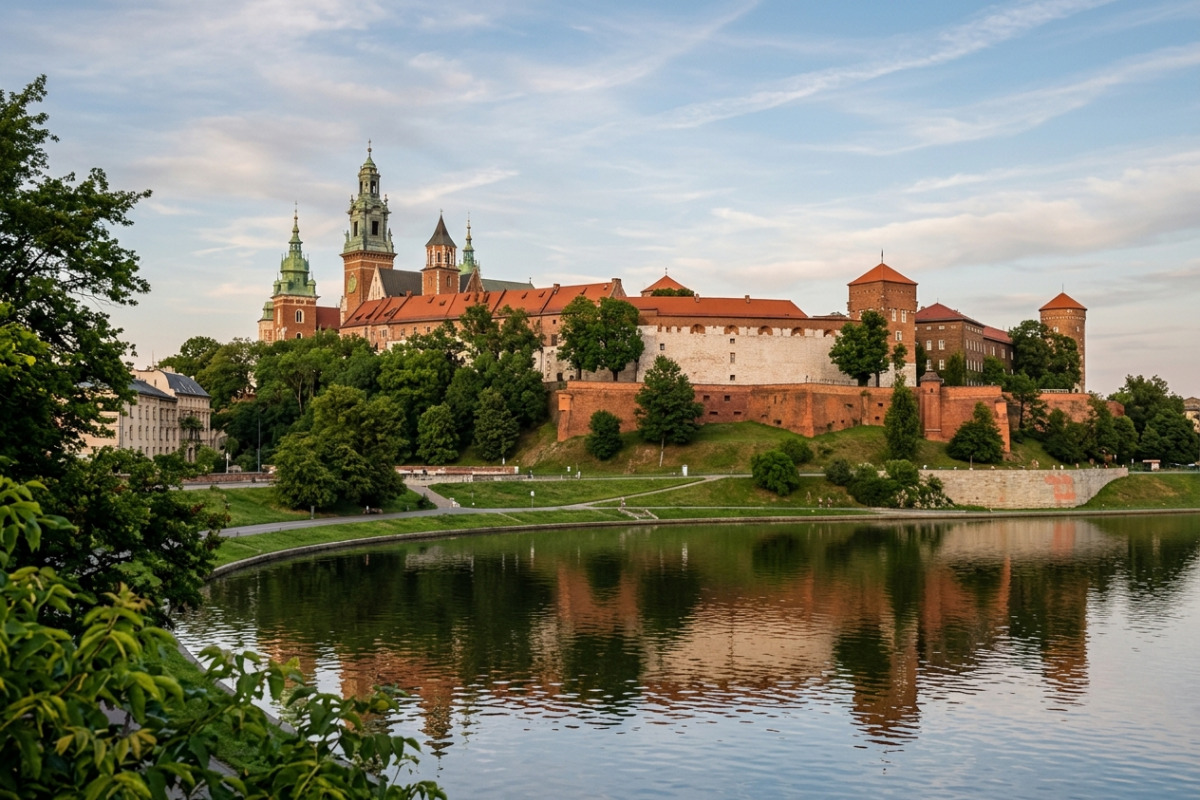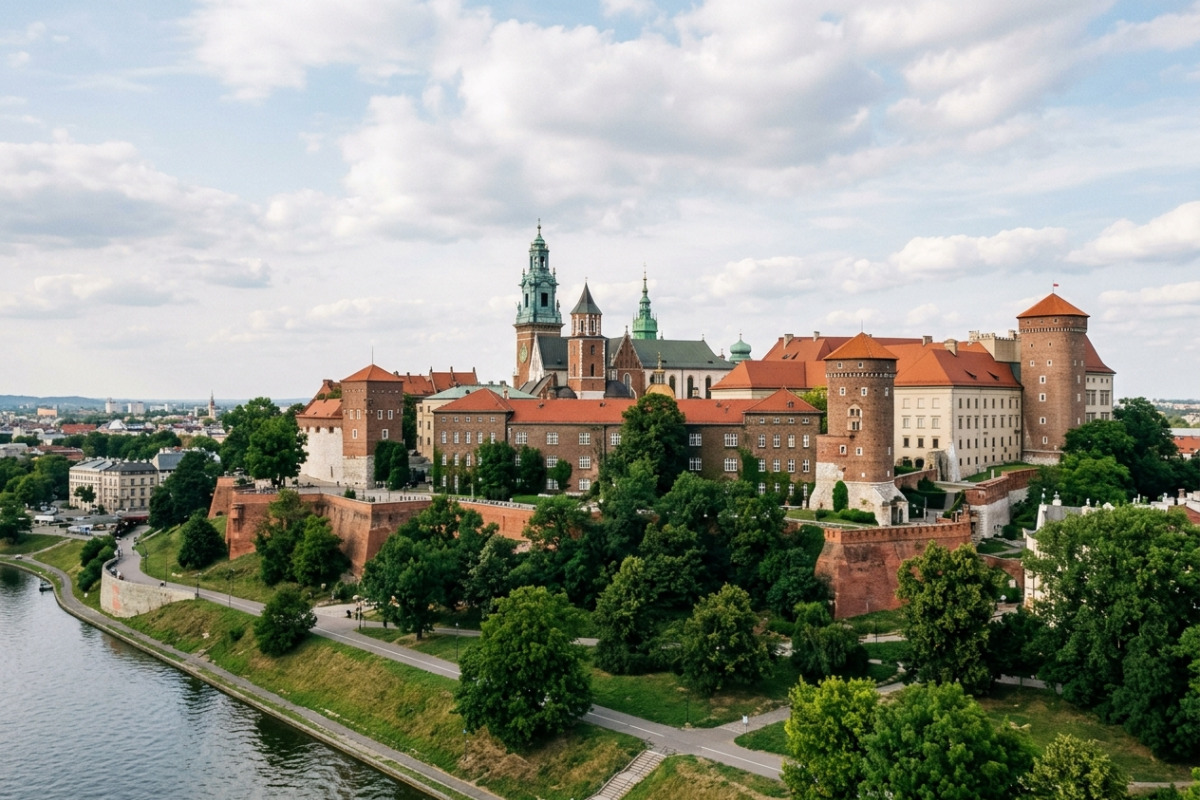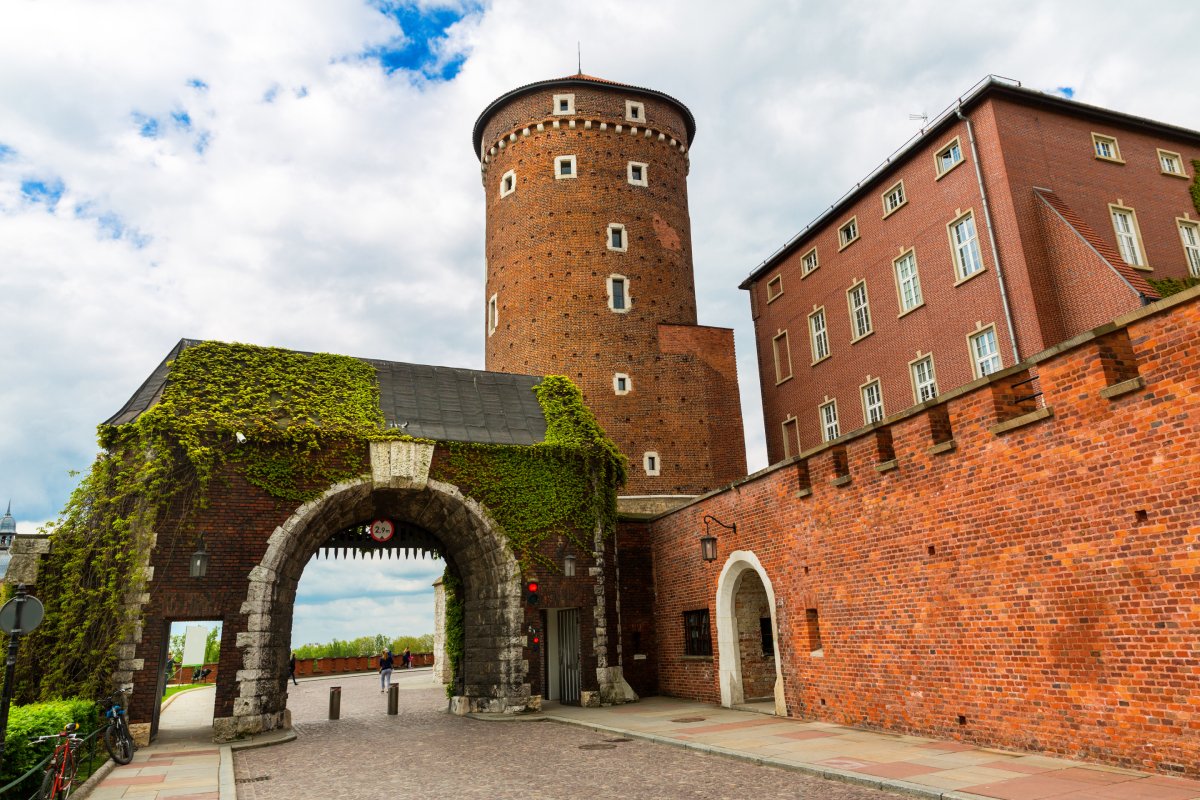
When you step through the gates of Wawel Hill, you are not just entering a Polish stronghold; you are crossing a threshold into a vibrant era where Italian elegance met Slavic grandeur. While the cathedral spires dominate the skyline, the true heart of the castle’s Golden Age lies within its inner sanctum. The distinct Italian influence in the heart of Krakow is undeniable, manifesting most brilliantly in the magnificent Arcaded Courtyard and the meticulously reconstructed Royal Gardens. These sites are not merely tourist stops; they are time capsules that transport you back to the 16th century, a time when Krakow was a cultural beacon of Europe.
For architecture enthusiasts and history buffs alike, these two sections of the castle complex offer a narrative of ambition, art, and royal domestic life. Often cited as some of the finest examples of Renaissance art and landscape design north of the Alps, they reveal the softer, more artistic side of the Polish monarchy. Whether you are admiring the symmetry of the stone columns or the geometric precision of the flower beds, you are witnessing the legacy of King Sigismund I the Old and his Italian wife, Queen Bona Sforza, who brought the warmth of the south to the banks of the Vistula River.
The Arcaded Courtyard: A Symphony of Stone
Walking into the Arcaded Courtyard feels like being suddenly transported from Central Europe to a palazzo in Florence or Urbino. It is a breathtaking space that serves as the architectural core of the Royal Castle. Built between 1507 and 1536, this masterpiece was the result of a collaboration between Italian masters, primarily Francesco Fiorentino and Bartolomeo Berrecci, and local craftsmen. The result is a harmonious blend that defined the Polish Renaissance style.
The structure is mesmerizing in its logic and beauty. It consists of three levels of cloisters surrounding a vast, stone-paved square. The design is not just aesthetic but deeply symbolic of the social hierarchy of the time:
- The Ground Floor: Robust and sturdy, these arcades were used for administrative purposes and by the court servants. The columns here are thick, grounding the structure.
- The First Floor (Piano Nobile): This was the level of the royal private apartments. The architecture here is lighter and more elegant, reflecting the private lives of the monarchs.
- The Second Floor: Perhaps the most distinctive feature, this level boasts unusually high columns. These slender pillars support a steep roof structure, designed specifically to handle the heavy Polish snow, a brilliant adaptation of Italian design to the local climate.
As you wander the perimeter, look closely at the details. The stone capitals are intricately carved, and traces of polychrome (colorful paint) can still be seen in certain light, reminding us that the Renaissance was not a beige and grey era, but a world full of vibrant color. To fully appreciate the scale and history without the hassle of long queues, we highly recommend that you buy tickets online before your arrival, especially during the peak travel seasons.
The Royal Gardens: A Lost Paradise Reclaimed
For centuries, the Royal Gardens of Wawel were the stuff of legend, known only through historical chronicles and paintings. They were destroyed and built over during the Austrian occupation in the 19th century. However, thanks to painstaking archaeological work and historical research, visitors can now experience the meticulously reconstructed Royal Gardens. This restoration project has brought back the lush, green sanctuary that once provided respite for the kings and queens of Poland.
The gardens are situated on the eastern slopes of the hill and are divided into two main sections: the upper terrace and the lower terrace. The design philosophy here mirrors that of the courtyard geometric order, symmetry, and a celebration of nature controlled by human hands. It is a prime example of Renaissance landscape design, where the garden was seen as an extension of the living space, an outdoor room for leisure and contemplation.
Exploring the Terraces
The Upper Garden is an intimate space connected directly to the royal apartments. Historically, this was a private hanging garden where the Queen would grow medicinal herbs and exotic flowers. Today, it features raised brick flower beds filled with plants that were popular in the 16th century, including boxwood, roses, and various aromatic herbs. The brick pathways guide you through a sensory experience that changes with the seasons.
The Lower Garden offering a different perspective, was traditionally used for courtly strolls. Here, the reconstruction includes a vine-covered pergola and an orchard section. The views from here are spectacular, offering a unique vantage point over the city of Krakow and the Vistula River below. It is a quiet spot, often overlooked by the rushing crowds, making it perfect for a moment of reflection.
Comparing the Experiences
While both the Courtyard and the Gardens are rooted in the same historical period, they offer very different experiences for the visitor. Understanding these differences can help you plan your time effectively.
| Feature | Arcaded Courtyard | Royal Gardens |
| Primary Focus | Architecture & Scale | Nature & Landscape Design |
| Atmosphere | Grand, Echoing, Majestic | Peaceful, Aromatic, Intimate |
| Best Time to Visit | Early morning for soft light on stone | Late spring or summer for full bloom |
| Key Highlight | The three-tiered loggias | The reconstruction of Renaissance botany |
Practical Information for Travelers
Visiting these specific sections of Wawel Castle requires a bit of planning. The Arcaded Courtyard is generally accessible when you visit the State Rooms or Private Apartments, but the Royal Gardens often operate on a seasonal schedule due to weather conditions. They are typically open from late spring through early autumn, so if you are visiting in December 2025, you might be admiring the structure of the gardens rather than the blooms, or they may be closed for the winter season. Always check the current status on the visiting information page before you head up the hill.
Photography and Etiquette
Both locations are a photographer's dream. In the courtyard, a wide-angle lens is essential to capture the full height of the three tiers. In the gardens, a macro lens can capture the beautiful details of the heritage flowers. Please remember that these are historically sensitive sites. In the gardens, sticking to the paths is mandatory to protect the delicate reconstruction work.
If you have questions about accessibility, bag storage, or specific opening hours for the exhibitions, our comprehensive FAQ section covers everything you need to know. For those who want to see the full scope of the castle, including the Armory and the Crown Treasury, you can explore the various sections of the museum to build your perfect itinerary.
Why This Matters Today
In a modern world of glass and steel, the Renaissance splendor of Wawel serves as a reminder of the enduring power of proportion and beauty. The Arcaded Courtyard and Royal Gardens are not just relics; they are a testament to a time when Poland was a crossroads of European culture. Whether you book now to secure your spot or decide to wander the grounds spontaneously, the Italian influence on this Slavic hill is an experience that lingers long after you leave Krakow.