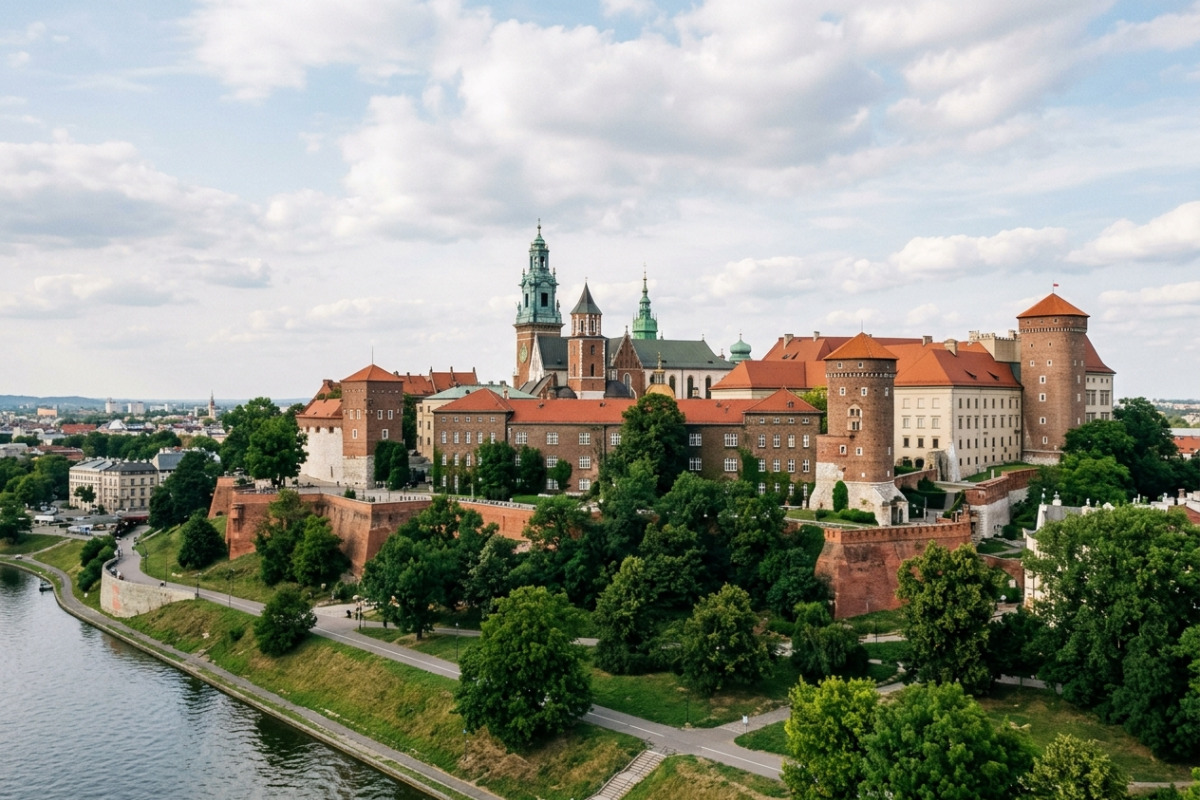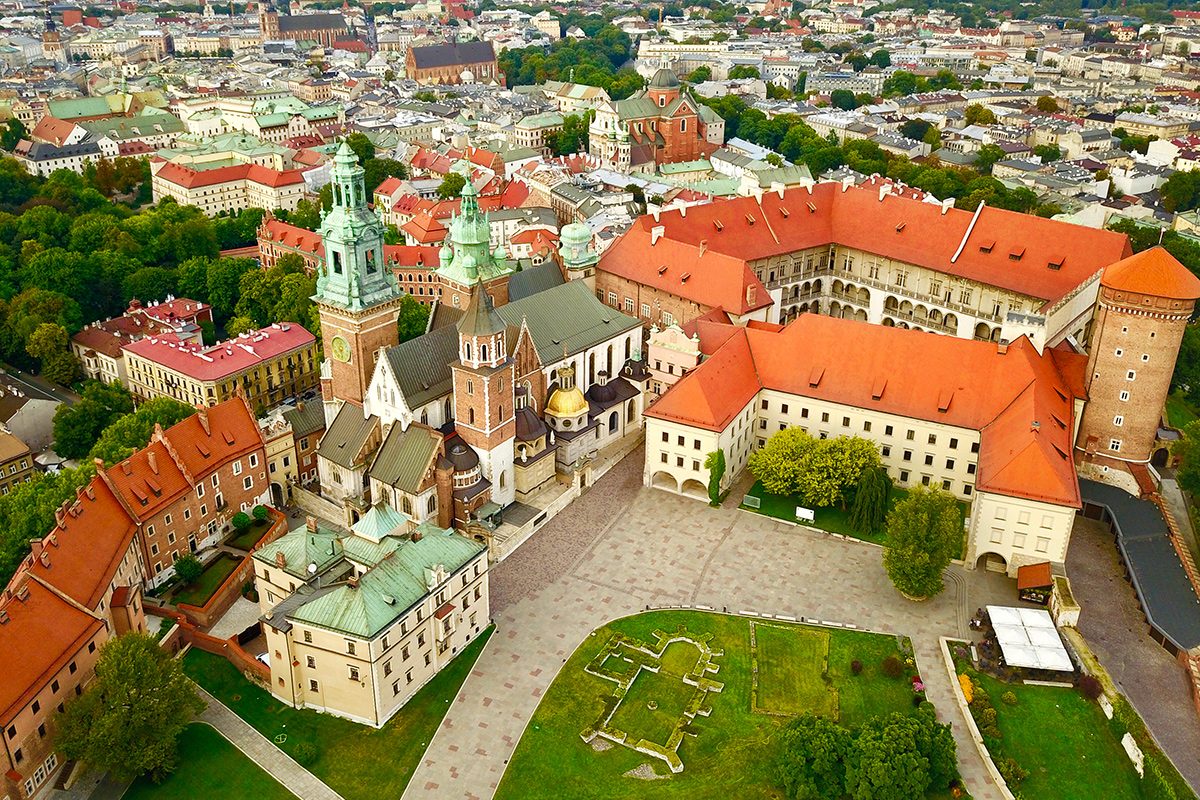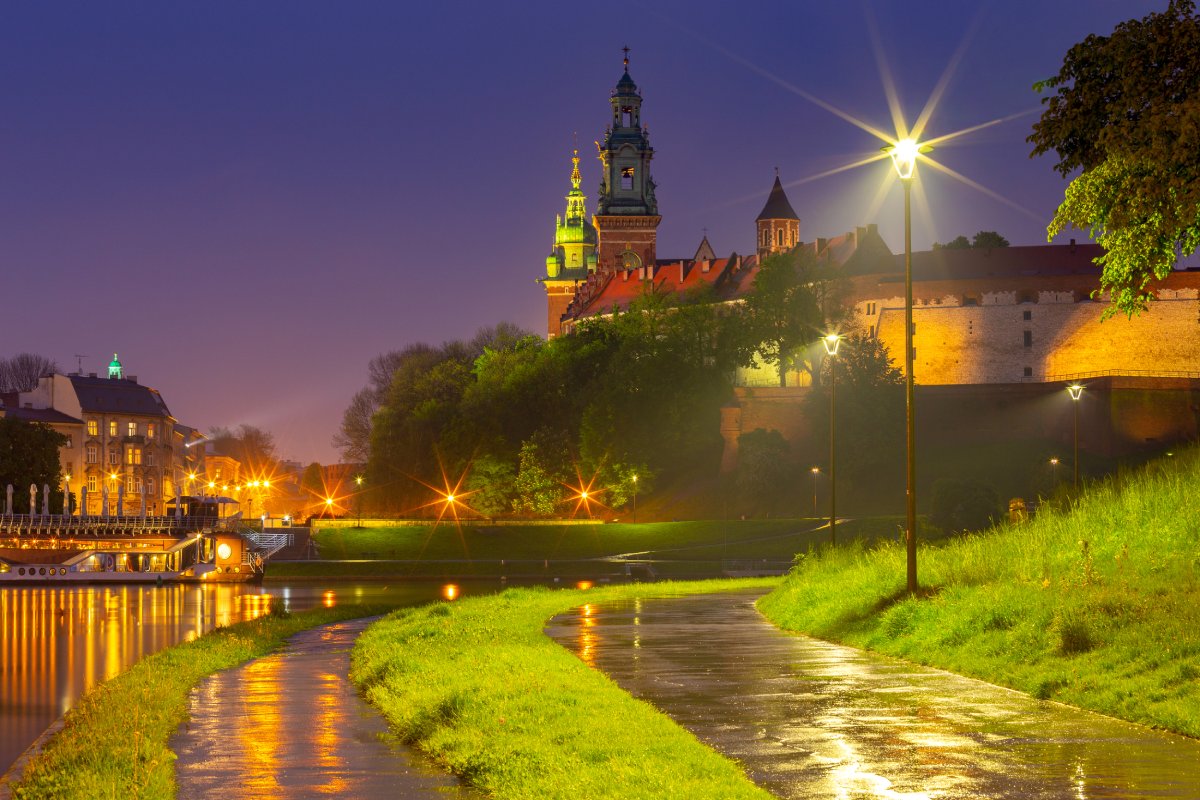
Krakow is a city where history and magic seem to dance together on the cobblestone streets, but nowhere is this union more palpable than at the foot of Wawel Hill. While the magnificent castle and cathedral dominate the skyline, representing centuries of Polish royalty, there is a darker, more whimsical story hidden within the limestone bedrock beneath. This is the home of Smok Wawelski, the Wawel Dragon, a creature that has terrified and delighted generations of locals and travelers alike. Exploring this myth is not just about listening to a fairy tale; it is an essential part of understanding the soul of this ancient city.
For visitors arriving in December 2025, the allure of the dragon remains as potent as ever. Whether you are a history buff, a folklore enthusiast, or a family traveling with children, the legend adds a layer of enchantment to the Wawel experience. Before you descend into the cool depths of the earth or wait for the bronze beast to breathe fire, it is crucial to understand the story that started it all. The legend of the Wawel Dragon is more than a bedtime story; it is a narrative of wit, bravery, and the triumph of the underdog.
The Ancient Tale of Smok Wawelski
Long before Krakow became the bustling cultural hub it is today, the legend says that the caves beneath Wawel Hill were inhabited by a fearsome dragon. Known as Smok Wawelski, this beast was no ordinary nuisance. According to the most popular version of the folklore, dating back to the reign of the legendary King Krakus, the dragon demanded weekly sacrifices of cattle. If the townspeople failed to provide livestock, the dragon would turn its appetite toward the local virgins, casting a shadow of fear over the developing settlement.
Many brave knights attempted to slay the beast, drawn by the promise of glory and the King’s reward, but all met a fiery end. Their swords shattered against the dragon’s scales, and their armor offered no protection against its scorching breath. The kingdom was in despair until a humble shoemaker’s apprentice named Skuba stepped forward. Skuba knew he could not defeat the dragon with brute strength, so he relied on cunning. He took a sheepskin, stuffed it with sulfur and tar, and left it outside the dragon's cave as a 'gift.'
The gluttonous beast devoured the bait in a single gulp. Moments later, the sulfur began to burn inside its stomach, causing an unbearable thirst. The dragon rushed to the Vistula River and drank uncontrollably. It drank so much water to quell the fire within that it eventually exploded with a massive bang, freeing the city from its tyranny. This story of intellect triumphing over physical power is deeply ingrained in Polish culture and sets the stage for your visit to the actual site of the legend.
Consider this: The Wawel Dragon is so central to Krakow's identity that you'll find its image everywhere, from souvenirs and sweets to street art and local businesses. Keep an eye out for these dragon-themed treasures as you explore the city!
Entering the Dragon’s Den: A Journey Underground
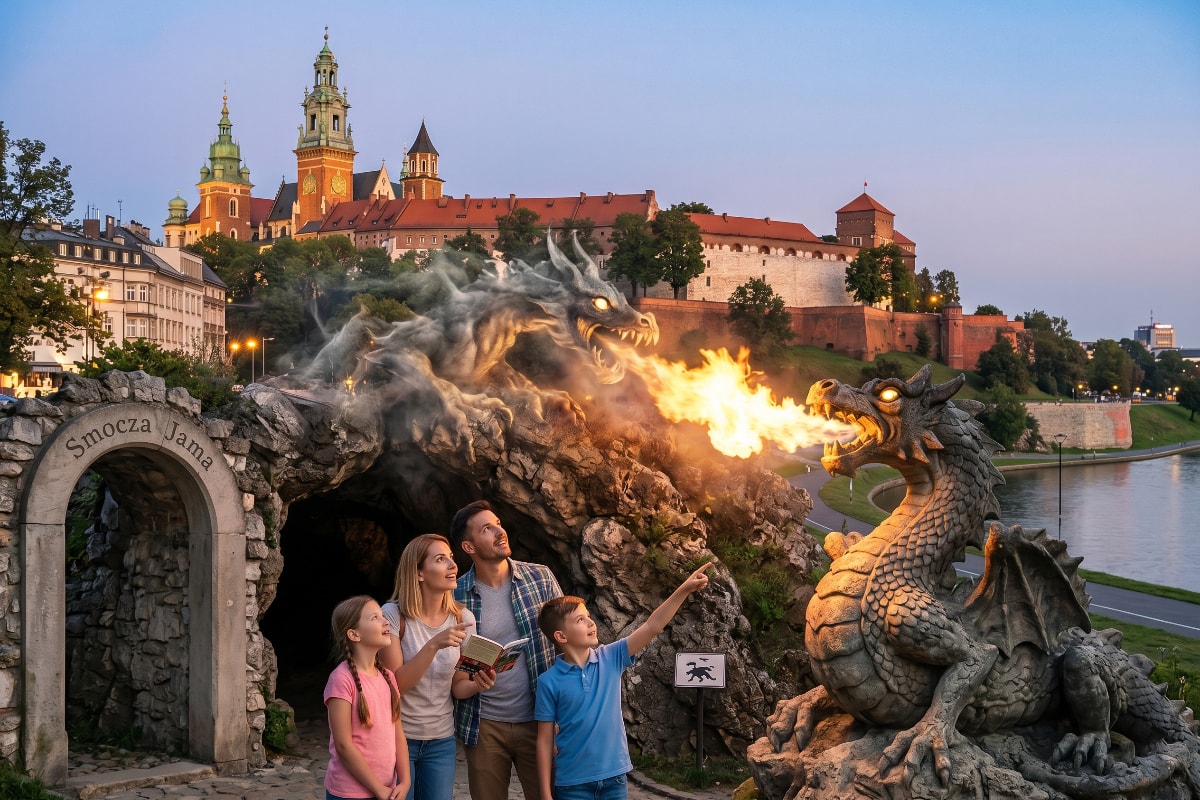
Today, the myth comes alive when you step into the Dragon’s Den (Smocza Jama). Unlike the airy courtyards of the royal residence, this is a distinct attraction that takes you deep into the geological heart of Wawel Hill. The cave system is a fascinating limestone formation created by the prehistoric waters of the Jurassic period. To enter, visitors descend a spiral staircase of 135 steps, transitioning from the sunlight of the castle fortifications into the cool, mysterious atmosphere of the underground lair.
The route through the cave is approximately 270 meters long, winding through three large chambers. The dim lighting highlights the jagged rock formations and creates an ambiance that makes it easy to imagine a slumbering beast hiding in the shadows. It is a unique experience that contrasts sharply with the opulent Royal Apartments above. For those interested in the full scope of the castle grounds, you can find more details about how the cave fits into the broader complex on the Sections page. It is a short but memorable walk that exits right at the riverbank, offering a perfect narrative loop from the castle heights to the water's edge.
The Fire-Breathing Guardian
Upon emerging from the Dragon’s Den, visitors are greeted by one of Krakow’s most photographed landmarks: the Statue of the Wawel Dragon. Designed by the renowned sculptor Bronisław Chromy and installed in 1972, this six-meter-tall bronze sculpture stands on a boulder near the Vistula River promenade. It is a masterpiece of modern expression, capturing the raw power and menacing allure of the legendary creature.
The statue’s most famous feature, however, is not its artistic composition but its pyrotechnics. Every five minutes, the dragon breathes a plume of real fire, delighting crowds of onlookers. It is a spectacle that runs year-round, looking particularly dramatic against the grey skies of a Polish winter or the vibrant sunsets of summer. While the dragon no longer demands sheep, it certainly demands attention. It serves as a playful reminder of the city’s mythical origins and provides the perfect backdrop for a memorable travel photo.
While you're admiring the fire-breathing dragon, take a moment to appreciate the Vistula River. Boat tours offer stunning views of Wawel Castle and the surrounding cityscape, providing a unique perspective on Krakow's beauty.
Practical Tips for Visiting the Dragon
Visiting the Wawel Dragon involves a few logistical details that can make your trip smoother. The Dragon’s Den is a seasonal attraction in terms of opening hours, often having shorter days in the winter months compared to the peak summer season. Furthermore, because the exit is at the bottom of the hill by the river, you cannot re-enter the castle grounds through the cave; it is strictly a one-way route.
Here are a few things to keep in mind:
- Tickets are separate: Access to the Dragon’s Den usually requires a separate ticket or a specific combination pass. It is not always included in the general castle entry.
- Physical effort: The descent involves a significant number of stairs. While not incredibly strenuous for the average person, it can be challenging for those with mobility issues or very small children.
- Temperature: The cave remains cool throughout the year. Even if it is sweltering outside in July, you might want a light layer for the underground walk.
Visitor Quick Facts
| Feature | Details |
| Location | Western slope of Wawel Hill, exit near Vistula boulevards. |
| Best Time to Visit | Early morning to avoid school groups, or late afternoon for sunset views by the statue. |
| Duration | approx. 15-20 minutes for the cave walk. |
| Photography | Allowed, but flash may be restricted inside the cave. |
Why the Legend Endures
The story of Smok Wawelski is more than just a tourist attraction; it is a symbol of Krakow’s resilience. The bones hanging near the entrance of the Wawel Cathedral—rumored to be dragon bones but actually belonging to prehistoric mammals—are said to protect the city. Legend holds that if the bones ever fall, the cathedral will collapse and the city will face disaster. This blend of superstition, history, and geology makes a visit to Wawel deeply fascinating.
For travelers planning their itinerary, combining the grandeur of the Royal State Rooms with the earthy mystery of the Dragon’s Den offers a complete picture of Polish heritage. If you have more questions about accessibility or specific entry requirements, be sure to check the FAQ section before your arrival. Also, for a comprehensive overview of opening times and rules, the Visiting Information page is an invaluable resource.
Whether you believe in the mythical beast or simply appreciate the stunning limestone formations, the Wawel Dragon remains an unmissable highlight. It reminds us that every great city has a monster in its past and a hero who saved the day, leaving behind a story that echoes through the ages.