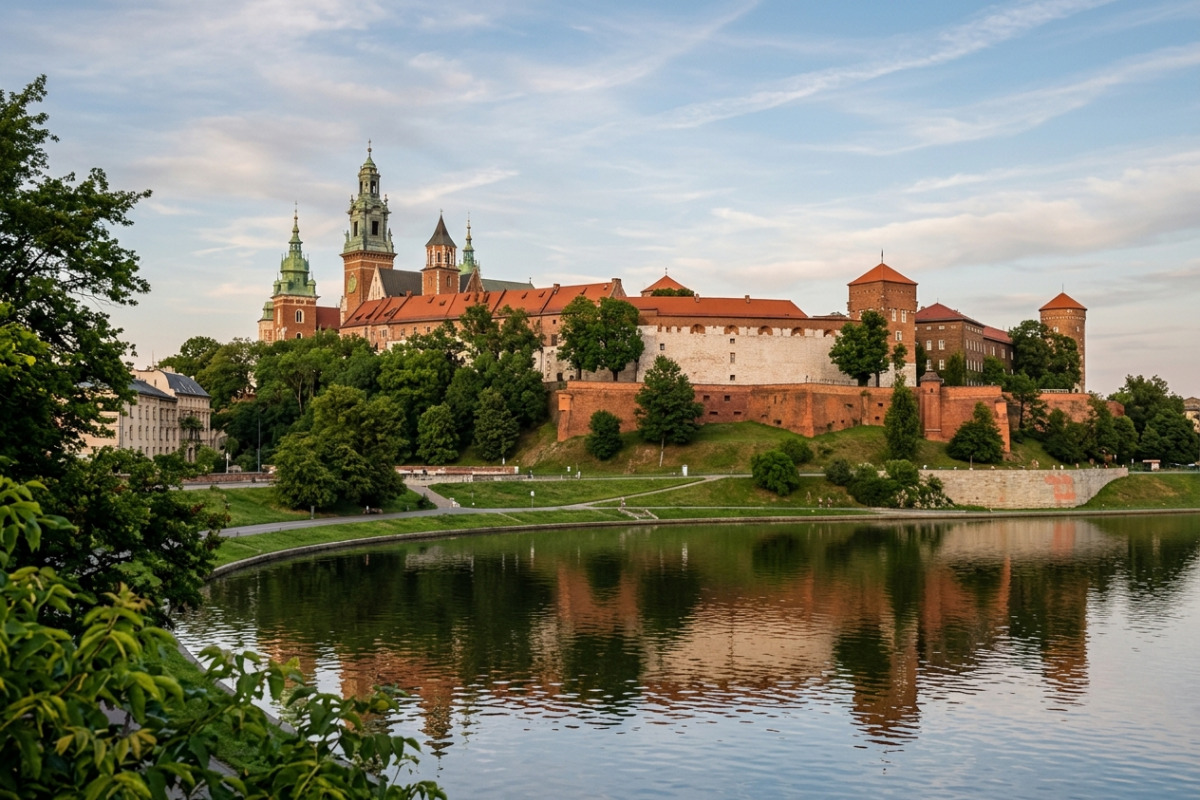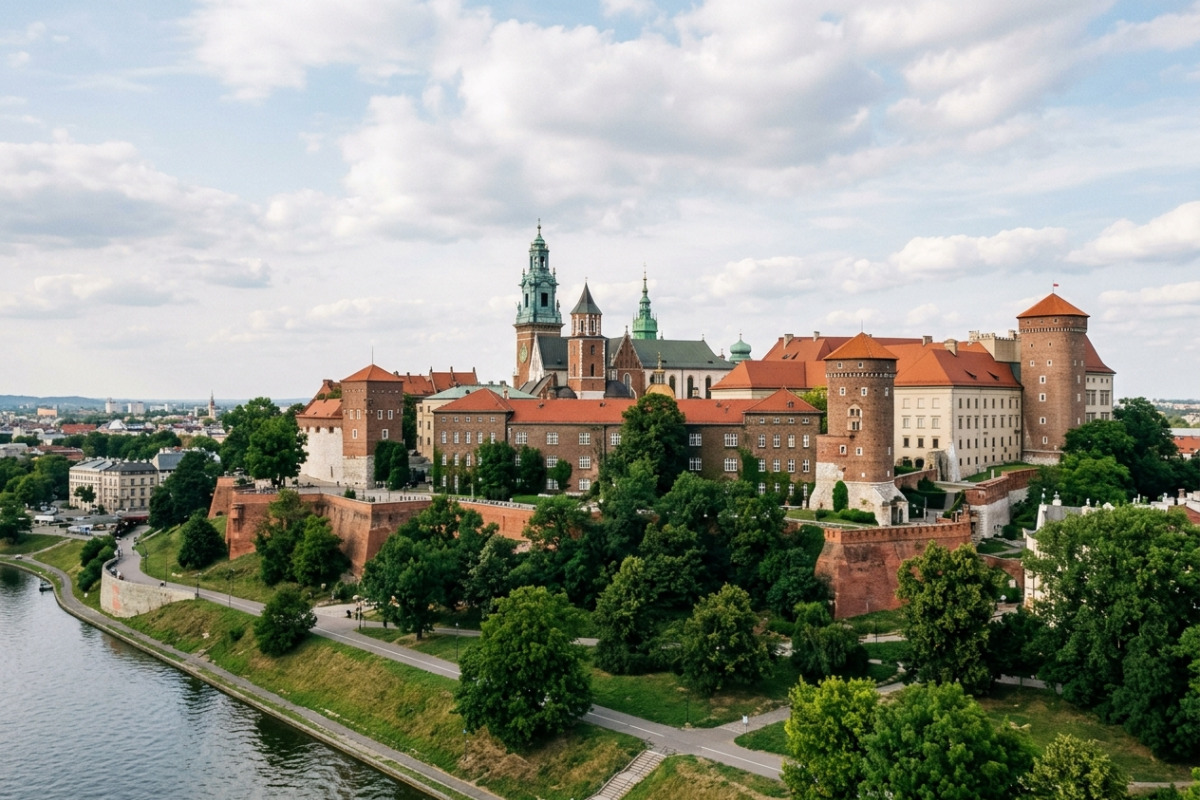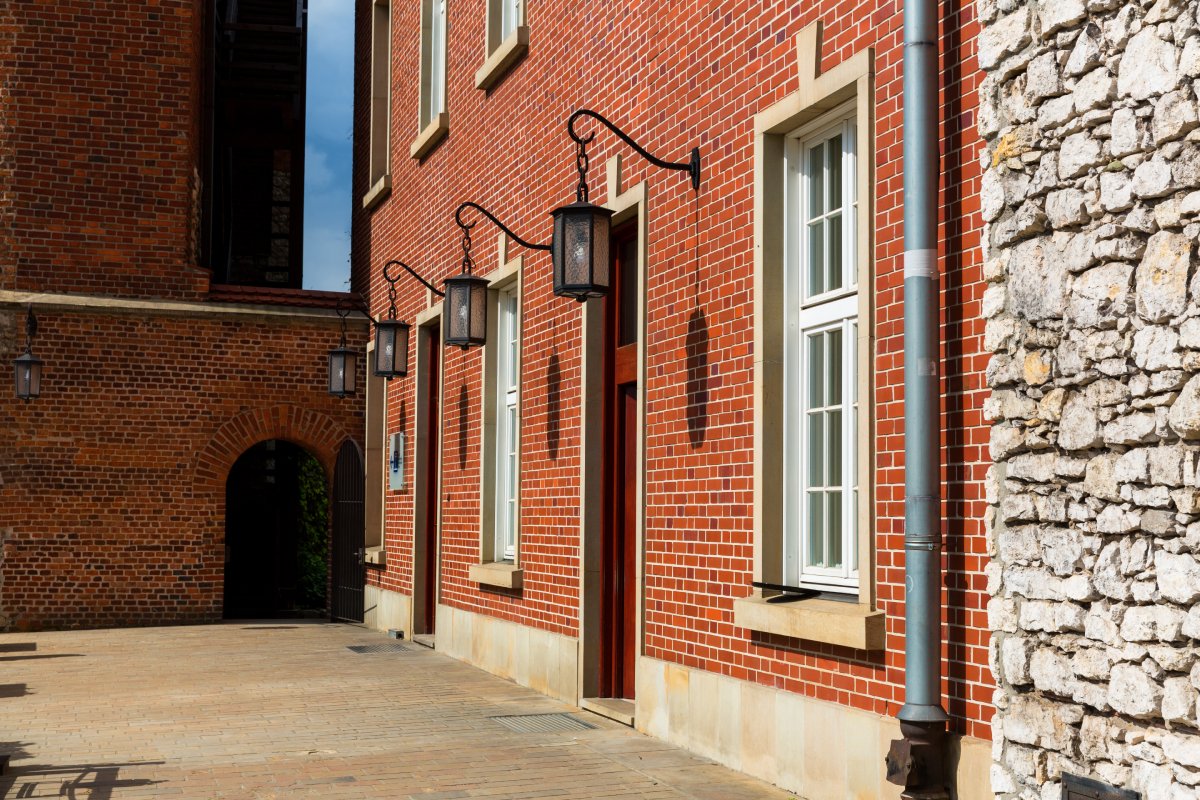
Standing atop Wawel Hill, looking out over the Vistula River in the crisp air of January 2026, it is easy to get lost in the architectural grandeur of the castle complex. However, the true heart of this Polish sanctuary beats not in its towers, but beneath its floors. Entering Wawel Cathedral is more than a sightseeing activity; it is a step into a living history book where the chapters are written in stone and silence. The Royal Crypts are not merely tombs; they are a national sanctuary where the monarchs who built the state, the poets who kept its spirit alive, and the heroes who fought for its freedom rest side by side.
For any traveler seeking to understand the resilience and pride of Poland, a descent into these underground chambers is essential. It is a solemn journey through centuries of triumph, tragedy, and artistic mastery, offering a quiet intimacy with the figures who shaped Central Europe. Before you descend, it is wise to check the specific Sections of the cathedral to understand the layout of this sprawling necropolis.
Descending into History: St. Leonard’s Crypt
The journey often begins in one of the most atmospherically charged spaces in Krakow: St. Leonard’s Crypt. Dating back to the turn of the 11th and 12th centuries, this is a remnant of the second Romanesque cathedral, a structure that stood long before the current Gothic edifice took shape. As you walk through the forest of eight columns supporting the vault, the weight of a millennium presses down in the most beautiful way imaginable.
This crypt is the final resting place of some of Poland’s most significant figures. Here lies King Jan III Sobieski, the valiant monarch who famously defeated the Ottoman Empire at the Battle of Vienna in 1683. His presence here anchors the crypt in a narrative of defense and glory. Nearby, you will find the sarcophagus of King Michał Korybut Wiśniowiecki and the beloved Tadeusz Kościuszko, a hero of two continents whose fight for independence resonates deeply with American and Polish visitors alike.
The architecture itself is a marvel. The raw stone and low arches create a hushed acoustic environment that commands respect. It was here, amidst these royal tombs, that a young Karol Wojtyła—later Pope John Paul II—celebrated his first Mass in 1946, adding a layer of spiritual significance to the historical weight of the chamber.
The Necropolis of Kings and Queens
Moving beyond St. Leonard’s, the Royal Crypts expand into a series of chambers connected by narrow corridors. This is the pantheon of the Polish-Lithuanian Commonwealth. The artistry displayed on the sarcophagi is a testament to the changing tides of European art history, evolving from simple stone to elaborate, gilded masterpieces.
Visitors are often struck by the diversity of the tombs:
- Sigismund the Old: His resting place reflects the golden age of the Renaissance in Poland, a time of immense cultural and political power. Consider the intricate carvings on his sarcophagus, depicting scenes from his reign and the flourishing arts of the era.
- Stefan Batory: Known for his military genius, his sarcophagus is a piece of art that reflects the stern and majestic nature of his rule. The details of his armor and the regal bearing of his effigy speak volumes about his leadership.
- Sigismund Augustus: The last of the Jagiellonian dynasty, whose death marked the end of an era, rests here in solemn dignity. His tomb serves as a poignant reminder of the dynasty's legacy and the shifting political landscape of Europe.
The intricate details on the tin and copper sarcophagi are mesmerizing. You can see the craftsmanship in the relief work, depicting battles, religious motifs, and heraldic symbols. To ensure you have ample time to appreciate these details without feeling rushed by crowds, many visitors choose to Book Now to secure their entry slot in advance.
Beyond Royalty: The National Bards
What makes the Wawel Crypts unique among European royal mausoleums is that they are not reserved solely for those with blue blood. In Poland, the "kings of the spirit" are held in equal, if not higher, esteem than political rulers. During the grand era of Romanticism, when Poland was partitioned and erased from the map of Europe, it was the poets who kept the national identity alive through language and literature.
In the Crypt of the National Bards, you will find the sarcophagi of Adam Mickiewicz and Juliusz Słowacki. Their transfer to Wawel was a massive patriotic manifestation in the 19th and 20th centuries. Standing before their tombs, one realizes that for the Polish people, culture was a weapon of survival. It is a deeply moving experience to see fresh flowers often laid here by students and admirers, proving that their verses still resonate today.
The Crypt of the Silver Bells
Another poignant section is the Crypt of the Silver Bells, named after the bells that hang in the tower above. This chamber houses the remains of Marshal Józef Piłsudski, the father of modern Polish independence regained in 1918. His tomb is a pilgrimage site for patriots. More recently, the vestibule of this crypt became the resting place of President Lech Kaczyński and his wife Maria, who perished in the Smolensk air disaster of 2010. This addition connects the ancient history of the castle with the contemporary tragedies and complexities of modern Poland.
Practical Information for Your Visit
Navigating the cathedral and its underground chambers requires a bit of planning. The crypts are a sacred space, and silence is expected. To help you plan which historical figures you want to pay respects to, here is a simplified guide to the key locations:
| Crypt / Chamber | Key Figures Buried | Historical Significance |
| St. Leonard's Crypt | Jan III Sobieski, Tadeusz Kościuszko, Michał Korybut Wiśniowiecki | Romanesque interior; heroes of military defense and independence. |
| Crypt of the National Bards | Adam Mickiewicz, Juliusz Słowacki | Dedicated to the spiritual leaders (poets) who preserved Polish culture. |
| Crypt of the Silver Bells | Józef Piłsudski, Lech & Maria Kaczyński | Focus on the restoration of independence and modern statehood. |
| Royal Crypts (Main) | Sigismund the Old, Sigismund Augustus, Stefan Batory | The resting place of the monarchs of the Polish-Lithuanian Commonwealth. |
Because the cathedral functions as an active place of worship as well as a museum, opening hours can vary due to religious services. It is highly recommended to review the Visiting Information before heading up the hill. If you are visiting during peak tourist seasons, long queues are common. Smart travelers often opt for Skip-The-Line Tickets to maximize their time exploring the interiors rather than waiting outside.
A Journey of Reflection
Emerging from the cool, stone-scented air of the crypts back into the daylight of the Wawel courtyard feels like returning from a different world. You haven't just seen graves; you have walked the timeline of a nation that has risen, fallen, and risen again multiple times.
Whether you are a history buff, an art lover, or simply a traveler looking to connect with the soul of the places you visit, the Royal Crypts offer a profound experience. If you have questions about dress codes (shoulders should be covered) or photography rules, the FAQ section is a great resource to ensure your visit goes smoothly.
Wawel is more than a castle; it is a memory. And in the silence of the crypts, that memory speaks the loudest. Make sure to Buy Tickets in advance to ensure you don't miss this pivotal chapter of your Krakow adventure.