When most travelers approach Wawel Hill, their eyes are immediately drawn to the golden dome of the Sigismund Chapel or the expansive arcaded courtyard of the Royal Castle. While these Renaissance masterpieces are undeniably breathtaking, they tell only half the story. The other half is written in rough brick and stone, standing guard against the skyline. Wawel was not just a residence; it was a fortress. To truly understand the power dynamics of Polish history, you must look to the guardians of the hill: the imposing towers and bastions that have weathered sieges, fires, and the march of time.
Exploring these defensive structures offers a different kind of thrill compared to the State Rooms. Here, the atmosphere is less about velvet and gold, and more about strategy, survival, and sweeping vistas. For those planning a visit in early 2026, the crisp winter air provides some of the clearest views of Krakow from these vantage points. Before you ascend the hill, it is wise to Book Now to ensure you have access to the specific exhibitions that include these fortifications, as some towers require separate entry or have seasonal schedules.
The Giants of Defense: Wawel’s Key Towers
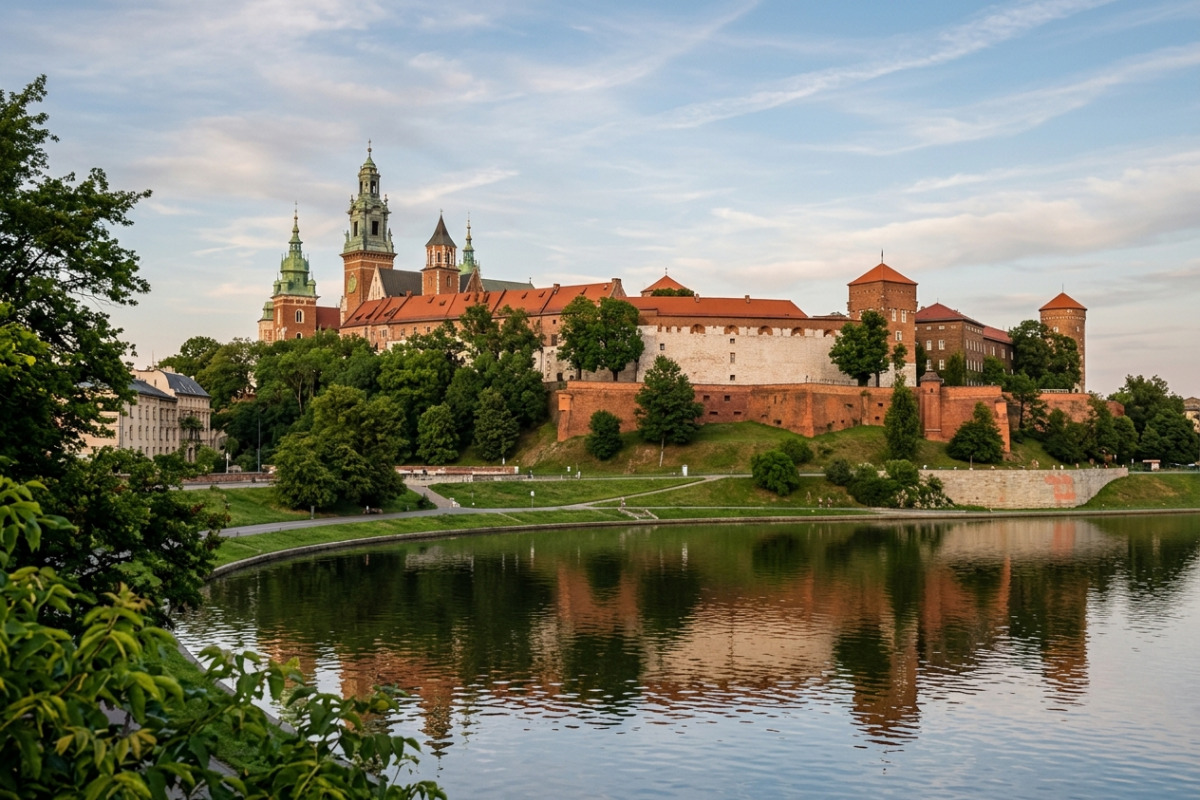
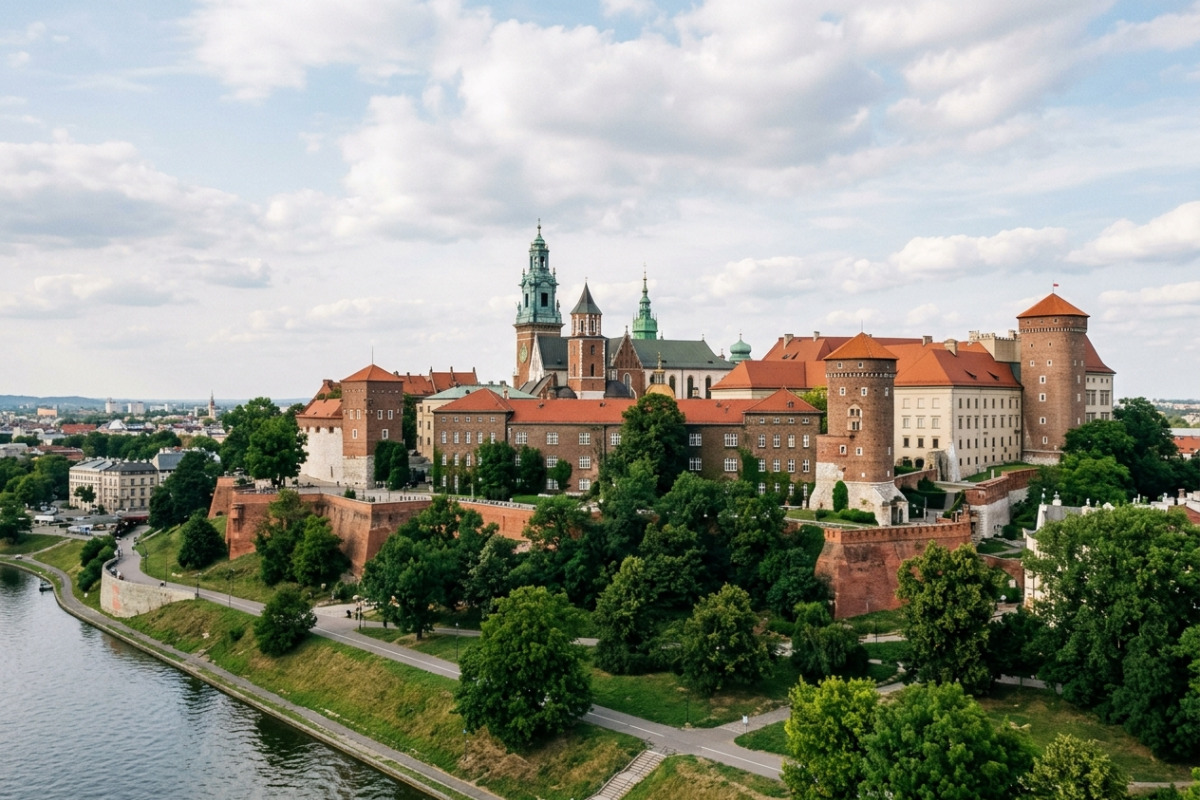
The silhouette of Wawel Castle is defined by three major towers: the Sandomierska, the Senators’ (Lubranka), and the Thieves’ Tower. Each served a distinct purpose and holds its own dark secrets.
The Sandomierska Tower
Located at the majestic southwestern corner of the hill, the Sandomierska Tower is a prime example of distinct military architecture designed to adapt to the age of artillery. Built around 1460 during the reign of Casimir IV Jagiellon, this structure was originally intended to strengthen the castle's defenses against potential attacks from the vulnerable southern side.
Historically, in times of peace, it served as a prison for nobility. Today, it offers one of the most rewarding physical challenges on the hill. Visitors can climb the wooden staircases to reach the upper levels. The exertion is well worth it; from the top, you are treated to a panoramic view of the Vistula boulevards and the Debniki district. It is a favorite spot for photographers looking to capture the river's curve without the obstruction of modern buildings.
The Senators’ Tower (Lubranka)
Standing tall as the highest of Wawel’s residential and defensive towers, the Senators’ Tower has a history that is as fascinating as it is grim. Originally raised in the mid-15th century, it was later heightened, giving it the commanding presence we see today. Its lower section is built of limestone, while the upper parts transition into brick, showcasing the evolution of construction techniques over centuries.
This tower served a dual purpose that seems contradictory to modern sensibilities. While it was a strongpoint in the fortification wall, it was also the storage place for the royal robes—hence its older name, the 'Robe Tower.' However, its history took a darker turn as it became a prison and an execution site. The famous execution of the nobleman Samuel Zborowski took place in the courtyard near this tower in 1584.
The Thieves’ Tower
While often less accessible to the interior public than the others, the Thieves’ Tower (Złodziejska) is a crucial part of the western curtain wall. As the name suggests, it was primarily used as a dungeon for common criminals, but it also held Teutonic Knights taken prisoner after the Battle of Grunwald. Its fully preserved Gothic form makes it an essential visual anchor when viewing the castle from the riverbank.
Military Architecture: Evolution from Gothic to Bastion
Wawel is a textbook example of how military engineering evolved from the medieval period to the early modern era. The castle did not rely solely on high walls; it utilized the landscape and advanced engineering to repel invaders.
During the 16th and 17th centuries, tall medieval walls became vulnerable to heavy cannon fire. To counter this, the fortifications were modernized. You will notice the 'Władysław IV Bastions'—star-shaped earth and brick structures designed to deflect artillery and provide platforms for the castle’s own cannons. Walking along these ramparts gives you a sense of the scale of effort required to protect the Polish monarchs.
If you are interested in how these defensive systems integrate with the residential parts of the complex, you should explore the various sections of the castle map to see the layout differences between the Royal Private Apartments and the outer defensive rings.
Comparing the Towers
To help you prioritize your time on the hill, here is a quick comparison of the major defensive structures:
| Structure Name | Primary Historical Use | Key Feature | Best For |
| Sandomierska Tower | Artillery defense & Noble prison | "Fire Tower" design | River views & climbing |
| Senators’ Tower | Robe treasury & Prison | Tallest tower on the hill | Architecture enthusiasts |
| Thieves’ Tower | Dungeon for criminals | Gothic brickwork | Exterior photography |
| Vasa Bastions | Artillery platform | Star-shaped projection | Walking & panoramic city views |
Photography Guide: Capturing the Fortress
Wawel is incredibly photogenic, but finding the right angle to capture its defensive might requires knowing where to stand. The fortifications offer unique framing opportunities that many visitors miss by staying in the central courtyard.
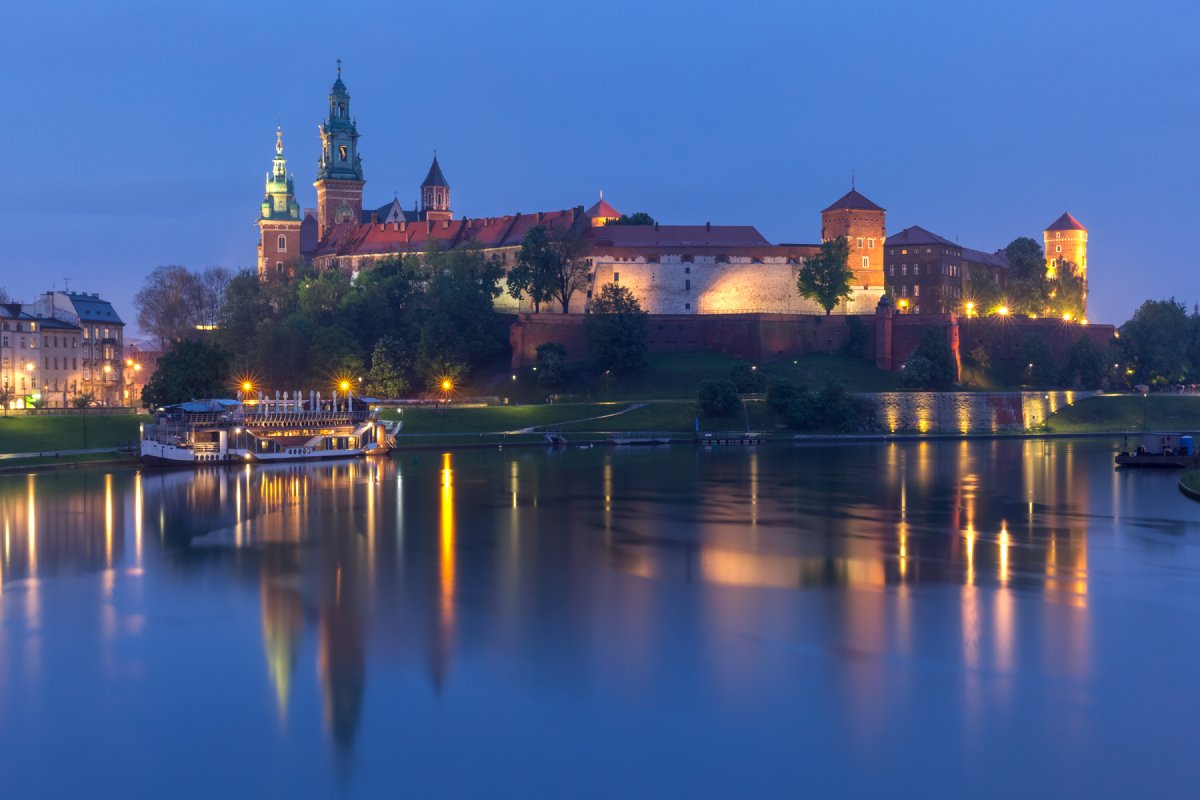
- The Vistula Promenade: Walk down to the riverbank at sunset. From here, the sheer verticality of the brick walls and towers rising from the limestone rock is most imposing. This is the classic "Postcard from Krakow" shot.
- The Bernardine Gate Rampart: As you ascend the gentle slope from the street level towards the Bernardine Gate, stop halfway. The view looking back towards the Sandomierska Tower with the river in the background is spectacular, especially in the golden hour.
- The Bastion Walls: Walking along the fortification walls offers a unique perspective of the cathedral spires contrasting with the defensive brickwork. It is an excellent spot for detail shots of the masonry.
Practical Tips for Exploring the Fortifications
Visiting the towers and bastions requires a bit more planning than a standard museum walk. These are historic military structures, meaning they were designed to be difficult to access, not comfortable for tourists! Here are some essential tips for your visit:
- Footwear Matters: The stairs in the Sandomierska Tower are steep, and the cobblestones along the ramparts can be uneven. Wear comfortable, grip-soled shoes.
- Seasonal Access: While the castle grounds are generally open, specific towers may close during severe winter weather or for maintenance. It is always smart to check the visiting information before you head up the hill.
- Physical Fitness: Be prepared for a workout. There are no elevators in the medieval towers. The climb is part of the experience, giving you a small taste of what the guards endured centuries ago.
- Ticket Bundles: Often, access to the Sandomierska Tower is sold as a separate seasonal ticket or part of a specific route. If you want to skip the queues at the ticket office, looking into Skip-The-Line Tickets online is highly recommended.
For those with specific questions about accessibility or restrictions regarding the towers, the FAQ page is a valuable resource to consult prior to your arrival.
The Silent Watchers
The towers of Wawel are more than just piles of brick; they are the silent watchers of Krakow’s history. They have seen kings crowned and buried, enemies repelled, and the city transform from a medieval merchant hub to a modern European metropolis. By taking the time to explore the Sandomierska and Senators’ Towers, and by walking the line of the bastions, you connect with the resilience of the Polish state.
So, on your next visit, don't just look at the castle—look out from it. Stand on the ramparts, feel the wind from the Vistula, and appreciate the military genius that allowed Wawel to survive the centuries as the proud heart of Poland.