When you step onto the cobblestones of Kanonicza Street, the bustling energy of Krakow’s Main Market Square seems to fade into a respectful whisper. This isn't just another thoroughfare in the Old Town; it is widely regarded as the city's oldest and most picturesque street, a place where time seems to have paused somewhere in the 16th century. As you walk down this gently curving lane, flanked by magnificent facades, you are literally following in the footsteps of Polish kings, queens, and envoys who traversed this path for centuries. It serves as the final, majestic crescendo of the Royal Route before the imposing silhouette of Wawel Castle rises to meet you.
Unlike the commercial hustle found elsewhere in the city center, Kanonicza offers a serene atmosphere that invites you to slow down and look up. Every building here tells a story, not of merchants, but of the high-ranking clergy and nobility who once called this address home. The street has remarkably survived the turmoil of history with its Renaissance beauty intact, offering travelers a pristine glimpse into Krakow’s Golden Age. Whether you are a history buff, an architecture enthusiast, or simply a wanderer looking for the perfect photograph, this street promises an experience that resonates with the soul of Poland.
The Historical Significance of the "Street of Canons"
The name "Kanonicza" is derived from the canons of the Wawel Cathedral, the high-ranking priests who lived here as early as the 14th century. While the rest of the city was evolving and modernizing over the eras, this street maintained its exclusive character. Because the residents were wealthy and educated clergymen, they had the means to hire the best Italian architects of the time. Consequently, the humble medieval structures were transformed into palatial Renaissance residences that we admire today. Walking here is essentially a tour through an open-air museum of high-class architecture.
It is fascinating to realize that this street was not merely residential; it was a stage for royal processions. Before a coronation or a royal funeral, the cortege would pass through here, making the architecture a backdrop for the most significant events in Polish history. Today, as we approach the end of 2025, the preservation efforts have kept these facades looking as regal as they did hundreds of years ago. The intricate stone portals and sgraffito decorations are not just ornaments; they are symbols of the power and prestige that once flowed through this narrow artery toward the Royal Hill.
Architectural Gems: Renaissance Mansions
As you stroll towards Wawel, you cannot help but notice the diversity of the mansions lining the street. Although they share a common Renaissance heritage, each has unique features that demand attention. One of the most striking examples is the Bishop Erazm Ciołek Palace. This building is a masterpiece of residential architecture, housing a branch of the National Museum. Its spacious courtyard and preserved Gothic-Renaissance elements provide a tangible link to the early 16th century, showcasing art that spans from the Middle Ages to the Baroque period.
Another unmissable stop is the Dean’s House (Dom Dziekański). It is famous for its stunning arcaded courtyard, which is arguably one of the most beautiful in Central Europe. If you look closely at the stonework, you might spot the coat of arms of its former residents. Just a few steps away stands the House of Jan Długosz, named after Poland’s most famous chronicler. Długosz lived here in the 15th century while writing his monumental history of Poland. These buildings are not empty shells; they are the custodians of the nation's intellectual and spiritual heritage.
Must-See Details on Kanonicza
- Sgraffito Facades: Look for the geometric patterns scratched into the plaster, a signature technique of the Renaissance brought by Italian masters.
- Stone Portals: Many doorways feature Latin inscriptions and family crests, indicating the lineage of the canons who lived there.
- The "Eye of Providence": Keep an eye out for religious symbols integrated into the architecture, reminding passersby of the street's ecclesiastical roots.
Museums and Cultural Stops
Kanonicza Street is not just for sightseeing from the outside; it invites you to step indoors. Several of the historic tenement houses have been converted into museums that offer deep dives into art and religious history. These institutions are generally quieter than the main tourist hubs, allowing for a more intimate connection with the exhibits.
| Museum Name | Key Highlights | Best For |
| Bishop Erazm Ciołek Palace | Orthodox art icons, medieval sculptures, and Gothic paintings. | Art lovers and history enthusiasts. |
| Archdiocesan Museum | Sacred art, personal items of John Paul II, and royal gifts. | Pilgrims and those interested in papal history. |
| Cricoteka (Archives) | Works associated with avant-garde artist Tadeusz Kantor (located nearby). | Modern art fans seeking a contrast to the old. |
The Connection to John Paul II
For many visitors, Kanonicza Street holds a deep spiritual resonance due to its association with Pope John Paul II. Before he became Pope, Karol Wojtyła lived on this street at number 19 and later at number 21 while he served as a priest and bishop. The Archdiocesan Museum now occupies these buildings, preserving the rooms where he lived and worked. It is a moving experience to stand in the very space where one of the most influential figures of the 20th century formulated his thoughts and prayers.
Even if you are not visiting for religious reasons, the history is palpable. The museum displays a collection of gifts the Pope received from around the world, which serves as a testament to his global impact. Walking past these windows, you get a sense of the human side of the saint, imagining him looking out onto this quiet street during the difficult years of communism in Poland, finding solace in the beauty of the architecture and the proximity to the Wawel Cathedral.
The Final Stretch to Wawel Castle
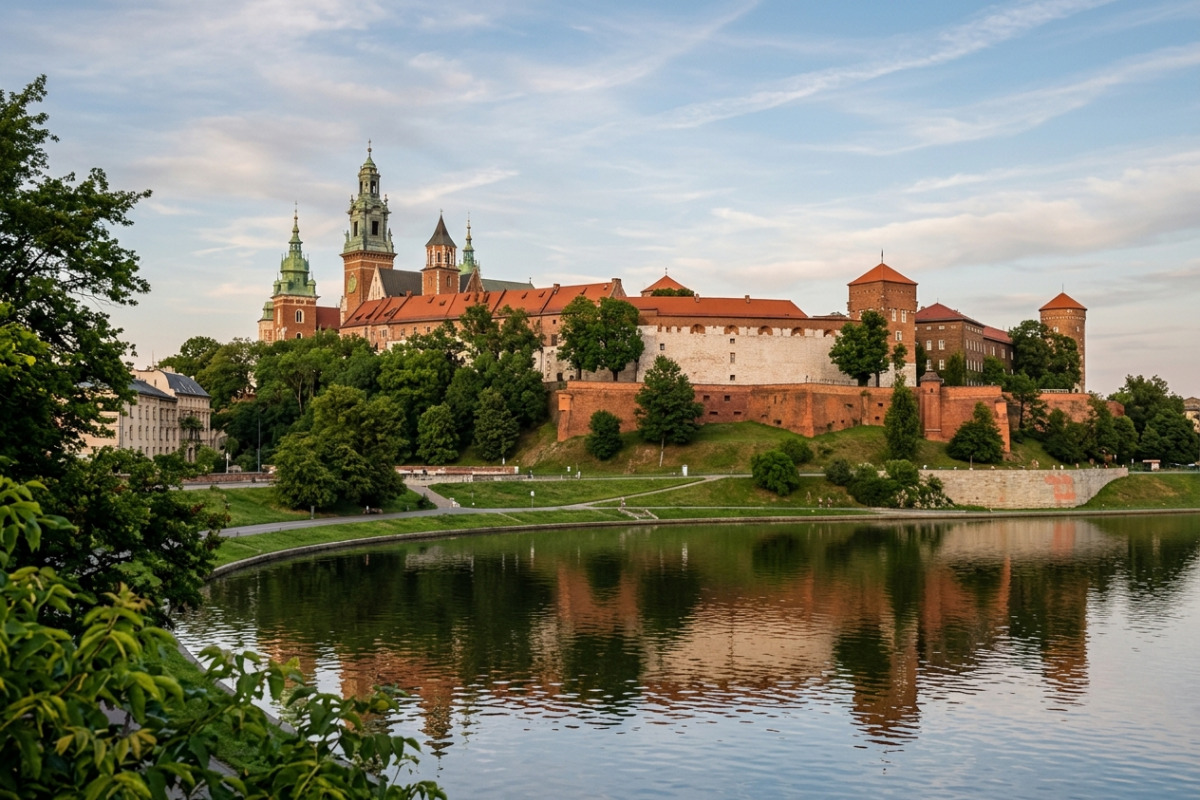
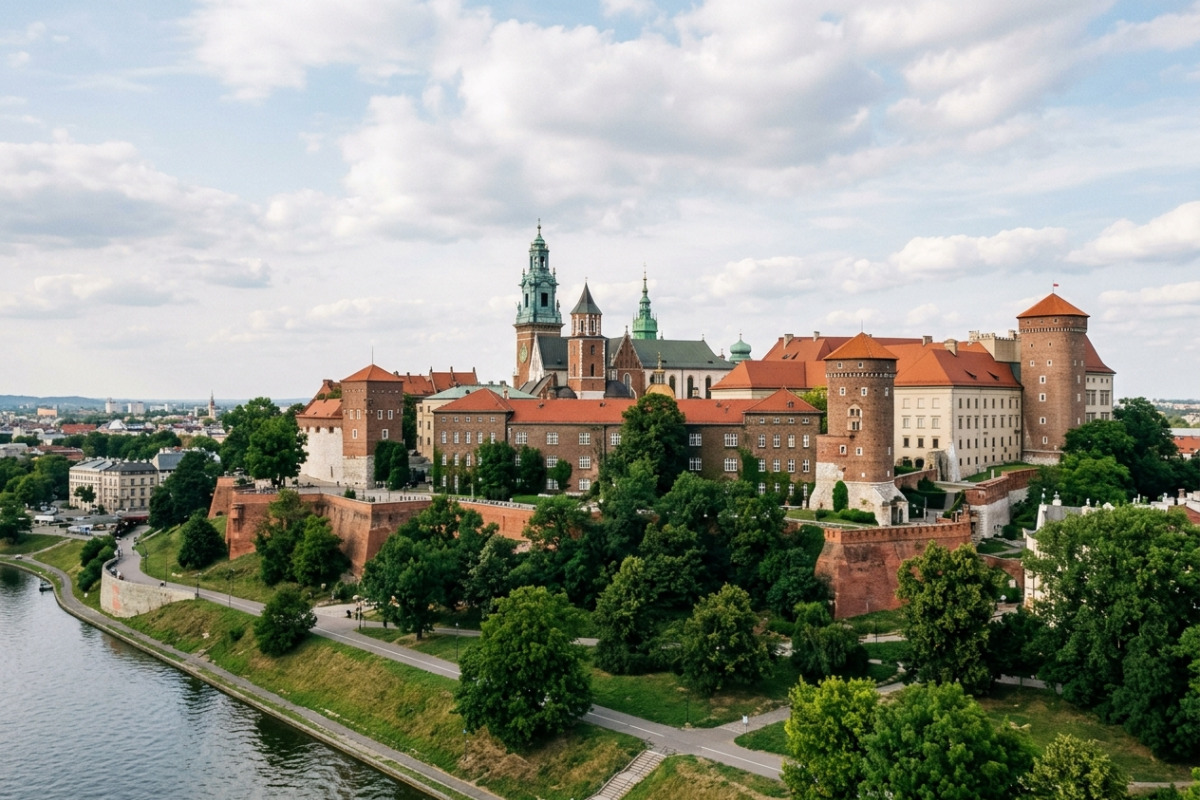
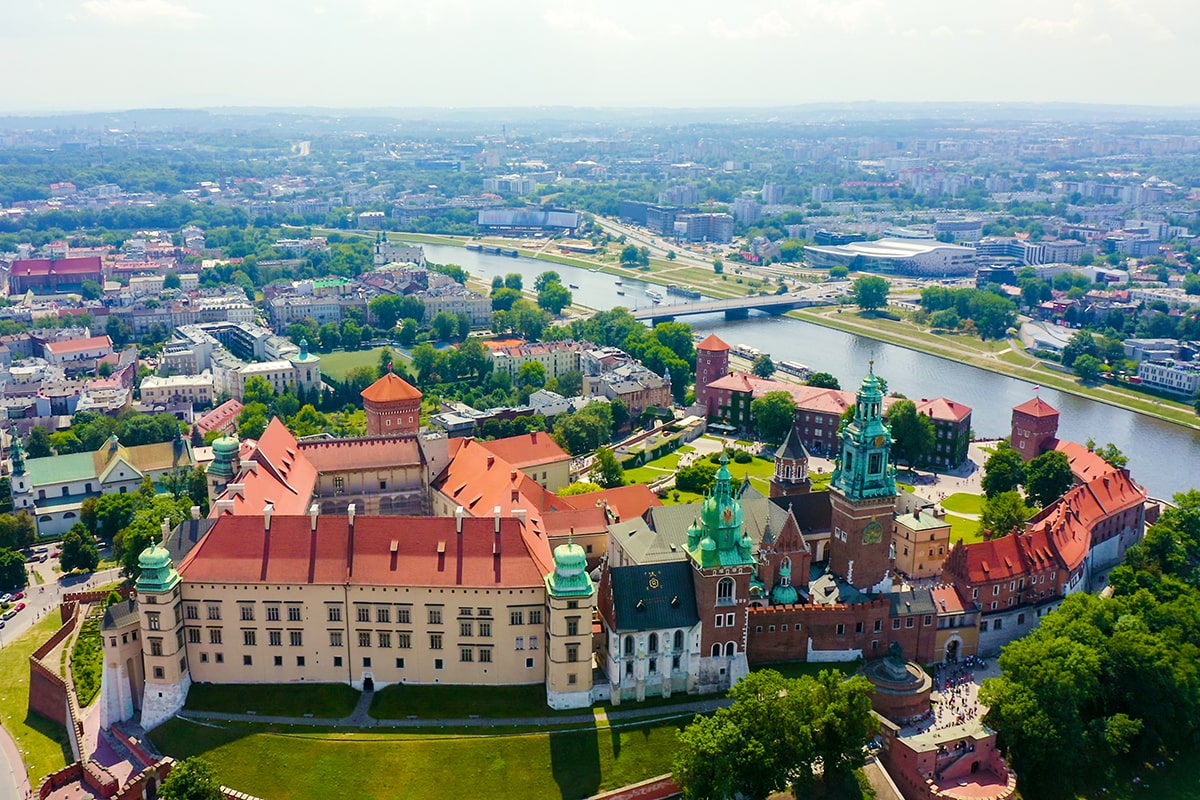
As you reach the southern end of Kanonicza, the view opens up dramatically. The street acts as a funnel, directing your gaze upward to the red brick fortifications and the towers of Wawel Castle. This transition from the intimate, shadowed canyon of Renaissance mansions to the open grandeur of the Royal Hill is one of the most photogenic moments in Krakow. It is the perfect spot to pause and appreciate the layout of the city, which was designed to impress and intimidate in equal measure.
From here, you are perfectly positioned to begin your exploration of the castle grounds. Since Kanonicza is the traditional approach, it sets the right mood for entering the royal chambers and the cathedral. You have walked the path of history, and now you are ready to enter the seat of power. However, Wawel is incredibly popular, and lines can be long, especially if you plan to visit the State Rooms or the Royal Treasury.
Practical Tips for Your Visit
To truly appreciate the magic of Kanonicza Street, timing is everything. Early morning is arguably the best time to visit. The rising sun hits the upper facades of the mansions, and the street is largely empty, allowing you to hear the echo of your own footsteps. Alternatively, an evening walk offers a completely different vibe; the old-fashioned street lamps cast a warm, golden glow on the cobblestones, creating a romantic and mysterious atmosphere that feels straight out of a period film.
Photography enthusiasts should bring a wide-angle lens to capture the full height of the narrow buildings. Don't forget to explore the side streets and the small square (Plac Marii Magdaleny) that connects Kanonicza to Grodzka Street. Here, you can find a moment of rest and a different perspective on the architecture. Remember, this street is pedestrian-friendly, so you can wander without the worry of heavy traffic, making it a relaxing break from the busier parts of the city.
Kanonicza Street is more than just a route from point A to point B; it is a destination in itself. It encapsulates the elegance, history, and spirit of Krakow in a few hundred meters. Whether you spend hours visiting the museums or just fifteen minutes walking its length, the "Street of Canons" leaves a lasting impression of the grandeur that defines this royal city.