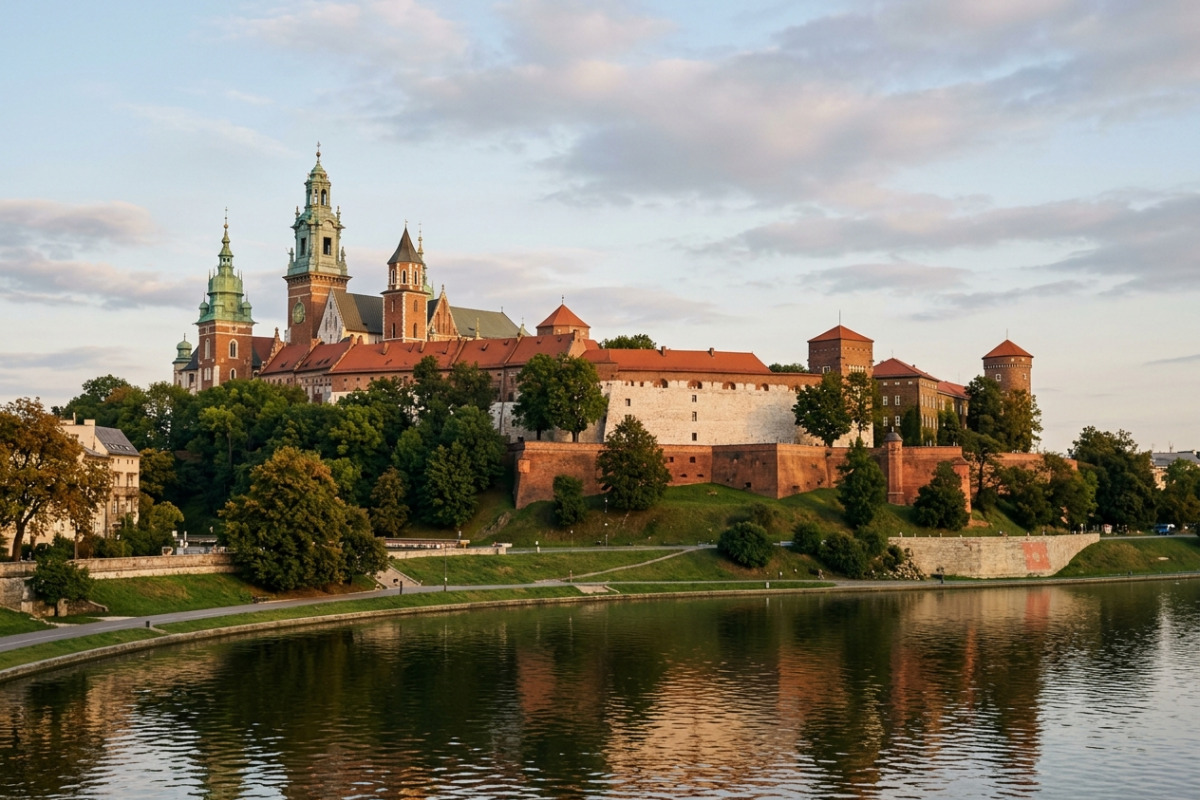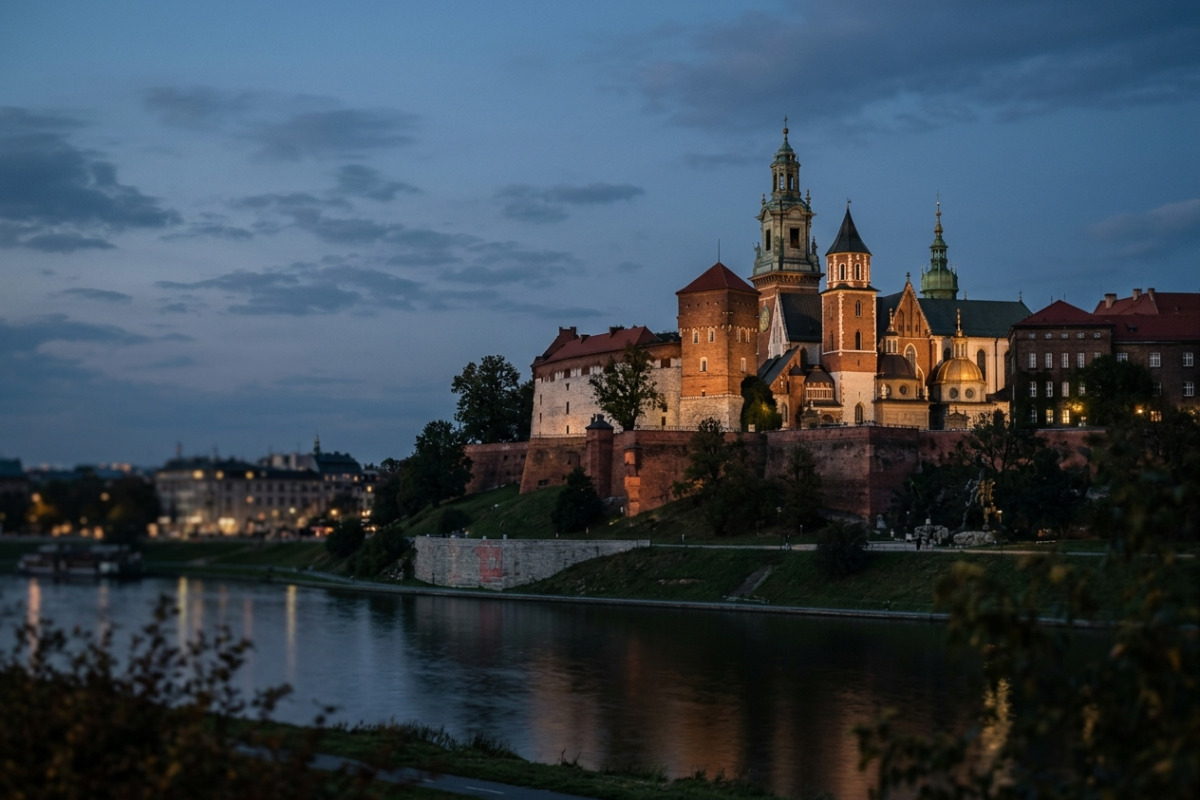
Towering over the Vistula River, Wawel Hill is more than a scenic site, it is the birthplace of Poland’s history. For over a millennium, this hill has been a center of power, faith, and culture. Its layers of architecture and memory reveal how Krakow’s most iconic landmark evolved from an early settlement into the spiritual and political heart of the nation
The Origins: A Hill of Power
Archaeological findings show that Wawel Hill was inhabited as early as the 9th century. Its strategic location above the Vistula made it an ideal defensive site and a center for early Polish tribes. By the 10th century, it had become the stronghold of rulers who unified the Polish lands, laying the foundation for a centralized kingdom.
The Rise of Royal Krakow
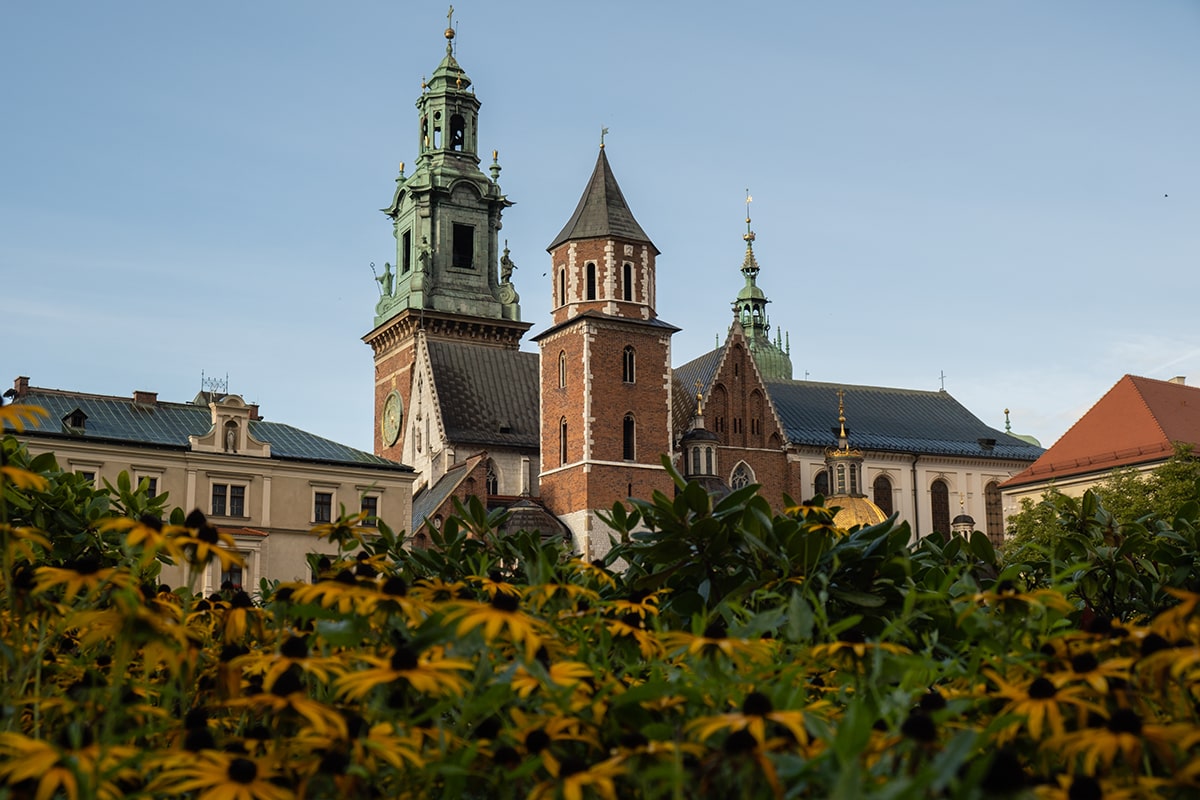
With the establishment of the Polish monarchy, Wawel Hill emerged as the royal residence. King Casimir III the Great and later the Jagiellonian dynasty transformed it into a complex of palaces, churches, and courtyards. The construction of the Wawel Cathedral where kings were crowned and buried, turned the site into a sacred symbol of Polish sovereignty.
Renaissance Splendor and Cultural Flourishing
In the 16th century, under the rule of Sigismund I the Old and Queen Bona Sforza, Italian architects reshaped the castle into a Renaissance masterpiece. The elegant courtyard, arched galleries, and richly decorated apartments reflected the artistic ambitions of a European royal court. Wawel became not only a political center but also a hub of learning, art, and diplomacy.
Foreign Rule and National Symbolism
When the Polish capital moved to Warsaw, Wawel’s political significance declined. Yet during foreign partitions, the hill became a powerful symbol of resistance and national identity. Even as foreign powers occupied Krakow, Wawel remained the emotional heart of the Polish nation, a reminder of lost sovereignty and the hope of revival.
Modern Restoration and Cultural Revival
The 19th and 20th centuries brought large-scale restoration projects that revived the hill’s historic glory. After Poland regained independence, Wawel was transformed into a museum and state monument. Today, it continues to serve both as a place of remembrance and as a vibrant cultural destination for visitors from around the world.
A Living Chronicle of Polish History
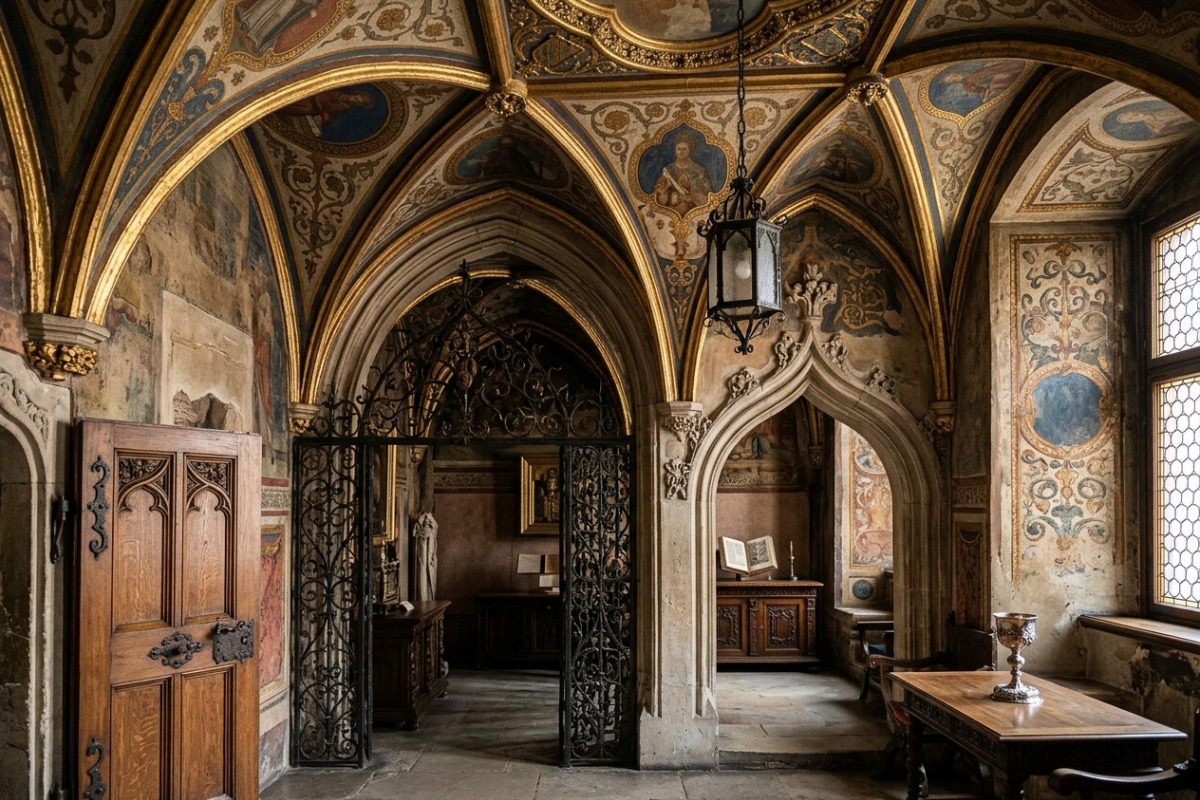
Every era left its mark on Wawel Hill from Gothic chapels and Renaissance palaces to symbols of modern restoration. Walking through its courtyards feels like turning the pages of Poland’s history book. Wawel stands not only as a monument of stone and art but also as a living expression of the nation’s resilience and identity.
Exploring Wawel Hill through the ages offers a journey across time from ancient tribes and medieval monarchs to the modern Polish state, all bound together on one legendary hill.