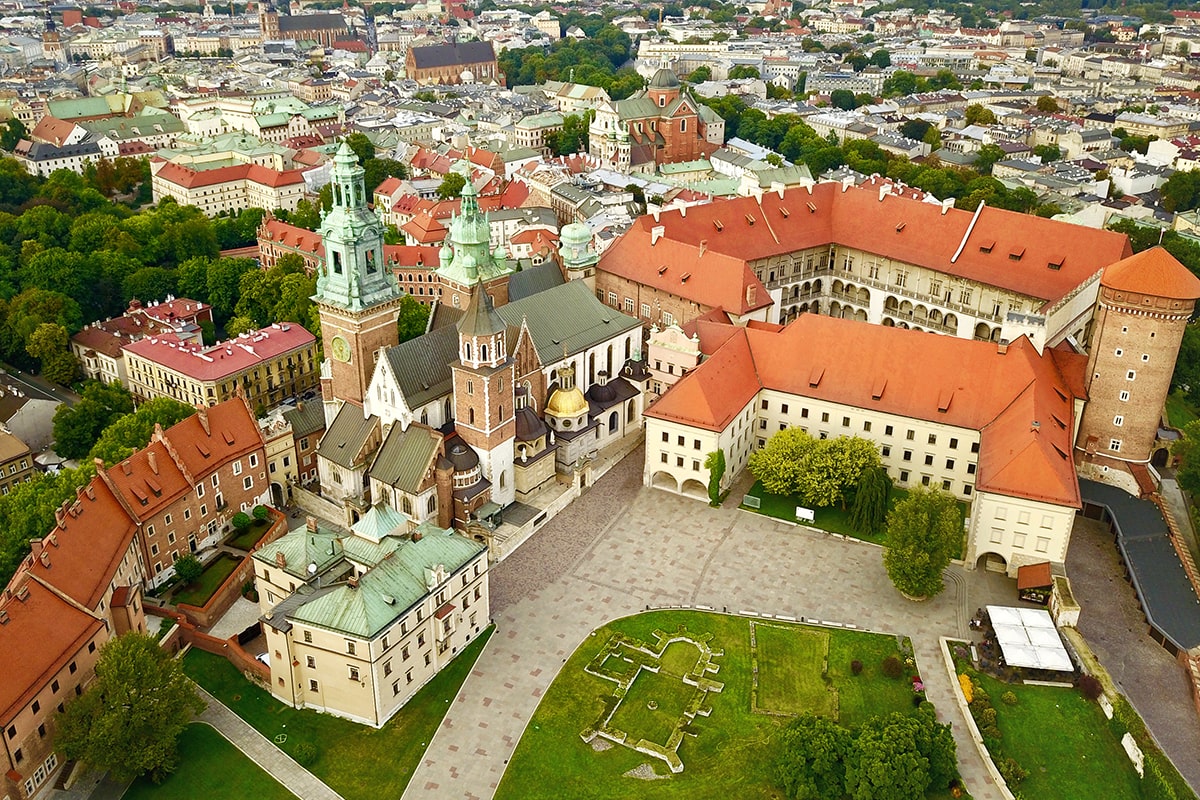
Wawel Castle is one of Poland’s most visited landmarks, drawing millions of guests every year including families, seniors, and visitors with disabilities. The castle sits on a steep limestone hill, but careful planning and awareness of available facilities can make your experience smooth and enjoyable. Here’s a detailed guide to exploring the castle grounds, exhibitions, and cathedral while considering accessibility and family needs.
Access to the Castle Grounds
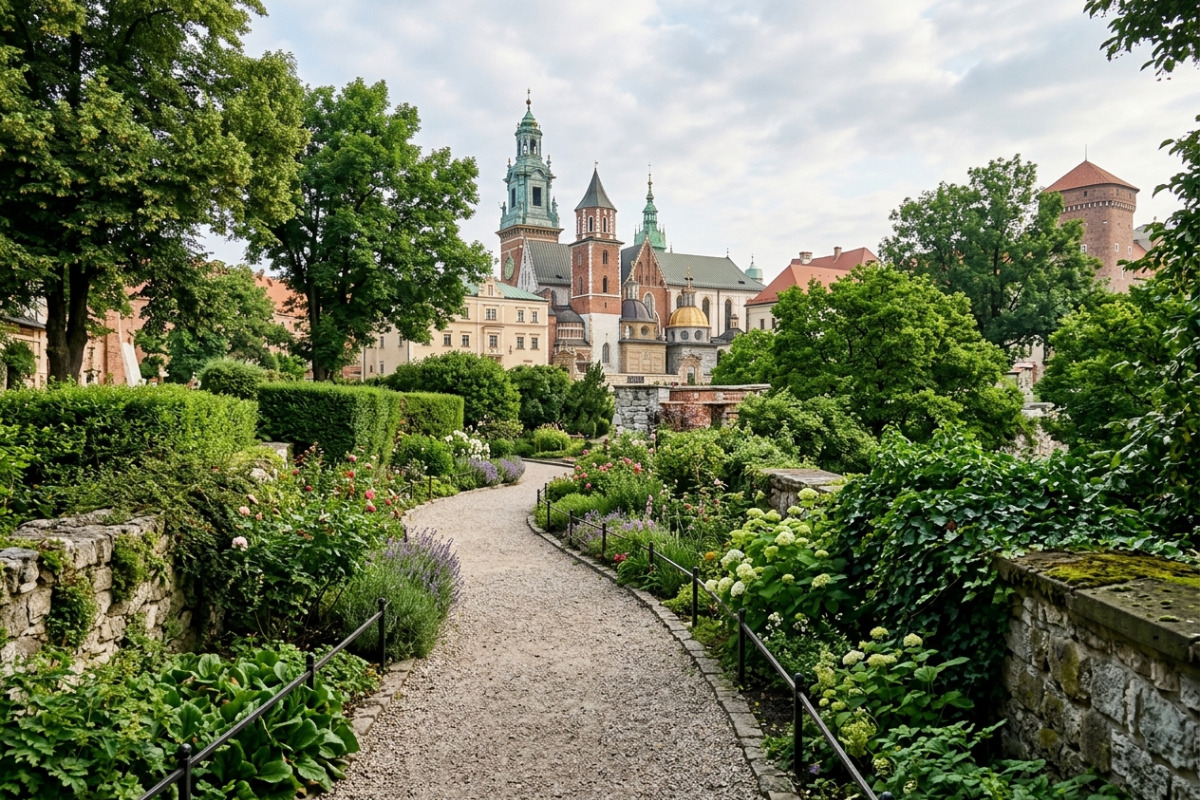
The paths leading to Wawel Hill are paved but moderately steep. Visitors using wheelchairs or strollers should enter via the Herbowa Gate (Heraldic Gate), which offers the smoothest gradient and widest entry. Once inside, most outdoor courtyards are accessible, though some cobblestoned sections can be uneven.
- Best Entrance: Herbowa Gate, near Kanonicza Street.
- Surface: Stone and cobblestone, use caution on rainy days.
- Seating: Benches are available near gardens and viewing terraces.
Exhibitions and Museum Areas
Wawel Castle’s exhibitions are housed in historic structures, and while restoration efforts have improved accessibility, some areas remain challenging. Elevators are available in selected wings, and staff can assist with portable ramps when needed. It’s best to inform the ticket office upon arrival if you or a companion requires mobility support.
| Exhibition | Accessibility Level |
| State Rooms | Partially accessible; entrance ramp and wide corridors available. |
| Royal Private Apartments | Limited access due to staircases; assistance required. |
| Crown Treasury & Armory | Accessible via lift; staff assistance recommended. |
| Wawel Cathedral | Ground floor accessible; crypts and tower not suitable for wheelchairs. |
Facilities for Families with Children
Families visiting with children will find Wawel Castle both educational and entertaining. The wide courtyards are ideal for strollers, and there are child-friendly exhibits and rest areas.
- Baby changing areas: Available near the visitor center and restrooms.
- Stroller access: Allowed in outdoor areas and most exhibition entrances.
- Interactive exhibits: Some guided tours include storytelling sessions for kids.
- Cafés and rest spots: Located near the castle entrance and viewing terraces.
Tips for a Comfortable Visit
- Plan your route: Check maps at the entrance to identify step-free paths and ramps.
- Visit early: Mornings are less crowded and more convenient for navigating with strollers or mobility aids.
- Ask for assistance: The staff is helpful and trained to support visitors with special needs.
- Book in advance: When purchasing tickets online, note accessibility requirements so the castle staff can prepare.
Nearby Amenities
Accessible restrooms are available near the visitor center and café. The area around Kanonicza Street also has wheelchair-friendly restaurants. Taxis can drop visitors off directly near the Herbowa Gate entrance, and a designated parking area is available for visitors with disability permits.
Final Thoughts
Although Wawel Castle was built long before modern accessibility standards, ongoing efforts have made it increasingly welcoming to everyone. With some planning and awareness, both families and travelers with mobility limitations can comfortably enjoy this extraordinary landmark where history, architecture, and inclusivity meet on one royal hill.