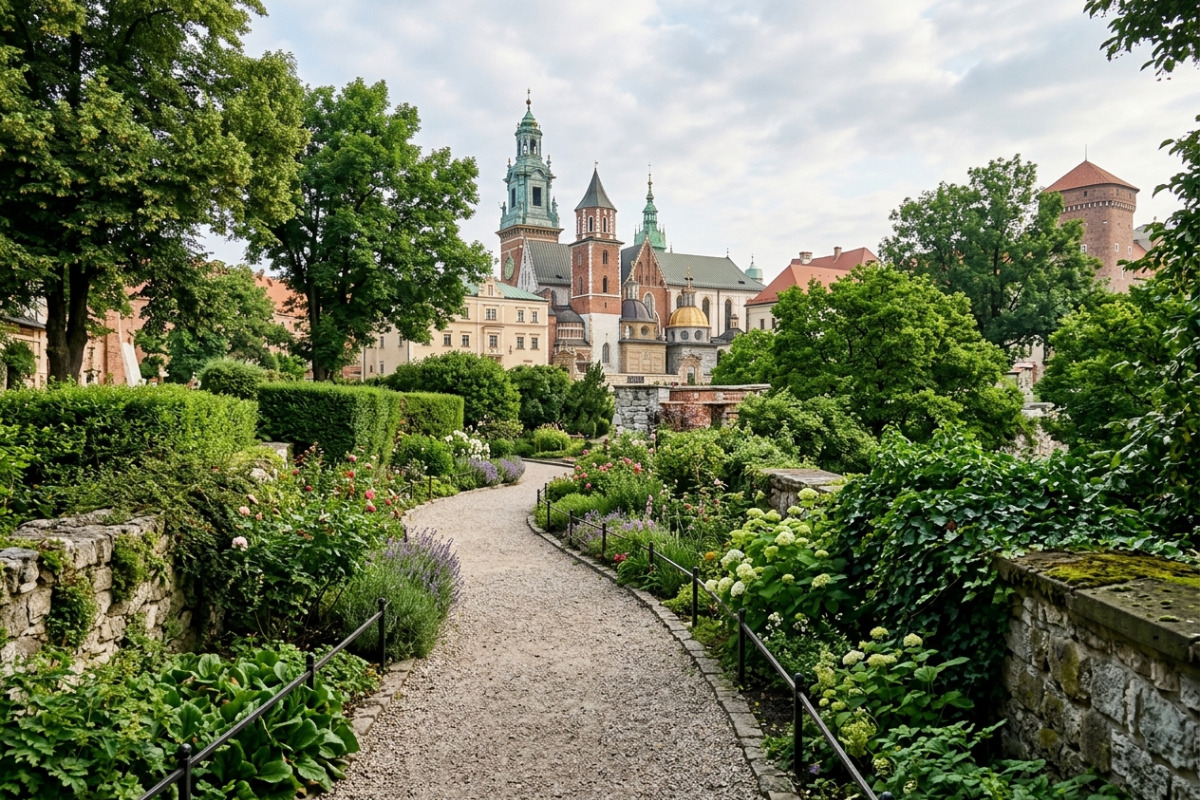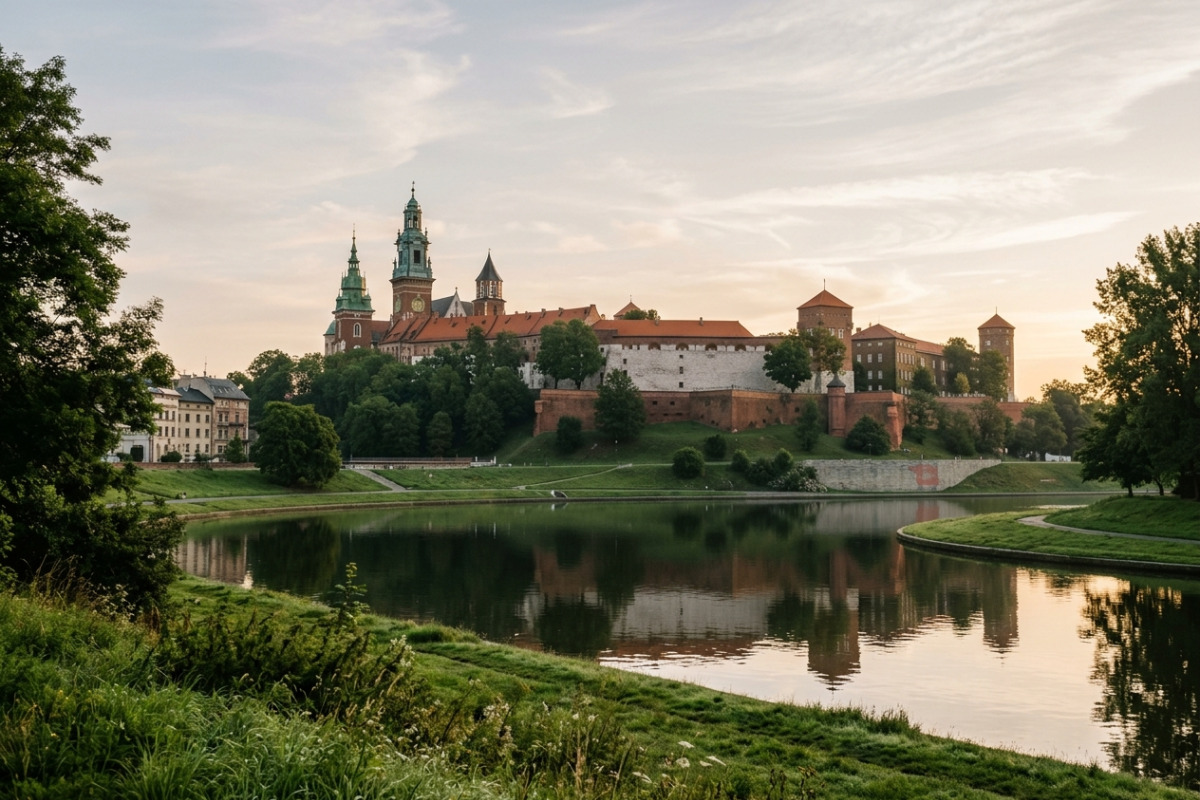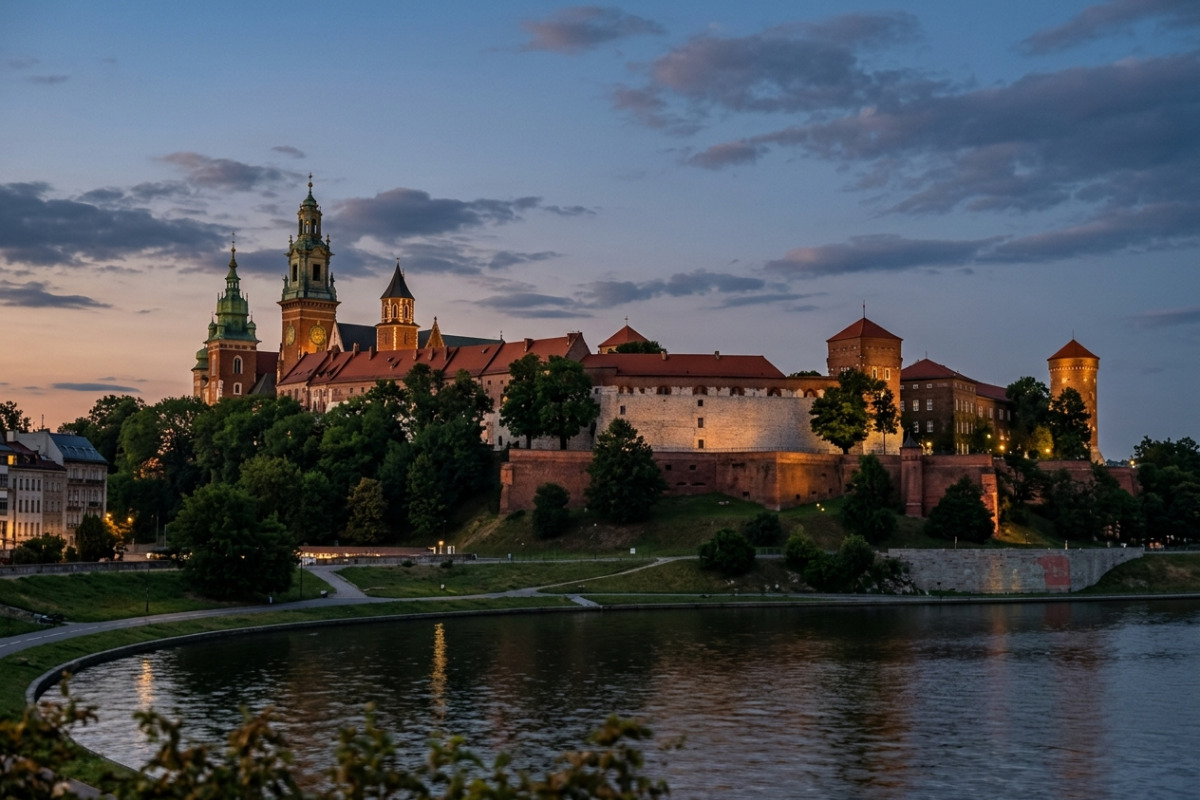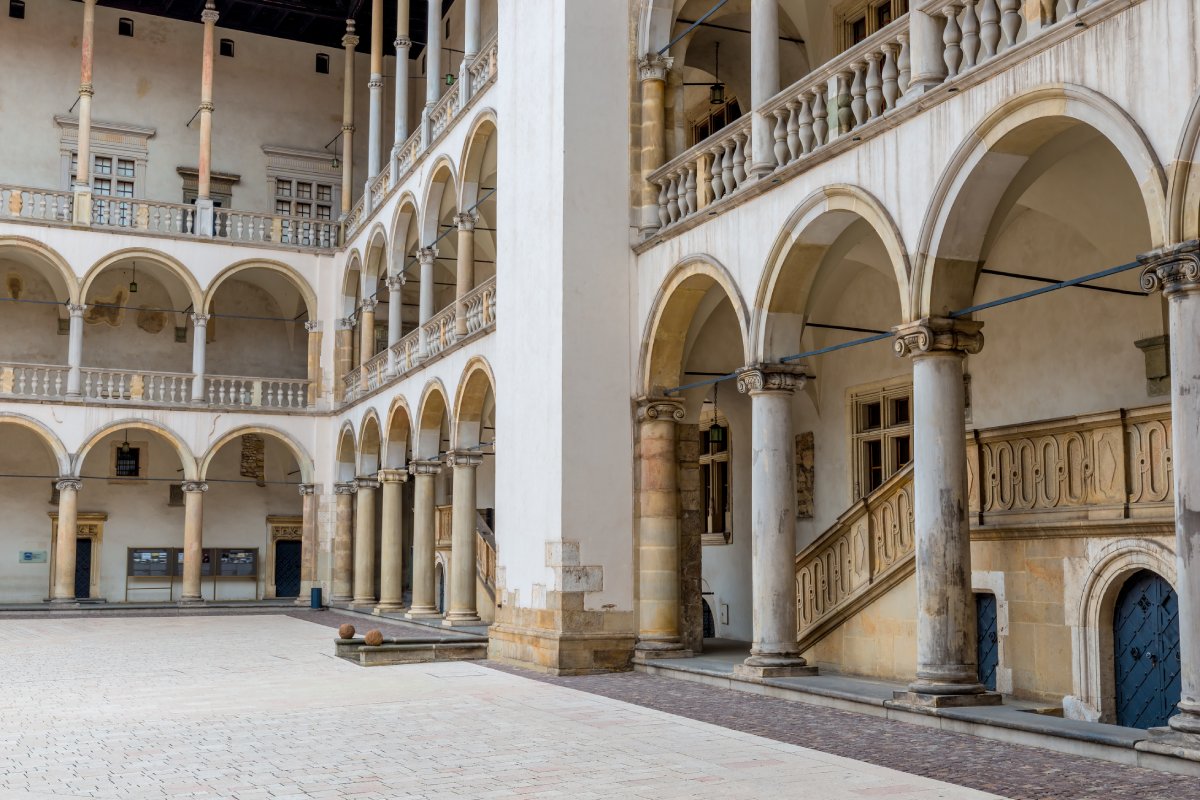
Standing at the foot of Wawel Hill, looking up at the architectural marvel that has watched over Krakow for centuries, you can feel the weight of history. It is an exhilarating feeling, but for many travelers, that excitement hits a slight speed bump once they reach the ticket office. Unlike many other European museums that offer a single "all-access" pass, Wawel Castle operates on a system where different exhibitions often require separate tickets. This can be incredibly confusing, especially when you are trying to maximize your time in this beautiful city.
You might find yourself asking: Should I prioritize the grandeur of the State Rooms, or is the intimate setting of the Private Apartments more my style? Is the Crown Treasury worth the extra time, or should I skip straight to the Dragon's Den? Making the right choice depends entirely on what fascinates you most about Polish history and culture. To help you navigate these choices without the stress, we have put together a detailed breakdown of the castle's primary sections. Whether you are an art aficionado, a military history buff, or a family looking for the highlights, understanding these differences is key to a memorable visit.
Navigating the Ticket Puzzle
Before diving into the specific rooms, it is essential to understand why the castle is set up this way. Wawel is a massive complex, and the collections are vast enough that seeing everything in one go can result in serious museum fatigue. By splitting the castle into distinct sections, the curators allow visitors to curate their own experience. However, this also means that tickets for popular sections can sell out individually, sometimes weeks in advance.
Because of this fragmented system, showing up without a plan is a risky move. You might arrive hoping to see the famous tapestries, only to find that the State Rooms are fully booked for the day, leaving you only with access to the outer courtyards. Therefore, the first step in your journey is deciding which narratives you want to explore and securing your Book Now options online to guarantee entry. Let’s explore what lies behind each set of heavy wooden doors.
The State Rooms: Grandeur and Official History
If you only have time for one exhibition and you want to understand the sheer power of the Polish monarchy, the State Rooms are your best bet. Located on the ground and second floors of the castle, these rooms were the official backdrop for royal ceremonies, senate meetings, and grand receptions. Walking through these halls is like stepping onto a movie set designed to impress foreign dignitaries and assert royal authority.
The architecture here retains much of its original Renaissance character, featuring stunning wooden coffered ceilings and intricate friezes. As you move from the Governor’s Parlour to the Senate Hall, the scale of the rooms increases, designed to make you feel small in the presence of kings. This tour is generally self-guided, allowing you to move at your own pace, though audio guides are highly recommended to understand the context of the art surrounding you.
Highlights of the State Rooms
- The Envoys’ Room (Poselska): This is arguably the most famous room in the castle, known for its ceiling adorned with 30 carved wooden human heads looking down at you. These "Wawel Heads" are a unique masterpiece of Renaissance woodcarving, representing various layers of society from the 16th century.
- The Jagiellonian Tapestries: King Sigismund Augustus commissioned this massive collection in the mid-16th century. Woven in Brussels, these tapestries are not just rugs on the wall; they are colossal works of art depicting biblical scenes, grotesques, and royal coats of arms, covering almost every inch of available wall space.
- The Planet Room: Named after the friezes depicting the planets, this room served as a antechamber and is a brilliant example of how art was used to convey the king's connection to the cosmos and divine order.
Royal Private Apartments: An Intimate Glimpse
While the State Rooms shout about power and politics, the Royal Private Apartments whisper stories of daily life. These rooms were the actual living quarters of the Polish kings and their families. Visiting this section offers a more human perspective on history, showing you where the monarchs slept, prayed, and entertained their closest guests. The atmosphere here is quieter, the rooms are smaller, and the furnishings feel more personal.
It is important to note that visiting the Private Apartments often requires joining a guided tour, although rules can vary by season. This makes the experience much more educational, as guides can share anecdotes about the personalities of the kings and queens who lived here. You will see exquisite Italian furniture, silverware, and paintings that reflect the personal tastes of the rulers rather than just state propaganda. If you enjoy "behind-the-scenes" tours or have a keen interest in interior design and social history, this section is indispensable.
Crown Treasury and Armory: Power and Military Might
For those who prefer cold steel and glittering gold over paintings and upholstery, the Crown Treasury and Armory is the definitive choice. Located on the ground floor, this exhibition houses the tangible symbols of Polish sovereignty and military prowess. It is a darker, more atmospheric experience, where spotlit display cases reveal items of immense value and historical significance.
The Treasury displays what remains of the royal insignia (much was looted during various wars over the centuries), while the Armory showcases the evolution of warfare in Eastern Europe. This section is particularly fascinating because it highlights Poland's unique geographical position as a bridge between the East and West, reflected in the style of weapons and armor on display.
What You Will See
- Szczerbiec (The Coronation Sword): This is the crown jewel of the collection. As the only preserved part of the medieval Polish crown jewels, this jagged sword was used in coronation ceremonies from 1320 to 1764. It is a sacred relic of Polish statehood.
- Winged Hussar Armor: No visit to a Polish military museum is complete without seeing the iconic armor of the Hussars. These elite cavalrymen were famous for the large wooden "wings" attached to their backs, which made a terrifying noise during a charge.
- Oriental Art and Trophies: Following King John III Sobieski’s victory at the Battle of Vienna, the castle’s collection was enriched with Ottoman tents, banners, and weapons, showcasing the cross-cultural exchanges of the era.
Quick Comparison: Which Ticket is For You?
To help you visualize the differences and make a quick decision, we have compiled the key features of each section in the table below. This can help you mix and match based on your group's interests and available time.
| Exhibition | Best For | Key Highlights | Avg. Time Needed |
| State Rooms | First-time visitors, Art lovers | Jagiellonian Tapestries, Envoys’ Room (Heads) | 45-60 Minutes |
| Private Apartments | History buffs, Interior design fans | Renaissance furniture, intimate stories, guided tours | 50-60 Minutes |
| Treasury & Armory | Military enthusiasts, Kids/Teens | Szczerbiec Sword, Hussar Armor, Jewelry | 30-45 Minutes |
Planning Your Itinerary
Can you see them all? Absolutely, but it requires stamina and strategic planning. A full tour of all three sections will take roughly three to four hours, not including breaks or walking around the exterior courtyards. If you are visiting during the peak summer months or around major holidays like December, the crowds can be dense, and mental fatigue sets in faster than you might expect.
A popular strategy is to combine the State Rooms with the Treasury and Armory for a balanced mix of art and artifacts. This combination gives you the grandeur of the palace and the excitement of the military exhibits. If you prefer a deeper dive into history, combining the State Rooms with the Private Apartments provides a complete picture of royal life, from the public face to the private reality. Whichever combination you choose, ensure you check the Visiting Information page for current opening hours, as they can change seasonally.
❗❗ DON'T MISS OUT! ❗❗
Tickets for Wawel Castle sell out incredibly fast, especially for the State Rooms and Private Apartments. Do not risk standing in long lines only to find out your preferred section is full.
Practical Tips for a Smooth Visit
Once you have decided on your sections, there are a few logistical details to keep in mind to ensure your visit goes smoothly. First, large bags and backpacks are generally not allowed in the exhibition rooms. There are luggage lockers available, but they can fill up quickly. It is best to travel light. You can find more details on restricted items in the FAQ section.
Photography is typically allowed in the State Rooms and Treasury (without flash), but restrictions often apply in the Private Apartments or during temporary exhibitions. Always keep an eye out for signage or ask a guard if you are unsure. Finally, remember that Wawel is located on a hill. There is a bit of a walk up from the street level, so comfortable shoes are non-negotiable, especially if you plan to explore the Dragon's Den or climb the Sandomierz Tower afterwards.
Wawel Castle is more than just a museum; it is the heart of Polish identity. Whether you choose to marvel at the tapestries in the State Rooms, imagine the quiet conversations in the Private Apartments, or gaze at the sharp steel in the Armory, you are connecting with a rich and vibrant history. Choose the experience that speaks to you, book your tickets early, and prepare to be transported back in time.