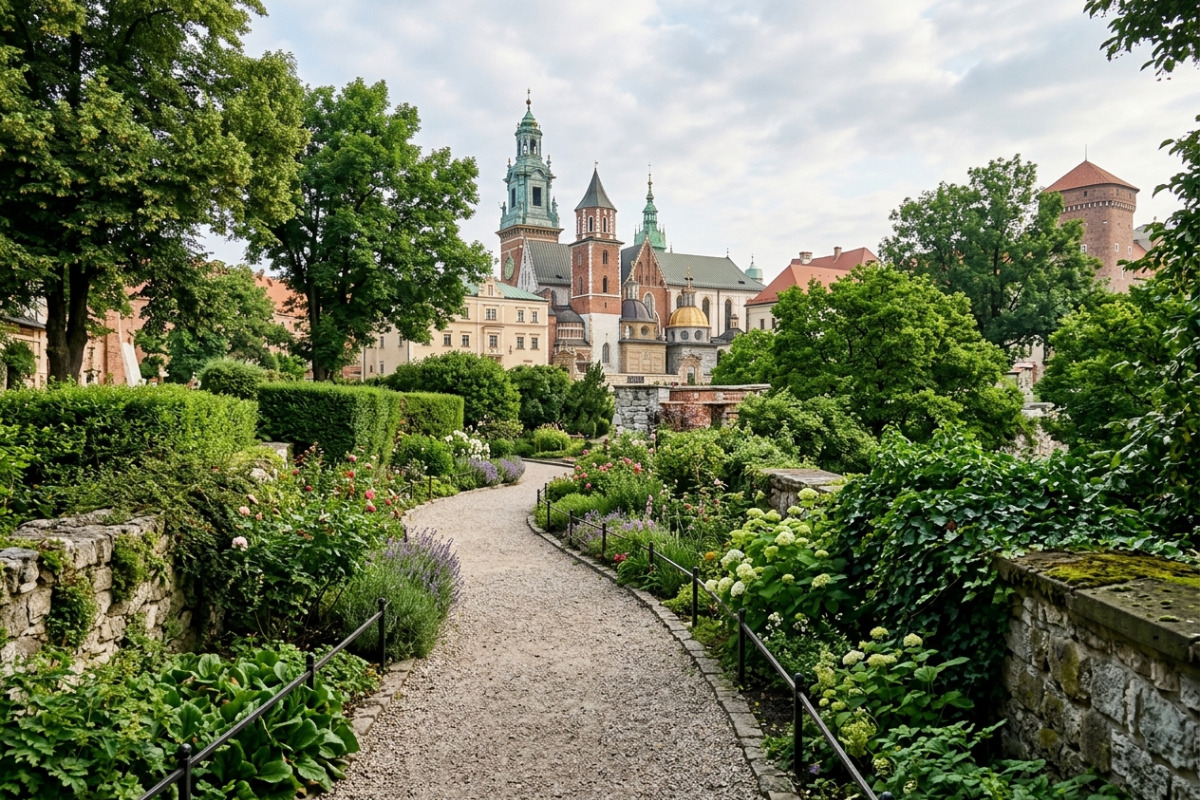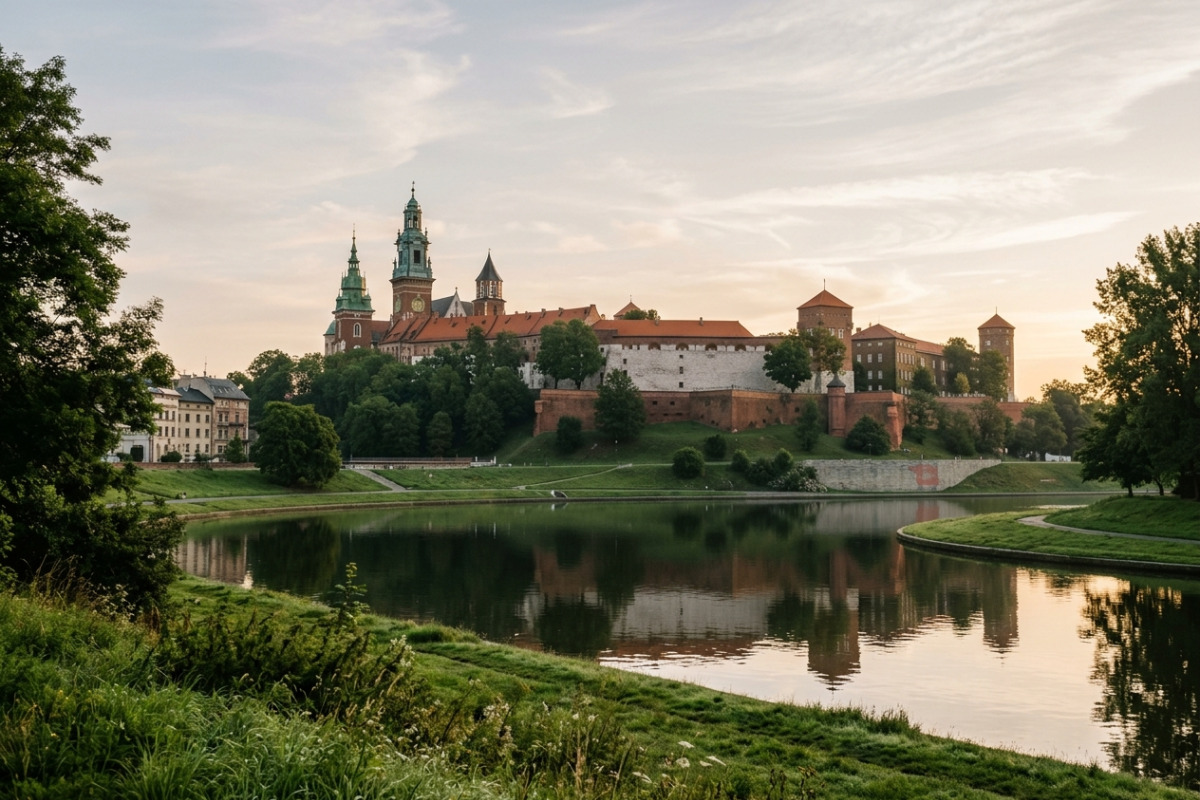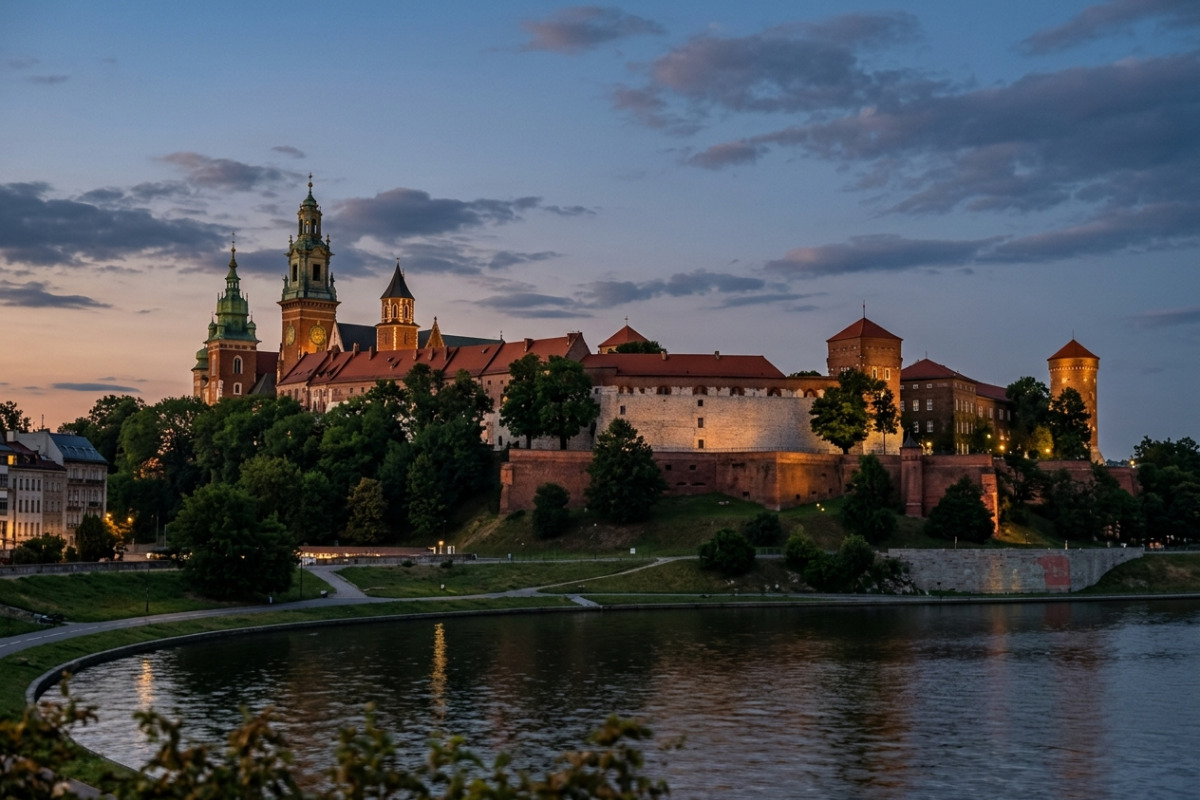
When you step onto the cobblestones of Wawel Hill, you are doing more than just visiting a museum or a royal residence; you are entering a realm where history is inextricably riven with folklore. While the grand tapestries and golden domes speak of Poland’s royal past, the shadows of the castle walls whisper stories that are far more ancient and mysterious. For centuries, poets, travelers, and kings have been captivated by the unique energy of this place, which serves as the spiritual heart of Krakow. Whether you are visiting in the crisp air of December 2025 or planning a future summer getaway, the magic of Wawel remains constant, inviting you to look closer at what lies beneath the surface.
Most guidebooks will tell you about the coronation of kings and the architectural styles of the Renaissance courtyard, but to truly understand the soul of Krakow, you must delve into its myths. There is a palpable sense of wonder here, a feeling that magic is not just a fairy tale but a part of the city's foundation. Before you check the visiting information to plan your route, take a moment to learn about the legends that make this hill one of the most fascinating spots in Europe. From a voracious dragon to a cosmic energy source, here is your guide to the mysteries of Wawel.
The Lair of the Beast: The Legend of Smok Wawelski
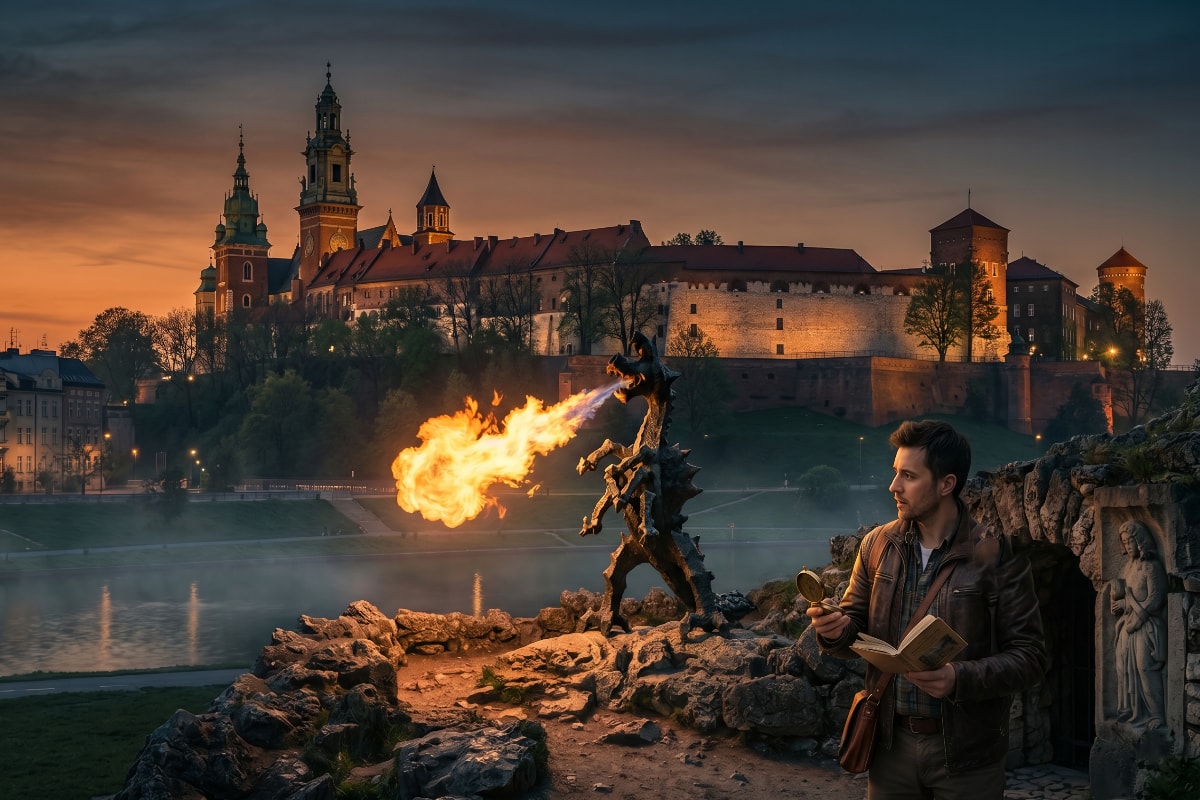
No story of Krakow is complete without the tale of the Wawel Dragon, or Smok Wawelski. According to ancient folklore, long before the first brick of the castle was laid, a terrifying dragon lived in a cave at the foot of Wawel Hill. This was no ordinary beast; it terrorized the local villagers, devouring their livestock and, in some darker versions of the tale, demanding the sacrifice of young maidens. The town lived in fear, and King Krakus, the legendary founder of the city, was desperate to save his people from the monster's insatiable hunger.
Many knights tried to slay the beast with swords and arrows, only to meet a fiery end. It wasn't brute force that eventually defeated the dragon, but cunning intellect. A humble shoemaker named Skuba devised a plan that remains a favorite bedtime story for Polish children today. He took a sheepskin, filled it with sulfur and tar, and sewed it back up to look like a plump, juicy sheep. He left this "gift" outside the dragon's cave. The beast, unable to resist an easy meal, swallowed the bait whole. The sulfur ignited a burning thirst within the dragon, causing it to drink half of the Vistula River until it exploded with a mighty roar.
Visiting the Dragon’s Den Today
Today, the legend is very much alive. You can actually descend into the limestone caves beneath the castle, known as the Dragon’s Den. It is one of the most thrilling sections of the Wawel complex, especially for families and those with a taste for adventure. The route leads you down a spiral staircase and through cool, dimly lit chambers that exit onto the riverbank. There, you are greeted by a bronze statue of the dragon that actually breathes fire every few minutes—a perfect photo opportunity that brings the myth to life.
The Wawel Chakra: A Source of Cosmic Energy
While the dragon represents the physical dangers of the past, the Wawel Chakra represents a spiritual mystery that attracts esoteric seekers from around the globe. Legend has it that Wawel Hill is one of the world’s seven main centers of spiritual energy, often compared to sites like Delphi in Greece or Jerusalem. Believers claim that the hill sits atop a powerful chakra stone that emanates a strong, positive energy, capable of healing and bringing inner peace to those who stand near it.
The specific location of this energy point is believed to be in the courtyard, specifically near the wall of the non-existent St. Gereon’s Chapel, which is located in the west wing of the Royal Castle. For decades, it was common to see tourists and locals alike leaning their backs against the castle wall in this specific corner, closing their eyes to absorb the "terrestrial radiation." Although the museum administration does not officially endorse the chakra theory and has at times tried to discourage the practice to protect the historic walls, the legend persists with remarkable tenacity.
Whether you believe in geomancy and ley lines or not, there is no denying the peaceful atmosphere of the Renaissance courtyard. It is a place that invites reflection. Many visitors report feeling a sudden sense of calm or a tingling sensation when standing near the site. It adds a layer of intrigue to the castle tour, transforming a simple architectural viewing into a potential spiritual experience.
Whispers in the Walls: The Envoys’ Room and the Talking Head
Inside the castle, the mysteries continue within the lavish state rooms. One of the most spectacular interiors is the Envoys’ Room (Poselska), famous for its coffered ceiling adorned with wooden carved heads looking down at the visitors. Originally, there were 194 heads representing various members of society, from royalty to commoners, though only 30 remain today. They are masterpieces of woodcarving, but one head in particular carries a strange and cautionary legend.
The story goes that King Sigismund August was once sitting in judgment in this very room. He was struggling to make a difficult decision regarding a court case. Suddenly, one of the wooden heads on the ceiling came to life and spoke, offering the King the correct verdict but warning him to be just. However, the head spoke out of turn or perhaps said something the King did not wish to hear in front of his court. To silence the magical interference, the King ordered the head to be gagged. If you look closely at the surviving heads today, you will find one with a cloth over its mouth—a silent witness to the legend of the talking ceiling.
The Bones of the Giant: A Prophecy of Doom
Before you even enter the cathedral, look up to the left of the main entrance. Hanging on heavy iron chains are massive, prehistoric bones. For centuries, people believed these were the bones of the Wawel Dragon itself, displayed as a trophy of the beast's defeat. Modern science has identified them as the fossilized remains of a mammoth, a woolly rhinoceros, and a whale, but their presence is no less magical.
There is a dire prophecy attached to these bones. It is said that they protect the city of Krakow. The legend warns that if the chains ever break and the bones fall to the ground, the Wawel Cathedral will collapse, and the end of the world will follow shortly after. This apocalyptic myth adds a heavy weight to these artifacts, making them more than just curiosities of a natural history collection; they are the mystical guardians of the hill.
The Bell of Sigismund: A Royal Requiem
Beyond the dragon's lair and the whispering walls, another layer of mystique shrouds the Wawel Cathedral itself. Here, the Sigismund Bell, one of Poland's largest bells, resides in the Sigismund Tower. Cast in 1520, this colossal bell is only rung on special occasions, primarily religious holidays and significant national events. Legend has it that when the bell tolls, its deep, resonant sound carries not just across Krakow, but also through the veil of time, echoing the voices of past kings and queens. Some say that if you listen closely, you can hear the faint whispers of royal pronouncements and the solemn prayers of bygone eras mingling with the bell's majestic peal. The bell is said to bring good fortune to those who touch it, but only if they do so with reverence and a pure heart.
Planning Your Mystical Journey
Exploring Wawel is an adventure that requires a bit of planning, especially if you want to see both the standard historical sites and these hidden gems. The castle is a large complex with various ticketed areas. To ensure you don't miss out on the Dragon's Den or the State Rooms with the Envoys' heads, it is highly recommended to book your entry in advance, as queues can be long, even in the winter months.
| Feature | History Tour Highlights | Legends & Mysteries Highlights |
| Main Attraction | Royal State Rooms, Crown Treasury | Dragon's Den, The Chakra Point |
| Key Artifacts | Szczerbiec (Coronation Sword) | The Gagged Head, Hanging Bones |
| Atmosphere | Regal, Educational, Grand | Eerie, Spiritual, Adventurous |
| Best For | History buffs, Art lovers | Families, Esoteric seekers, Storytellers |
When planning your visit, remember to wear comfortable shoes. The walk up the hill and the stairs down to the dragon's cave can be steep. Also, check the FAQ section for current opening hours, as the Dragon's Den operates seasonally and may have different hours compared to the main museum exhibitions.
Conclusion: A Place Where Stories Live
Wawel Hill is more than a collection of buildings; it is a living storybook. Every stone, every corner, and every shadow has a tale to tell. Whether you are drawn by the fiery legend of the dragon, the silent wisdom of the wooden heads, the cosmic pull of the chakra, or the resonant echoes of the Sigismund Bell, a visit here promises to ignite your imagination. These myths and mysteries are the threads that weave the rich tapestry of Krakow’s identity, making it a destination that touches the soul as much as it pleases the eye.
So, when you walk through the gates, keep your eyes open and your mind curious. You are walking in the footsteps of kings, sorcerers, and legends. Make sure to secure your spot in this magical journey by visiting the tickets page and preparing for an experience you will never forget.