Wawel Castle is not only a majestic architectural marvel but also a living testament to Poland's rich history. Over centuries, this iconic structure has witnessed the rise and fall of nations, adapting and evolving with each passing era. Understanding the evolution of Wawel Castle provides invaluable insight into Poland's cultural and political landscape.
The Origins of Wawel Castle
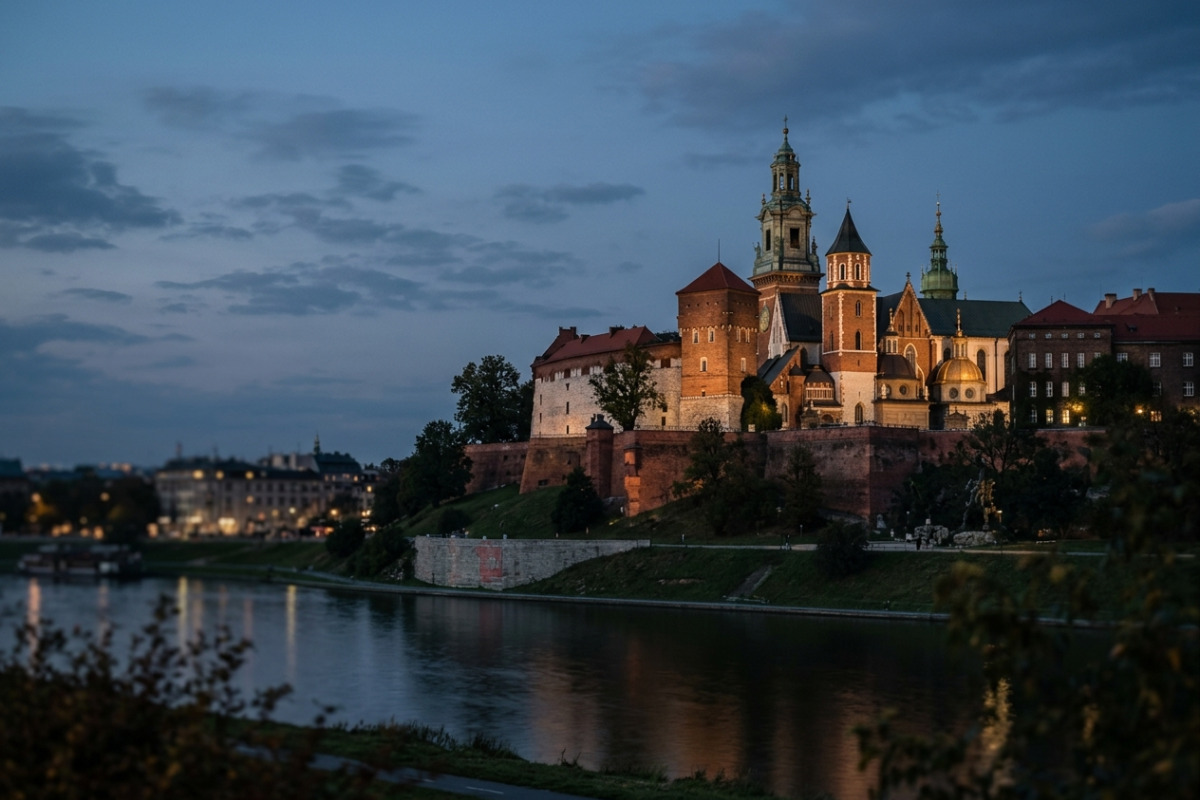
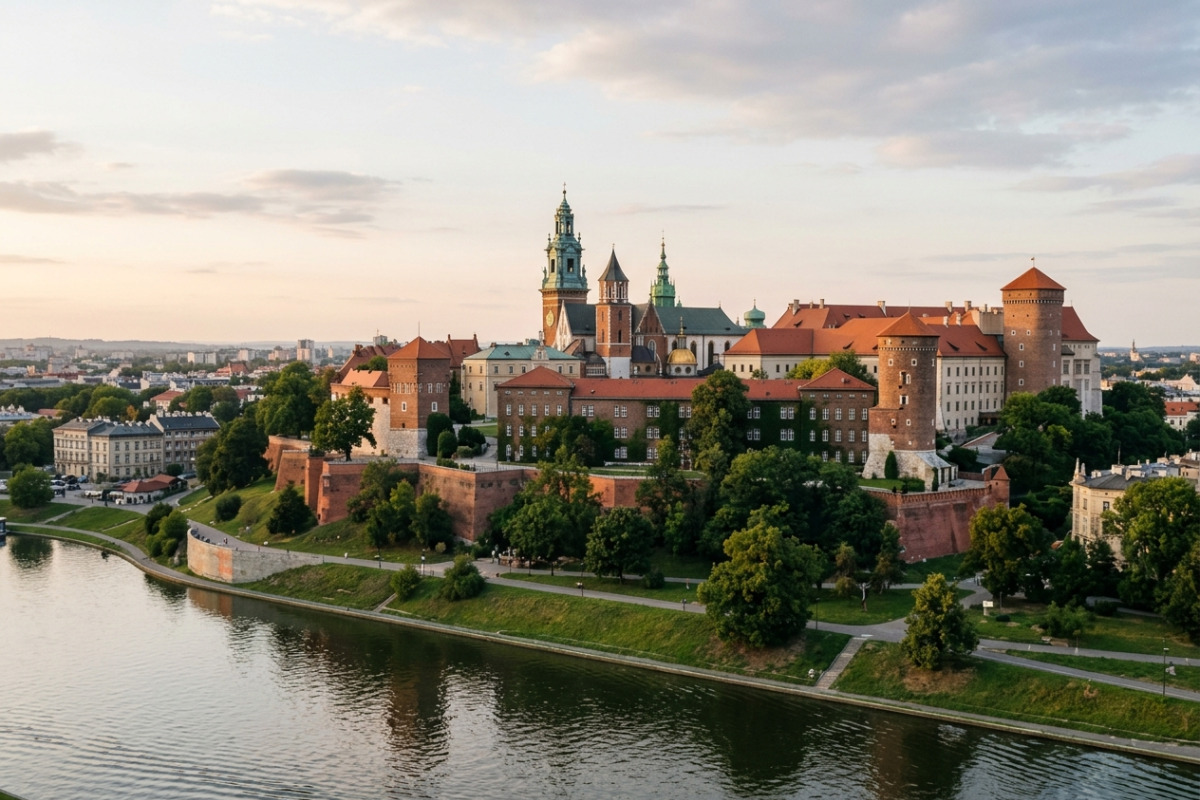
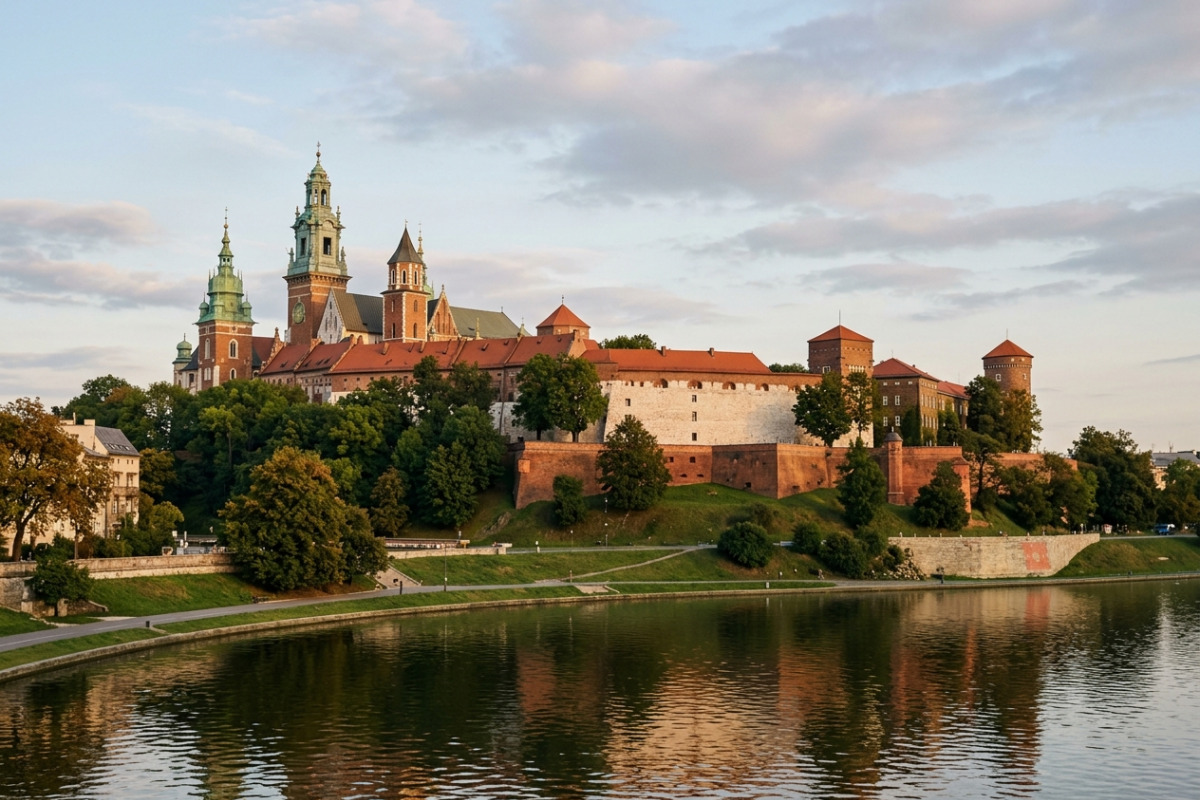
The history of Wawel Castle dates back to the late 11th century, originally built as a residence for Polish kings. It was strategically located on Wawel Hill, overlooking the Vistula River, which served both defensive and aesthetic purposes. The castle's initial Romanesque architecture reflected the style of the time, characterized by thick walls and small windows that emphasized security over comfort.
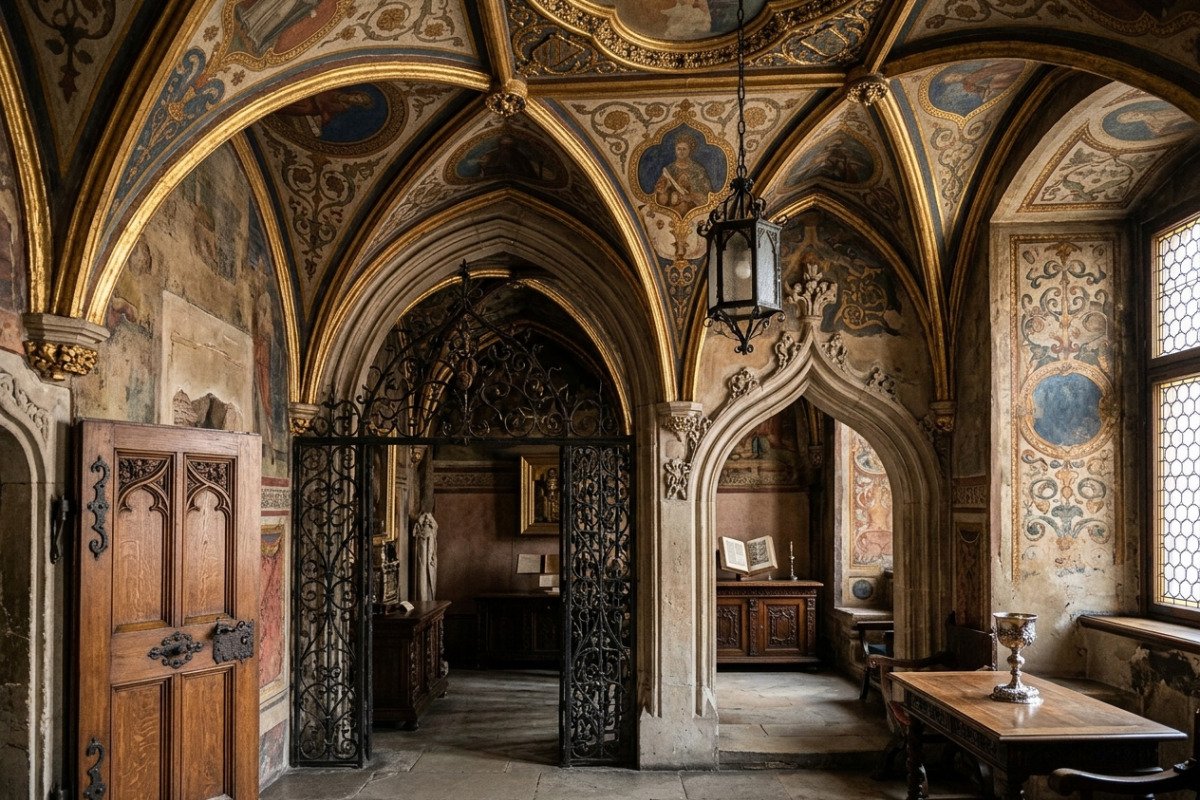
As the years progressed, the castle underwent numerous renovations and expansions, reflecting the changing tastes and needs of its royal occupants. The transition from Romanesque to Gothic architecture marked a significant phase in the castle's evolution, introducing elements such as pointed arches and ribbed vaults. These architectural advancements not only enhanced the castle's aesthetic appeal but also improved its structural integrity.
The Renaissance Transformation
During the Renaissance in the 16th century, Wawel Castle experienced a significant transformation that would define its character for centuries to come. Under the reign of King Sigismund I, the castle was redesigned to embody Renaissance ideals, which emphasized symmetry, proportion, and harmony. The addition of the magnificent Sigismund Chapel exemplifies this shift, showcasing intricate decorations and stunning artworks that celebrate the era's artistic achievements.
This period also marked the expansion of the castle's grounds, with beautifully landscaped gardens that provided a serene retreat for the royal family. The harmonious blend of architecture and nature at Wawel Castle during this time became a model for future royal residences across Europe.
Baroque and Beyond
The Baroque era brought further enhancements to Wawel Castle, characterized by opulent designs and grandiose interiors. The castle's living quarters were adorned with lavish furnishings and intricate decorations, reflecting the wealth and power of the Polish monarchy. However, the castle's history is not solely defined by opulence; it also endured significant challenges, including invasions and fires that necessitated repairs and rebuilding.
Despite these challenges, the castle stood resilient, evolving with each restoration effort. The 19th century saw a renewed interest in Poland's heritage, leading to extensive conservation work that aimed to preserve the castle's historical integrity while adapting it for modern use.
Modern Times and Preservation Efforts
In contemporary times, Wawel Castle serves as a cultural hub, attracting millions of visitors each year. Its role has shifted from a royal residence to a museum that showcases Poland's rich history and artistic heritage. The preservation of the castle is a testament to the importance of maintaining historical landmarks for future generations.
Efforts to preserve Wawel Castle include ongoing restoration projects and educational programs that aim to engage visitors with its history. If you're planning to explore this magnificent site, consider buying tickets in advance to enhance your experience.
Conclusion: A Living Legacy
The evolution of Wawel Castle is a remarkable journey through time, reflecting the resilience and adaptability of Polish culture. Its architectural transformations tell the story of a nation that has faced numerous trials yet continues to thrive. To fully appreciate the beauty and history of Wawel Castle, make sure to visit the Visiting Information page for all the details you need for a smooth visit.